
uBlock Origin vs Edge: When the block stops working
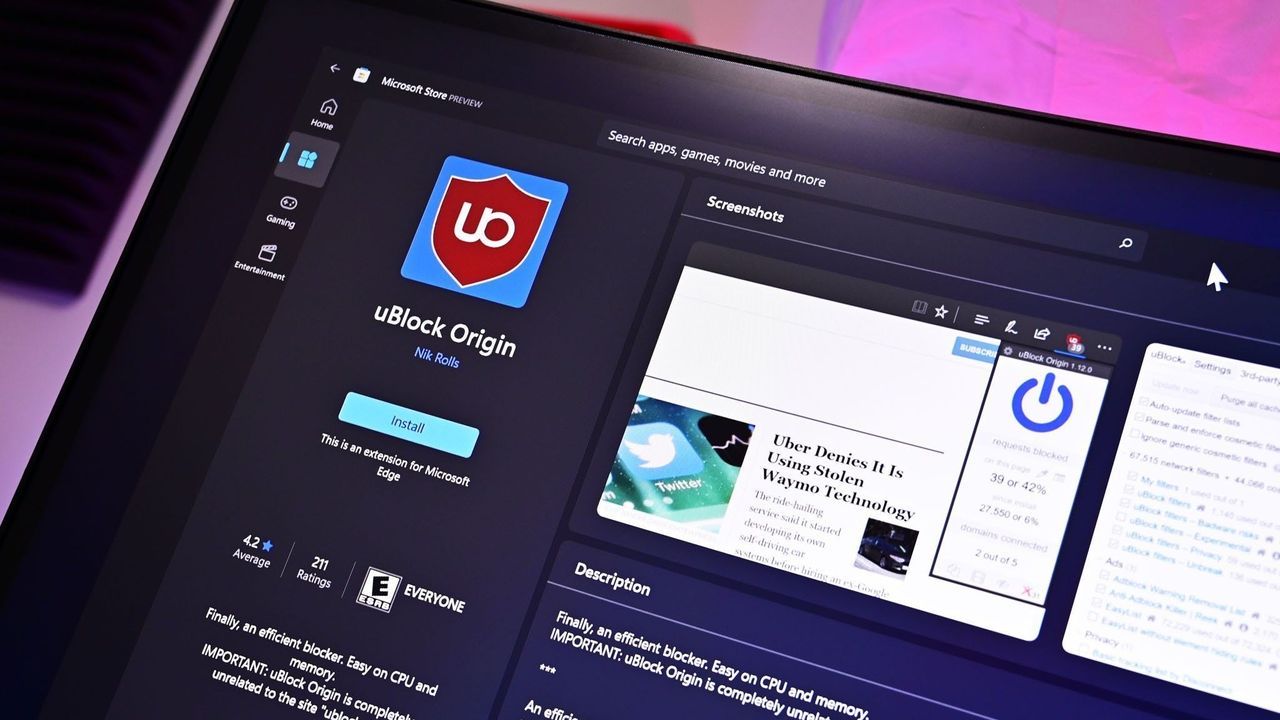
The world of browser extensions is undergoing a seismic shift, driven by a necessary evolution in web technology. If you rely on powerful ad blockers like uBlock Origin on Microsoft Edge, it’s time to understand what this transition means for your digital toolkit.
Microsoft has officially shared a timeline for moving the extension ecosystem away from Manifest Version 2 (MV2) to the newer Manifest Version 3 (MV3). This isn’t just a technical update; it represents a fundamental change in how browser extensions interact with web content, aiming for greater security and performance across the board.
The inevitable conclusion of this upgrade is that support for MV2 extensions, including uBlock Origin on Edge, will be phased out. Microsoft is targeting the full transition for consumers by the end of 2026, with enterprise users seeing their migration complete by 2027. While some might view this as an inconvenience, behind the scenes, there are compelling technical reasons for the change.
At the heart of the shift lies a limitation in the older MV2 system. The move to MV3 addresses this by restricting access to certain APIs, such as the WebRequest API. This adjustment allows ad blockers to dynamically intercept and block network requests before they even load, offering a more secure and efficient method of filtering content.
Since Edge is built upon Chromium—Google’s open-source engine—this push toward MV3 impacts Microsoft’s browser ecosystem directly. The goal is not just cleaner code, but a system that prioritizes enhanced security and superior performance for all users navigating the web.
The consequences for power users like those who rely on uBlock Origin are notable. While many top extensions have already made the move to MV3, only a small handful of extensions remain reliant on the older standard. The biggest one affected is uBlock Origin. For those who prefer alternatives, there is an option: uBlock Origin Lite. This version operates differently in the background, focusing on hiding content rather than actively preventing items from loading, which might require some adjustment for power users accustomed to the full suite of controls.
Fortunately, the ecosystem remains resilient. Mozilla Firefox continues to support the necessary technology, ensuring that uBlock Origin can still function effectively for its users. Furthermore, other major players are keeping the extension landscape flexible; Brave has also committed to maintaining compatibility with MV2 extensions.
This transition highlights a common theme in software development: sometimes, a change isn’t about adding new features, but ensuring that the foundational structure is safer and more efficient. As browsers adopt Manifest Version 3, the web extension landscape is evolving, setting a new standard for how we secure and experience our online browsing.
Buy on Amazon
Credit

