
Ukrainian drones decimate US armored brigade in war game
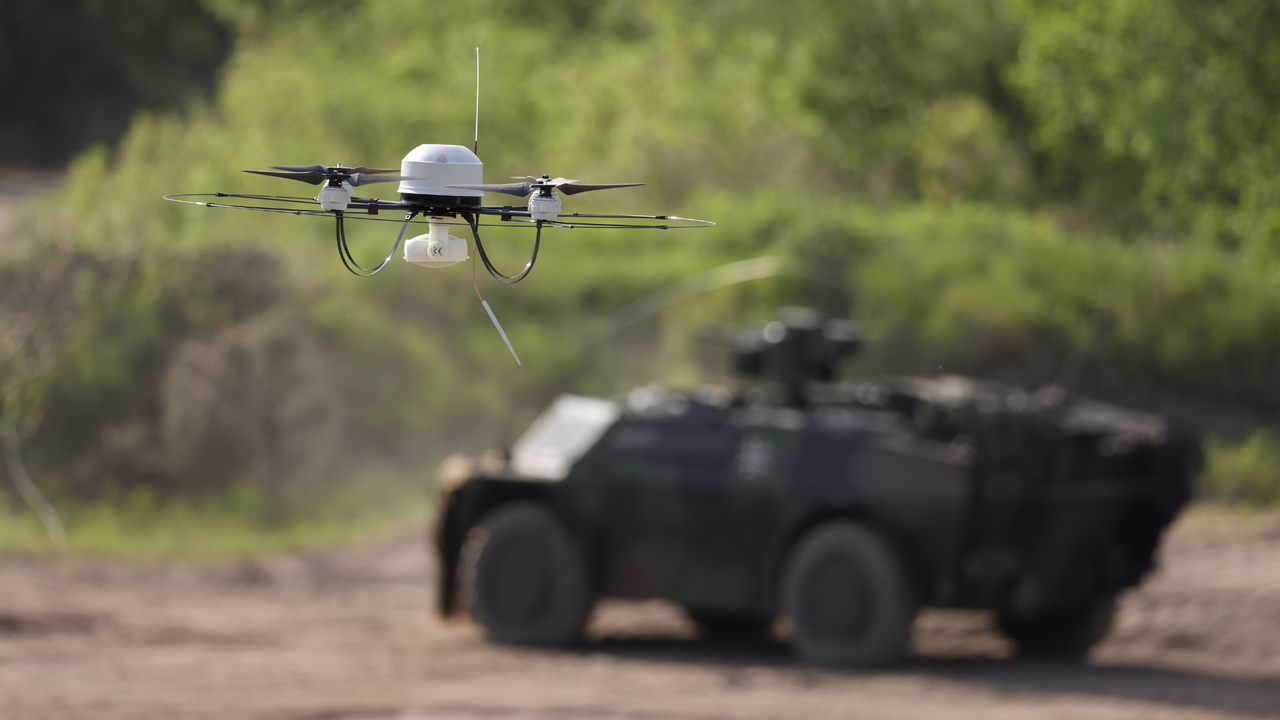
In a recent combined exercise in Germany, the 3rd Brigade Combat Team (3rd BCT) of the 1st Cavalry Division faced an unexpected and formidable opponent: the 412th Unmanned Systems Brigade, better known as 412 Nemesis, an elite multidomain Ukrainian unit specializing in drone warfare. This engagement was a vivid demonstration of how the battlefield is rapidly evolving, pitting traditional armored strength against modern, agile technology.
The 3rd BCT brought significant firepower to the field, equipped with heavy assets like M1 Abrams tanks, M2 and M3 Bradley Fighting Vehicles, and M109 Paladin Howitzers. They were also layered with electronic warfare and counter-drone operators designed to protect them against emerging threats. Yet, despite this impressive armor and defensive measures, the unit found itself unable to fend off the small, nimble drones of 412 Nemesis.
The reality of the confrontation revealed a crucial vulnerability: the biggest assets of heavy vehicles often became their greatest weaknesses. As the armored formations moved across the terrain, they kicked up plumes of dust that provided easy targets for Ukrainian reconnaissance drones. These aerial operators expertly transformed the metal predators into sitting ducks, using loitering attack drones or first-person-view (FPV) systems to strike directly at their targets.
During this exercise, no actual losses were incurred; instead, damaged or destroyed vehicles were marked by hovering attack drones. Once an observer confirmed a strike, the vehicle would “respawn” and continue the simulation, providing a safe yet intense environment for testing new tactics.
This experience highlights a profound shift in military doctrine. While the United States pioneered the use of UAVs for reconnaissance and strikes on the battlefield, Ukraine has mastered short-range drone warfare, utilizing these systems not just tactically on the front lines but also strategically. They have deployed drones to conduct deep strikes, successfully targeting gasoline infrastructure in Siberia, more than 1,500 miles from launch.
The outcome of such exercises underscores a necessary evolution for all forces. While some debate whether drone warfare has made heavy armor obsolete—arguing that mobile warfare still requires combined efforts of tanks and artillery to exploit gaps—many acknowledge that the speed and reach of drones have fundamentally changed maneuver warfare dynamics.
Consequently, units across the defense spectrum are focused on adaptation. Nations are actively developing robust countermeasures to drone threats, exploring systems like high-power microwave technology or man-portable anti-drone lasers. This global race for effective defense is shaping the future equilibrium of conflict, demonstrating that technological innovation is now a critical determinant of military advantage.
Buy on Amazon
Credit