
US imposes 100% tariffs on foreign drones targeting China
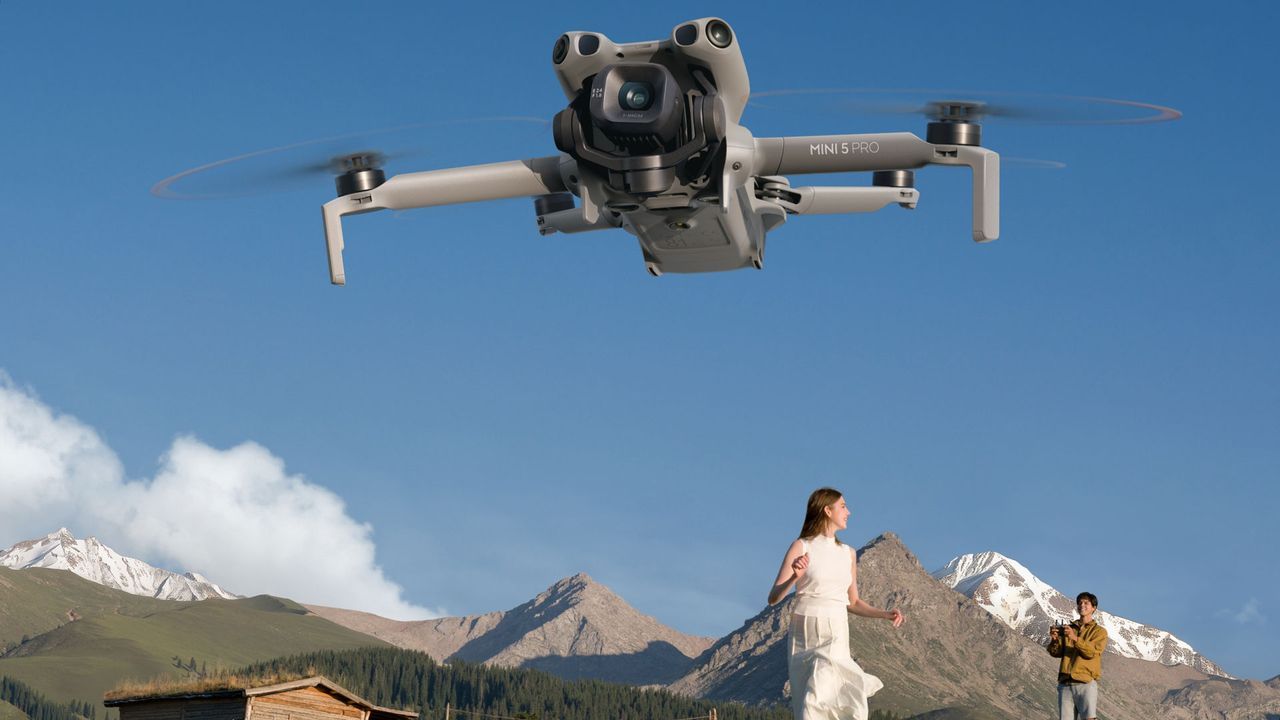
The global race for aerial dominance is heating up, and the United States is clearly stepping in with some serious trade moves aimed at reshaping the drone landscape. The Trump administration has recently unveiled aggressive new tariffs targeting foreign-made drones and their components, signaling a major shift in the tech trade war that will reverberate across supply chains.
This isn’t just about importing; it’s about securing domestic innovation. The core objective behind these duties is to shore up American supply chains and reduce critical reliance on foreign technology, particularly from competitors in China. Commerce Secretary Howard Lutnick underscored the urgency, noting that import penetration into the drone sector is “substantial” and emphasized the need to lessen the nation’s dependence on overseas producers.
The new regulatory framework draws a clear line in the sand. The administration is imposing sweeping duties on specific types of aerial systems, distinguishing between sensitive and commercial products. Sensitive foreign drones—those weighing over 25 kilograms or equipped with thermal imaging capabilities—will face a steep 100% tariff. For smaller, less sensitive drones weighing up to 25 kilograms, the import duty will be 25%.
To soften the impact on international trade and maintain alliances, Washington has introduced tiered rates. Nations considered close allies, including the European Union, Japan, Switzerland, and Taiwan, will face a more manageable 15% tariff. The United Kingdom is also included in this effort, facing a 10% rate, provided the hardware and technology originate from these nations or the US.
These tariffs are part of a broader strategy designed to halt supply-chain circumvention. The White House has publicly accused more than 40 countries of actively assisting Beijing in rerouting products through third parties to evade existing trade barriers. As Craig Singleton, a technology competition expert at the Foundation for Defense of Democracies, pointed out, while the targets are primarily China, the move is designed to stop “supply-chain laundering.” This effort allows US companies to import and assemble millions of Chinese drone components, from motors and rotors to frames.
The immediate effect of this policy has been palpable. The tariffs are forcing a rapid, capital-intensive pivot among US commercial and government agencies toward developing domestic or allied sourcing strategies. For the domestic industry, the news provided a significant boost: US drone manufacturers, including companies like AeroVironment Inc., Aevex Corp., and Unusual Machines Inc., saw their stock prices surge in post-market trading.
This action adds another layer to an already evolving narrative regarding drone safety and technology. Just a short time ago, the Federal Communications Commission had implemented a sweeping ban on new drones and critical components from foreign manufacturers, such as DJI and Autel Robotics, following national security determinations that these systems posed risks related to surveillance and data exfiltration.
Buy on Amazon
Credit