
Virginia mandates payment for AI data center power saving millions
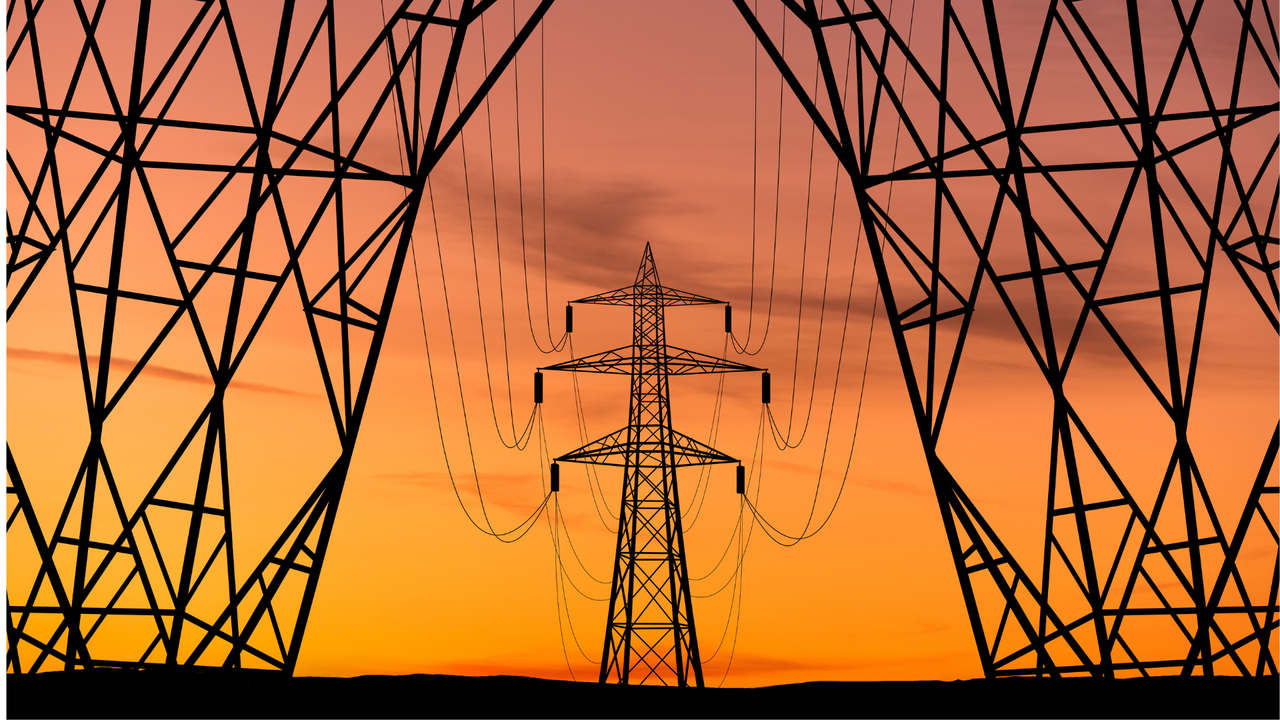
The explosive growth of artificial intelligence demands is reshaping the global energy landscape, creating a massive new strain on power grids and utility pricing. At the heart of this tension are the colossal data centers required to power AI, facilities that consume staggering amounts of electricity and require vast transmission infrastructure.
In Virginia, the state is uniquely situated at the epicenter of this energy crunch. With at least 570 data center sites operating across the state, the sheer power demand has triggered significant instability and skyrocketing electricity prices for residents. This pressure is especially acute in areas where AI-driven electricity hikes have been felt most intensely, prompting local leaders to call for conservation efforts.
To address this mounting crisis, Virginia’s State Corporation Commission (SCC) has taken a pioneering step: ordering data centers to directly finance the transmission infrastructure they exclusively use. This landmark decision aims to shift the financial burden of grid expansion away from the public and onto the massive energy consumers themselves.
Governor Abigail Spanberger is driving this initiative, asserting that it is a concrete move toward easing the rising energy costs faced by Virginians. By requiring these hyperscalers to pay for their own upstream electrical infrastructure, the state hopes to ensure they contribute their “fair share” while adhering to strict environmental standards.
This action echoes a broader national push for accountability. In early March, President Donald Trump summoned major AI hyperscalers to Washington, urging them to commit to ratepayer protection. This pledge sought to ensure that those building the future of technology would “pay their own way” for the infrastructure they require.
While this federal promise exists, critics have argued it remains largely a commitment rather than binding regulation. Nevertheless, Virginia’s move serves as a tangible example that high-level political promises can translate into meaningful, localized action that directly impacts utility costs.
The impact of these massive developments is not limited to Virginia. Other regions are exploring similar measures. For instance, Oregon has implemented a powerful POWER Act, assigning higher rate classes to facilities consuming 20 megawatts or more of power. This move has resulted in significant rate increases for large consumers, while simultaneously cutting residential electricity costs by 1.3%.
Utility companies, meanwhile, face the challenge of managing this demand. They have had to undertake massive grid upgrades simply to support the increased load from these developments. By requiring data centers to fund their own necessary infrastructure investments, the state hopes to prevent future utility rate hikes and ensure that the cost of building the energy pipeline is accounted for by those driving the AI revolution.
Buy on Amazon
Credit