Virtual Worlds vs Multiplayer Games Warhorse trademarks explained
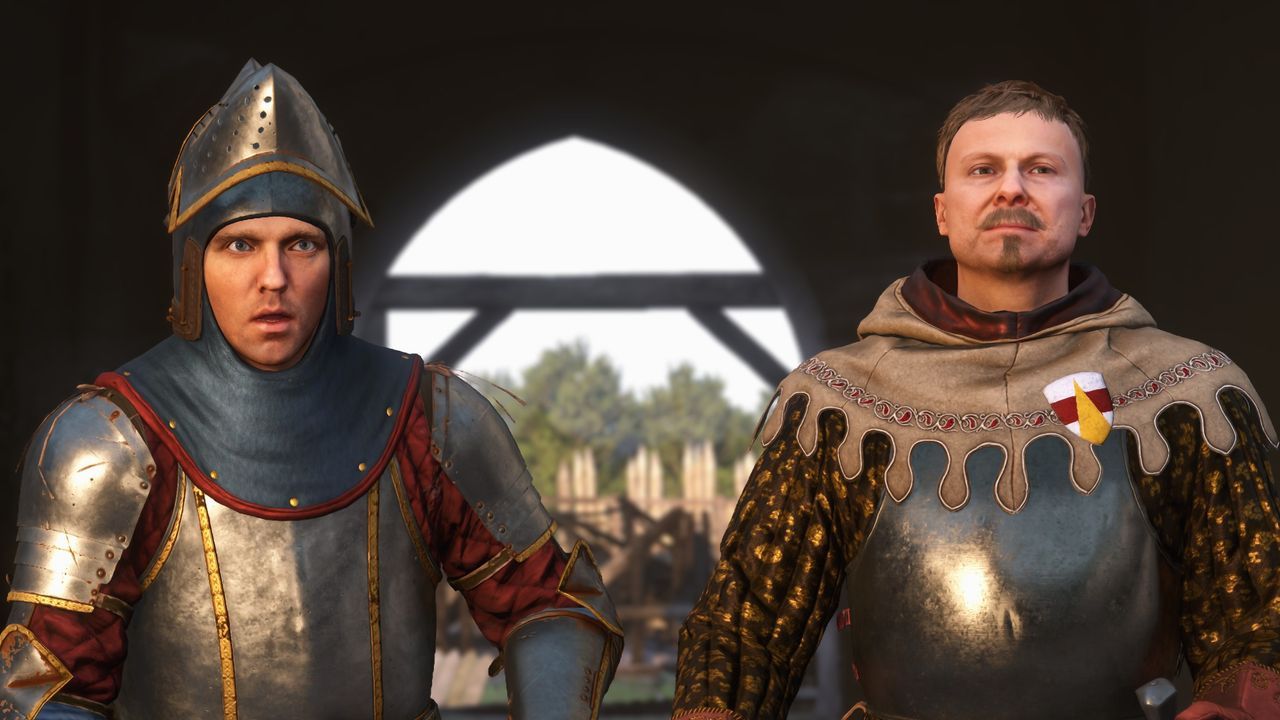
The anticipation for the next installment in the Kingdom Come saga has been palpable. Fans have long dreamed of an open-world RPG steeped in medieval Bohemian camaraderie, and Warhorse Studios has been quietly building the groundwork for what many are hoping will be a massive multiplayer experience.
Recently, ripples emerged from the legal world, as Warhorse Studios filed trademark applications for “Kingdom Come Salvation” in both Europe and the United States. While this might sound like dry legal paperwork, the language used in these filings offers tantalizing clues about the future direction of the franchise.
The real eye-catching part lies in the specific classification they sought. Beyond the standard videogame trademark registration, the applications included categories related to “services for matching users with computer games.” This move signaled an intent to frame the next adventure not just as a singular experience, but potentially one that involves online functionality.
These filings pulled in attention because they involved specific classifications—namely IC 041—which relate to services aimed at entertainment and recreation. In essence, the trademark language pointed toward “online interactive entertainment” and “electronic games services provided by means of a global communication network.”
The implications are significant. While fans are naturally hoping for widespread multiplayer access, video game IP experts urge caution. Trademark attorneys use broad terminology to ensure that a mark covers the widest possible spectrum of potential future uses, regardless of whether the product is currently single-player or fully networked.
As one expert pointed out, registering a title with terms related to “online” doesn’t automatically guarantee multiplayer features. For instance, previous trademarks for games that were purely single-player still utilized these broad service classifications because it provides necessary legal flexibility for future expansion.
This approach is not unique; other trademark filings for titles that did not traditionally feature multiplayer components have similarly used IC 041 classifications. It demonstrates a strategic choice by IP lawyers to prepare the mark for whatever evolution the game might take.
So, while the presence of these classifications certainly hints at the possibility of online elements in the future of Kingdom Come, it is important to remember that this legal filing serves as an indication of potential scope rather than a definitive promise.
The exciting part remains the unfolding narrative itself. We can watch for official announcements as Warhorse Studios continues its work on the next epic adventure, keeping an eye on whether those trademark hints will translate into actual multiplayer features for the Kingdom Come universe.
Buy on Amazon
Credit