
Xbox One S: Say No to Streaming and Go Physical
The Great Content Conundrum: Why Owning Physical Media Beats the Streaming Cycle
We live in an era defined by endless scrolling and convenience. We subscribe to services, click links, and expect content to be instantly available. But lately, I’ve been doing some serious math on whether this system of renting and subscribing truly delivers value. The recent realization that fighting for ownership over content might be the real hack to saving money has completely shifted my perspective.
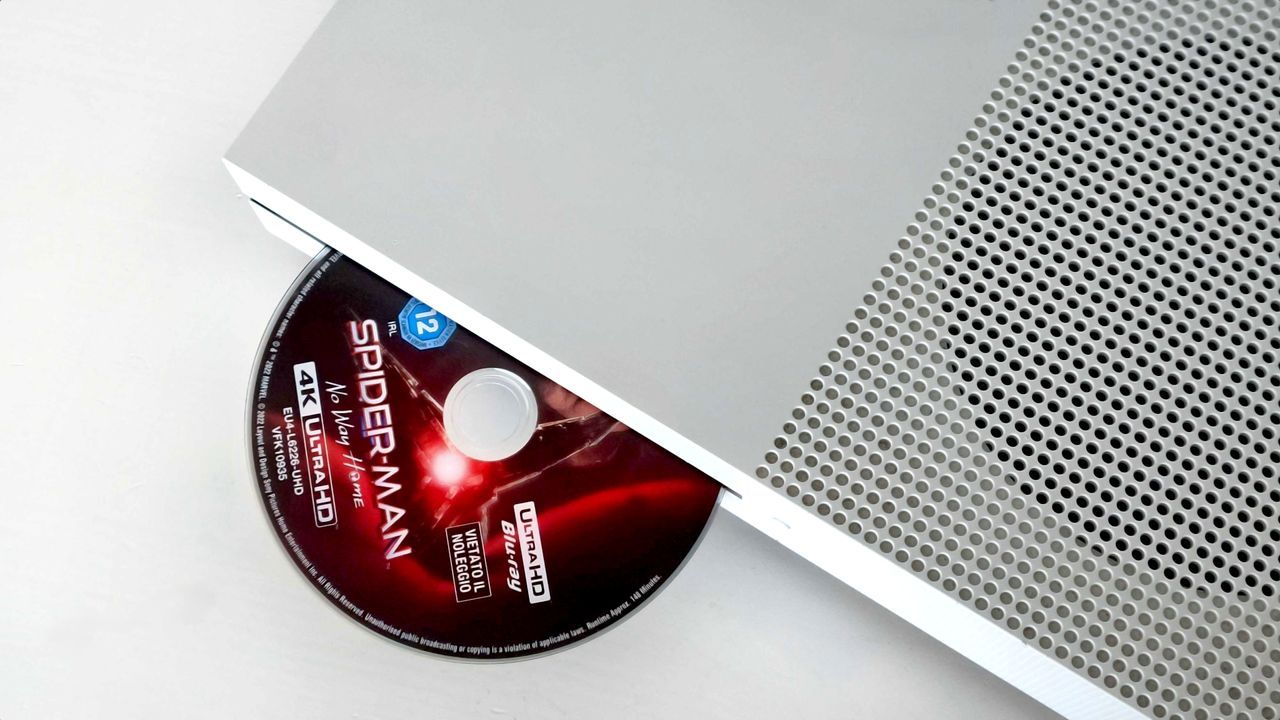
It all started with a simple thought: why are we constantly paying for access when we could be owning the content itself? This idea was crystallized when I looked at the technology powering entertainment. For example, the Xbox One S wasn’t just a sleek console; it was also a surprisingly potent hub for physical media enthusiasts. When it launched, one of its standout features was the inclusion of a 4K UHD Blu-Ray drive, allowing users to play these high-definition discs at a fraction of the cost of dedicated players.
This technological advantage demonstrated that owning physical media isn’t just nostalgia—it’s a practical financial strategy. Consider the sheer volume we pay for in streaming services: Netflix, Disney+, HBO Max, Apple TV+, and Amazon Prime Video. When you add up those monthly costs, they quickly stack up to a premium TV package, often leaving you with less content than you actually consume.
The core argument is simple: unless you are actively watching every single piece of content, paying for licenses becomes an inefficient use of money. It’s like subscribing to a massive library but only reading a few books—you’re paying for the access, not necessarily the consumption.
Physical media flips this equation entirely. By purchasing physical copies of movies and games you genuinely love, you transition from being a renter to an owner. You gain control over your content, and crucially, you eliminate the fear that your favorite shows or games might disappear overnight due to service changes or license revocations.
This shift in philosophy is supported by industry actions. When companies like Sony have begun removing purchased video content from digital libraries and decided to halt physical game production, it becomes clear that the ownership model for media is constantly shifting away from consumers.
The reason physical items hold such weight is control. When you own a Blu-ray disc, you possess the content. You don’t rely on an algorithm or a subscription agreement to grant you access; you simply possess the item itself. This is particularly powerful when you factor in the value of a device like the Xbox One S, which still offers significant potential for this strategy.
For those who are ready to break free from the endless cycle of digital licensing and embrace true ownership, investing in physical media—especially high-quality content formats—is no longer just a hobby. It is a prudent, cost-effective way to ensure that what you value stays yours, forever.
Buy on Amazon
Credit

