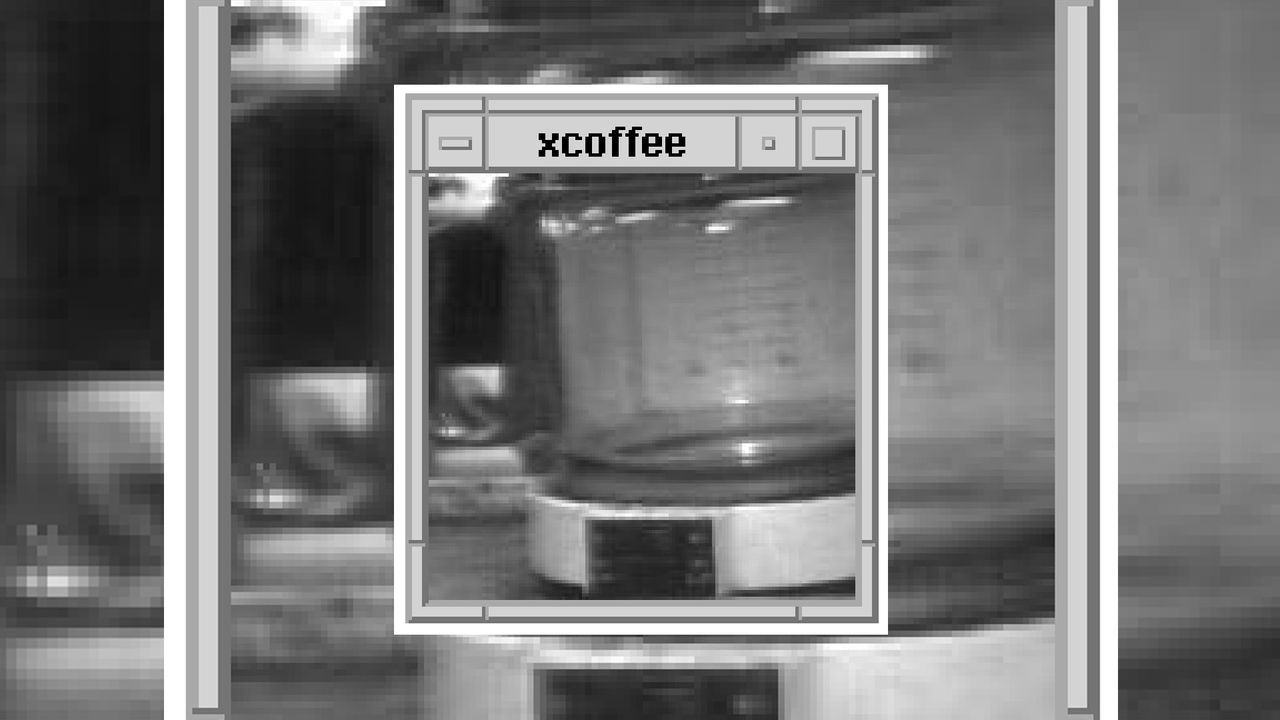
128×128 grayscale feed monitored a coffee pot 25 years ago
The end of an era: how a humble coffee pot became a pioneering piece of internet history
A quarter of a century ago, a piece of academic history was retired. On August 22, 2001, the Trojan Room Coffee Pot webcam was switched off for good, marking the end of a unique experiment that blended academic necessity, retro hardware, and the nascent world of the internet. This extraordinary piece of technology spent ten years serving Cambridge University, demonstrating that even the most mundane problems can inspire groundbreaking solutions.
The invention of the XCoffee system was born out of a very practical, and slightly relatable, academic dilemma. Quentin Stafford-Fraser and Paul Jardetzky devised the webcam to alleviate the disappointment of team members waiting for fresh coffee. Working in an environment where highly dedicated academics often shared resources—including a single coffee filter machine tucked away in the corridor—the team sought a way to monitor the supply and prevent frustrating waits, especially when team members had to traverse multiple flights of stairs to reach the pot.
To solve this logistical puzzle, they developed XCoffee, a system that brought a digital eye to the coffee pot. This system was built on early computing foundations, initially running on an Acorn Archimedes machine. The webcam itself was merely one component in a larger quest to improve the daily experience of those working in the Trojan Room.
The history of the Trojan Room camera goes even further back than its retirement date. It emerged from a fascinating intersection of technology and the burgeoning digital age. While the webcam was active in 2001, its roots lay in 1991, when the system began capturing a 128 x 128 pixel grayscale image.
This pioneering project cleverly connected to the science lab’s local area network via a frame capture card and a custom-coded server-side X Window System protocol application. This setup allowed team members across the network to monitor the coffee pot in real-time. In fact, this groundbreaking camera actually connected to the internet for the first time in November 1993, just months after web browsers had begun displaying images.
The evolution from that early, low-resolution setup to today’s streaming technology is truly remarkable. While the original system was a charming piece of retro-computing, the modern demands for media consumption have soared. Today, streaming a coffee pot would be an absolute cinch, allowing users to broadcast the scene in true color, in up to 4K resolution, and at 60 frames per second using the latest webcam hardware and fiber internet.
It is a testament to the enduring power of simple problem-solving and the ingenuity of early computer science. The Trojan Room Coffee Pot webcam, though retired, reminds us that the most innovative ideas often begin with the simplest, most human needs.
Buy on Amazon
Credit