142 protests ignite over AI data centers across 42 states
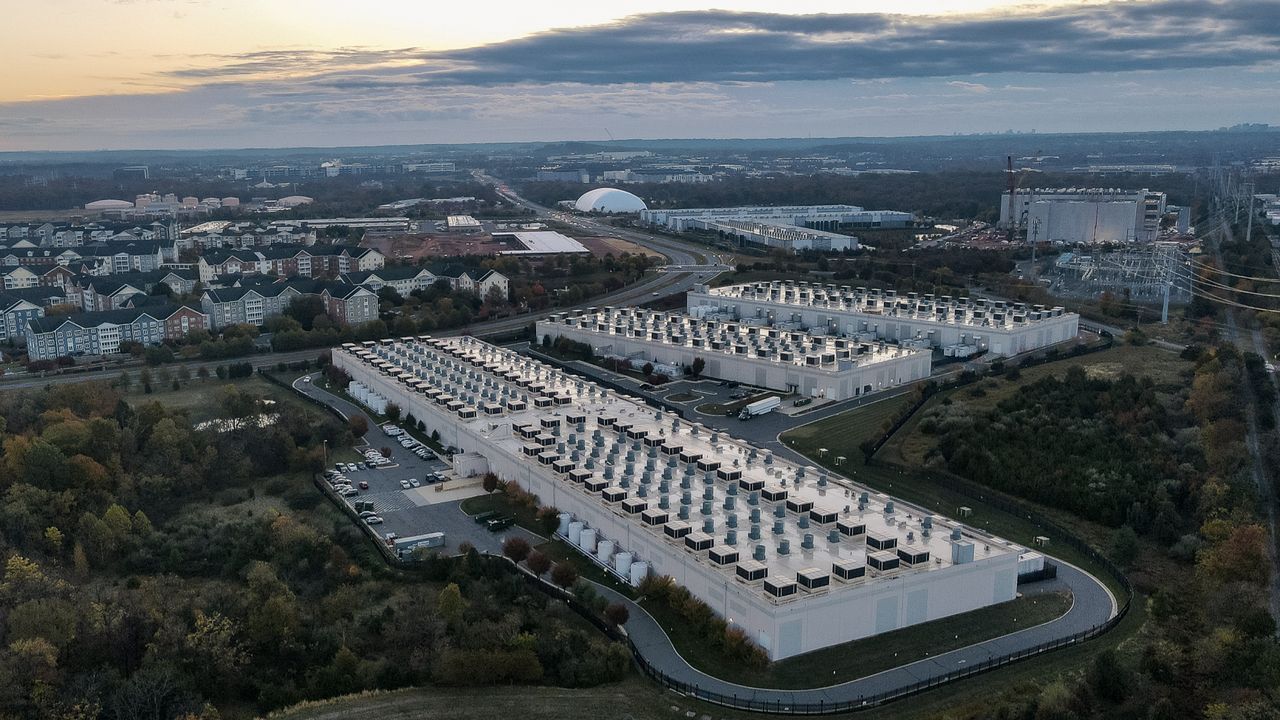
The relentless pursuit of artificial intelligence and massive data processing is running into a formidable wall of public resistance. As tech companies race to build sprawling data centers essential for the AI revolution, the American public is increasingly pushing back, transforming what was once an infrastructure debate into a fierce fight over community rights and quality of life.
This opposition has grown into a national movement. More than 70% of Americans now voice opposition to data centers, a sentiment that has fueled bipartisan political action aimed at blocking major projects. The scale of this pushback is remarkable: just this past weekend, activists organized a coordinated protest spanning 142 venues across 42 states—a first-ever simultaneous demonstration of this magnitude across the United States.
Organizers of these demonstrations have framed the massive data center buildout not merely as an infrastructure project, but as an unacceptable infringement on our liberty. This demand for community consent is proving to be scarcer than the chips and resources required to actually build these sites.
The consequences of this resistance are tangible. Bipartisan opposition has led to significant delays, with over 130 billion dollars worth of data center projects already stalled in the first quarter of 2026. Furthermore, momentum is building nationally as more than 69 jurisdictions have already imposed bans on new data center construction.
Major tech hubs, including Seattle (home to giants like Microsoft and Amazon) and New York, have acted decisively, passing one-year moratoriums or outright bans on projects larger than 50 megawatts. This legislative push shows that the public is demanding real accountability for the environmental and social costs of this rapid expansion.
Facing these regulatory roadblocks, developers have found creative ways to circumvent local opposition. Some are targeting rural territories to bypass city council approvals, bringing their own power sources, or pointing to minimal environmental footprints—such as claims that data centers use less water than lawn care and gardening. However, these tactics don’t erase the public wariness over potential consequences.
The core issue remains: building a competitive AI infrastructure without sacrificing community well-being. Any project now requires more than just friendly town council approval; it needs a comprehensive plan that accounts for inevitable public scrutiny and opposition. The fight is no longer just about technology; it’s about ensuring that the future of data centers serves both technological ambition and human community standards.
Credit