150k locked Quake CDs trapped by flawed encryption scheme
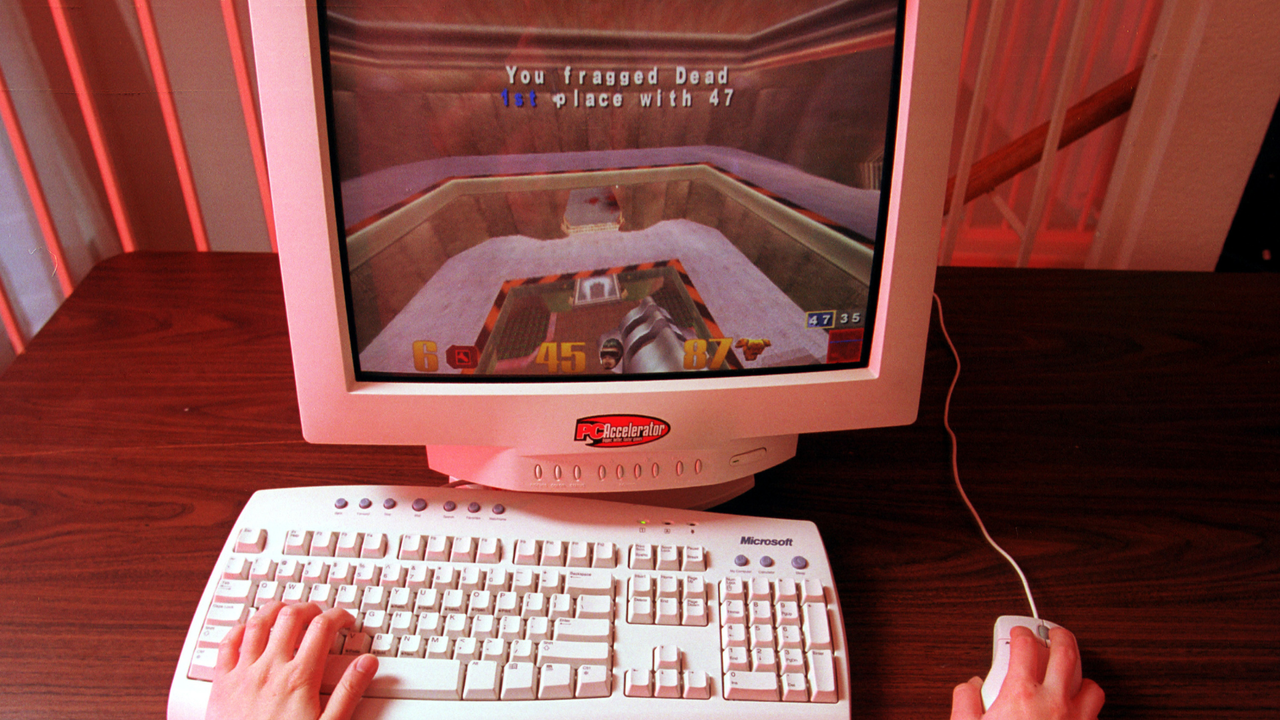
Long before the internet offered instant access to everything, the world of video games was already grappling with the eternal tension between creators and pirates. Back in the mid-1990s, when id Software released titles like Quake, they tried to innovate the distribution model by embracing shareware. This move, while ingenious on the surface, set the stage for one of the most dramatic DRM battles in gaming history.
id Software decided to package their games on CDs for a mere ten dollars. The plan was to let gamers sample the software before committing, creating an easy entry point. To further entice buyers, they cleverly included full, encrypted versions of their other titles on the same disc. The trick to unlocking these full versions wasn’t simple; it required interacting with a complex system dubbed the “Quake Unlock Center.” Buyers had to engage with a challenge code displayed on the disc, providing their credit card details to an agent who would then deliver the necessary code to unlock their chosen game.
On paper, this system seemed brilliant. It allowed gamers to bypass local retailers and cut out the middleman, theoretically letting the developers reap the full financial rewards of their sales. However, the security was built on a fragile foundation: security by obscurity. The challenge codes appeared to be semi-random, based on rotating prompts, giving the developers a false sense of impenetrable protection.
The fatal flaw, however, lay in the hidden data. The unlocking application relied on a specific set of rules to generate serial numbers. If a determined party could reverse-engineer the scheme used to retrieve those numbers from the challenge code, they could bypass the entire payment process. This hard-coded data, buried within the CD itself, proved to be the vulnerability that security professionals often overlook.
In the days following the release, hackers quickly recognized this weakness. The group GNOMON launched a coordinated attack, developing a tool called QCRACK.exe in just thirty-nine days. This program was capable of generating serial numbers for every game on the disc, instantly turning the $10 shareware discs into free full games. The hackers achieved an incredible return on investment, proving that the developers had severely underestimated the threat posed by the cracking community.
The damage was immense. id Software and their partner, TestDrive, had relied on this system for distribution, but once the vulnerability was exploited, the model collapsed. The presence of the crack meant that the company ultimately had to stop distributing the shareware discs, resulting in approximately 150,000 discs that could not be sold. The notorious Quake cracking incident remains a stark reminder that the race between game publishers and pirates is far from over.
This early confrontation foreshadows the ongoing cat-and-mouse game between anti-tamper software and pirates that continues today. Even today, modern systems like Denuvo DRM face continuous challenges, demonstrating that while technology evolves, the core struggle to protect intellectual property remains the central, unending battle in the world of digital entertainment.
Buy on Amazon
Credit