$1B iPhone chips stall awaiting memory delaying Apple launch
When you look at the world’s most advanced technology, a huge amount of complexity is hidden beneath the surface—specifically, in the intricate dance of semiconductors and supply chains. For giants like Apple, this complexity translates into high-stakes pressure as they prepare for the next generation of devices.
As the anticipation builds for the iPhone 18, the focus shifts from groundbreaking design to the gritty reality of manufacturing. This is where bottlenecks become critical: not just in the availability of memory chips, but in the highly specialized process of packaging them with processors.
Reports suggest that Apple is currently navigating a fascinating logistical challenge. The firm reportedly has around $1 billion worth of processor wafers sitting on the shelf, awaiting crucial packaging capacity amidst ongoing memory shortages. This situation places immense pressure on Apple as it races toward launch.
To keep the production lines humming, internal teams are working tirelessly with suppliers to secure the necessary components. This involves synchronizing the supply of DRAM and the integration of these chips into functional modules like the A20 Pro and C2 that power the upcoming lineup.
The backbone of this process relies heavily on cutting-edge fabrication facilities, particularly those operated by TSMC. It is within these advanced settings that the real magic—and the logistical hurdles—occur. TSMC reportedly has approximately $1 billion worth of Apple wafers awaiting packaging using their advanced Wafer-Level Multi-Chip Module (WMCM) process, a method similar to the highly sought-after CoWoS technology adapted for mobile components.
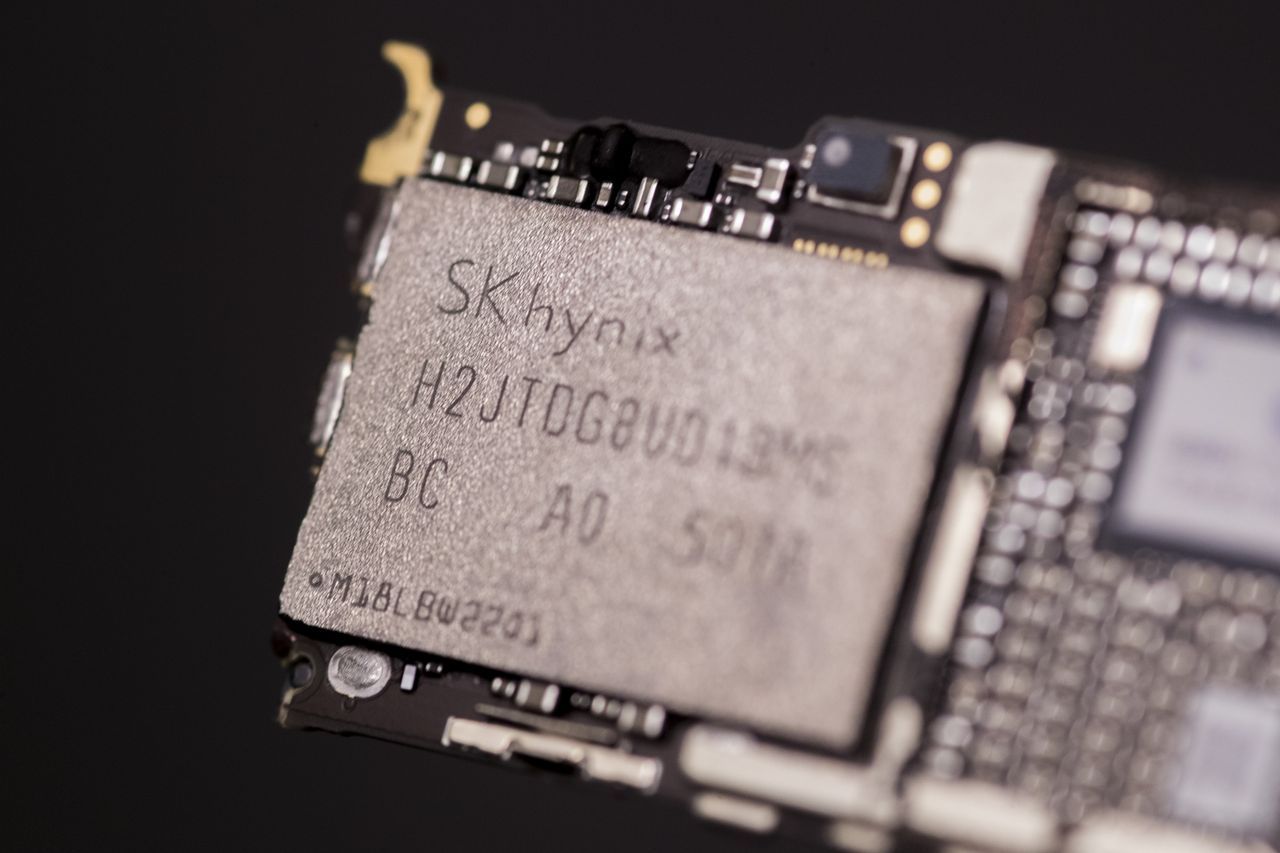
The memory landscape itself is equally competitive. While Apple primarily sources DRAM from major players like Micron, along with SK Hynix and Samsung, securing these materials requires navigating complex agreements. A series of long-term agreements (LTAs) have emerged over recent months, guaranteeing a steady supply for several years.
However, the strain extends beyond just memory. The demand fluctuations mean that while Apple and its assemblers remain confident about meeting initial shipping goals—projecting around 200 million iPhone 18 units across the lifespan of the device—the lingering DRAM shortages could present a challenge for sustained shipments.
Meanwhile, the wider industry is exploring creative solutions to bypass these constraints. Other major PC manufacturers are reportedly looking toward alternative suppliers, such as China’s CXMT chips, in an effort to mitigate the unprecedented memory shortage.
This search for alternatives has injected a new layer of geopolitical tension into the story. The potential use of Chinese materials has become a hot topic in Washington, leading to reports that Apple is actively lobbying for access to these chips amid ongoing governmental discussions about the status and future of the CXMT material.
Credit