20 Years of CoH: The Team Carries the Torch
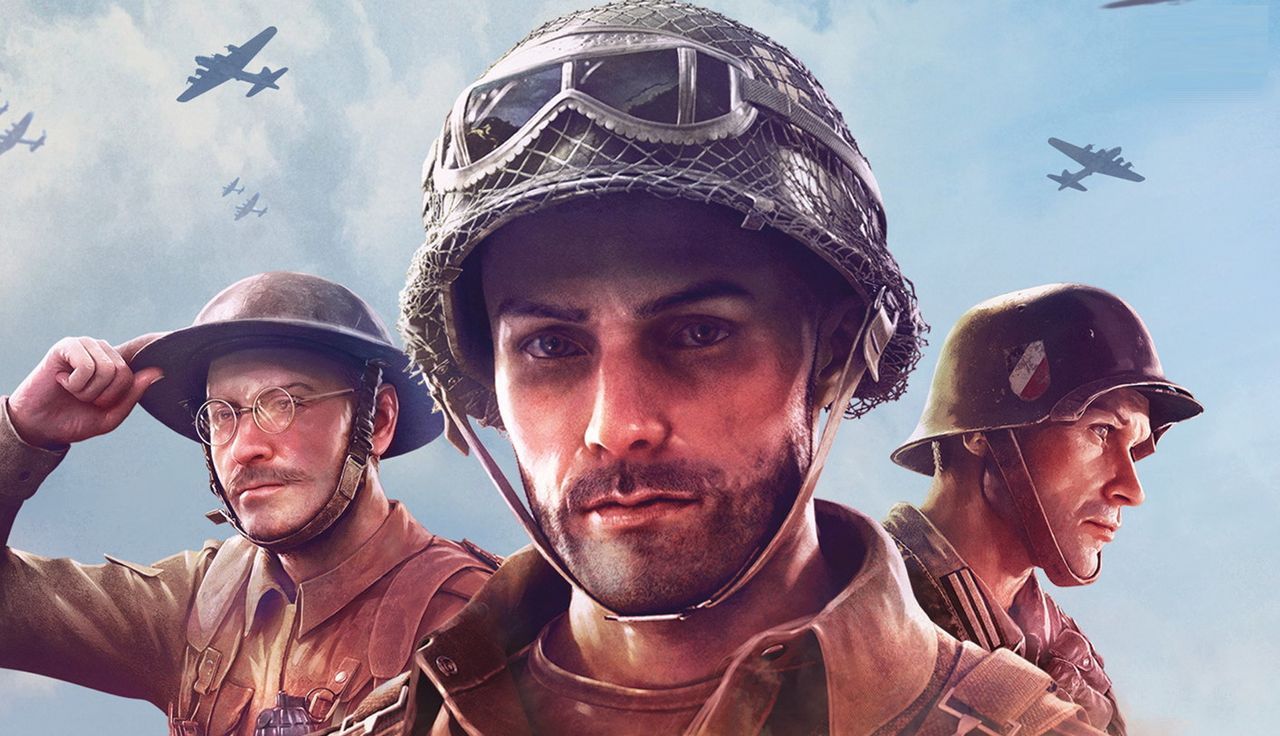
The journey of a World War II real-time strategy game is often a collision of history and imagination. For some, that journey begins with a childhood fascination—a mix of hardware store parts, late-night gaming sessions, and a deep dive into the brutal, beautiful landscapes of the Second World War. For others, it begins with a studio determined to redefine the genre.
Company of Heroes (CoH) wasn’t just another strategy game; it was a revolution. Born from a desire to bring the scale of a grand conflict to the tactical precision of an RTS, the game managed to blend epic warfare with a surprisingly human element. Early developers were heavily influenced by cinematic masterpieces like Saving Private Ryan and Band of Brothers, aiming to infuse the strategic experience with the drama and visual leaps provided by newer technologies like Half-Life 2.
The magic of Company of Heroes lay in how it treated its soldiers. Relic Entertainment championed a philosophy they called “Humanizing the Battlefield.” Unlike other RTS titles that treated units as mere statistics, CoH made the infantry feel real. Audio and animation made the soldiers feel like people with lives back home, capable of taking cover, suffering fear, and fighting for survival—turning the battlefield into a place defined by morale and maneuver.
This focus on realistic combat was driven by a maximalist approach. The team had an almost reckless ambition to squeeze every cool idea into the game. They didn’t cut corners; they pushed for dynamic cover systems, destructible environments, and squad tactics, resulting in a game packed with features that demanded real-time tactical thinking. It was this boldness that gave CoH a unique, visceral feel.
As the franchise evolved, so did the studio’s vision. The drive to create sequels inevitably led to challenges. While the first game was lauded and received high scores, subsequent titles faced scrutiny. Some felt the formula wavered, leading to a period of mixed reception among the community, especially when trying to pivot to new settings or mechanics.
A turning point arrived with the expansion pack Ardennes Assault. This dynamic campaign, which simulated the Battle of the Bulge, allowed players to move troops across provinces and cut off enemy forces, cementing CoH’s reputation as a master of tactical, large-scale conflict. It was during this era that the game reached its zenith, delivering the most compelling blend of strategy and visceral action.
The quest for the next evolution, including attempts at setting the stage for Company of Heroes 3, proved difficult. While the team remained energized, the pressure to deliver a massive, cohesive experience sometimes led to creative hurdles. This resulted in difficult decisions for the studio, including organizational changes and layoffs, as the company navigated the turbulent waters of the industry.
Today, the spirit of the creators remains, however. Relic Entertainment has established its independence, refocusing on the core vision with a smaller, dedicated team. They are chugging along, proving that even amidst industry turmoil, the passion for this franchise endures. The future of Company of Heroes is defined by this resilience—a testament to a team that insists on making a difference, no matter the setbacks along the way.
Buy on Amazon
Credit