216 million TVs spy and record LG denies claims
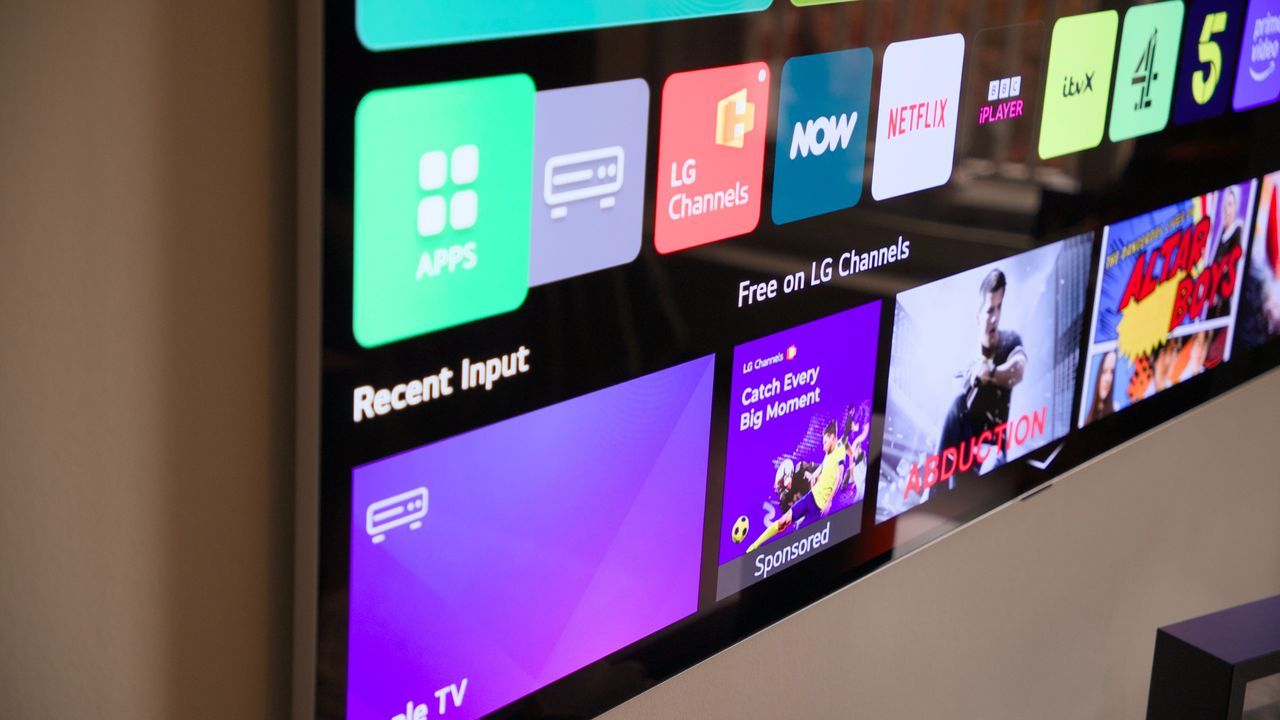
The Smart TV Spy Debate: LG Denies Claims of Constant Data Surveillance
In the world of smart home technology, where our televisions are expected to be intelligent hubs, a serious privacy debate has erupted. Recent claims suggested that LG smart TVs were secretly logging and uploading user data, recording audio while in standby mode, and actively scanning local networks for other devices. The allegations sparked widespread speculation, leading some observers to suggest the existence of a massive network of surveillance devices.
These sensational claims followed an in-depth investigation published by some tech channels, which brought serious questions to the forefront about the security and privacy architecture of popular smart television platforms. The testing involved sophisticated packet capture and firmware analysis, designed to examine how the devices interacted with their surrounding environment and network infrastructure.
The central contention revolved around the notion that these devices were secretly harvesting information. Reports suggested that LG devices could be scanning Wi-Fi networks to identify phones, printers, and other smart home gadgets on the same local area network. More alarmingly, some claims focused on the potential for audio recording, even when the televisions were supposedly turned off.
LG quickly issued a strong denial, firmly stating that these allegations are unfounded. The company clarified that the functionality of the smart TV is governed by explicit user actions, ensuring that sensitive data is not automatically collected.
When addressing the audio recording claims, LG emphasized that the microphones do not capture ambient conversations unless a user intentionally activates a voice feature. Specifically, the company explained that voice data is only processed when a user presses and holds the voice button on the remote or recognizes a wake word, such as “Hi LG”, after activating far-field voice recognition. This mechanism is designed to provide control and transparency to the user.
Furthermore, LG confirmed that the smart TV system includes the ability to scan for nearby devices on the same network, describing this as a standard function shared by all smart home devices. They also clarified the status of Automatic Content Recognition (ACR), which delivers personalized content and advertisements. LG asserts that ACR is an opt-in feature, meaning data is not used for advertising unless the user explicitly consents.
Regarding standby mode operation, the company assured observers that if a wake word is not detected when the TV is idle, the audio is processed only locally on the device, immediately deleted, and is not transmitted to any servers. This process ensures that ambient conversations remain private by default.
In essence, LG’s position is that while the technology allows for network connectivity and content recommendations, the system is built on a principle of user control. Features like voice recognition and data transmission require conscious activation by the user, ensuring that privacy remains a priority for the consumer.
Buy on Amazon
Credit
