2XKO’s shutdown signals the death of the MMO genre
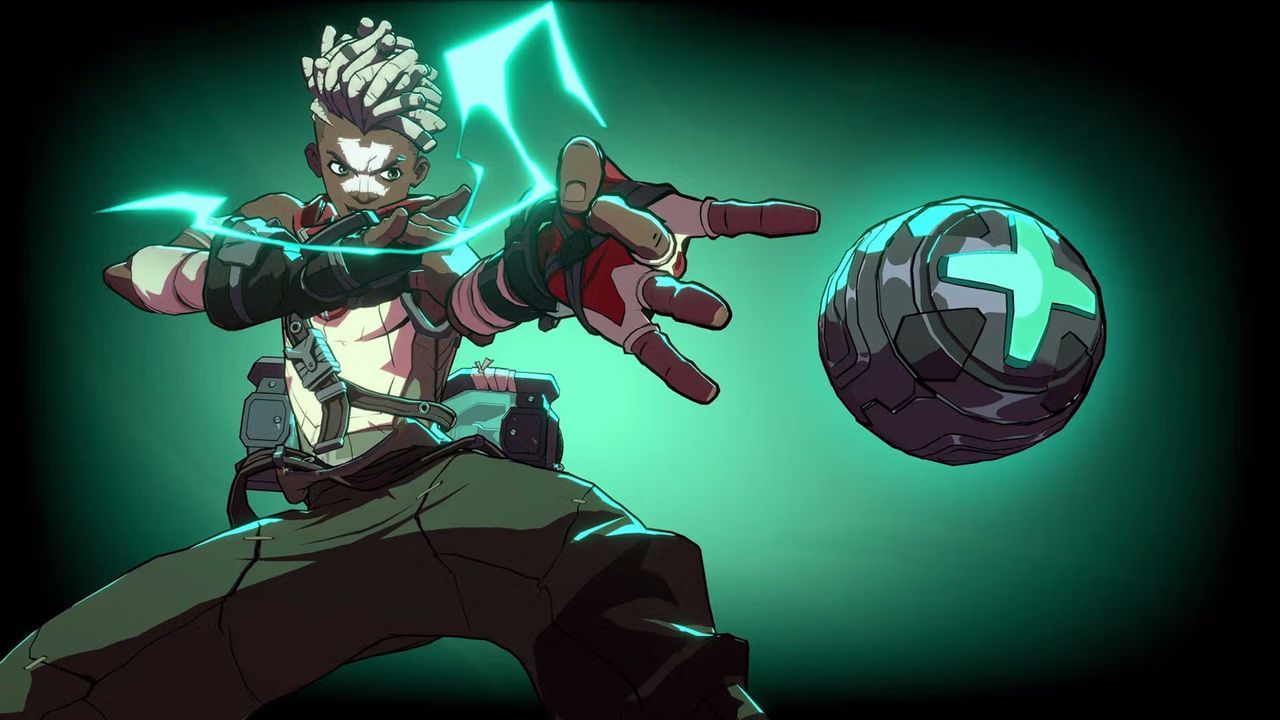
The news surrounding the winding down of a fighting game development project often brings a sense of melancholy, but for me, the feeling isn’t one of personal loss. It’s more of a broader observation about corporate impatience and the elusive nature of long-term creative commitments.
While the ending of 2XKO’s development felt like a tangible setback, the deeper issue lies in the corporate culture that led to the decision. When a studio sheds resources, it prompts a critical look at priorities. This perspective naturally extends to the broader landscape of live service games and the ambitious, long-term visions they pursue.
The development pace and subsequent staffing decisions at Riot Games—less than three weeks after the game’s release—suggest a focus on immediate momentum over sustained investment. This raises a compelling question: does this short-term, results-driven approach truly align with the vision for massive, long-term projects, such as the upcoming MMO?
MMO development, by its very nature, demands a commitment that often runs into years. Unlike immediate, high-impact releases, MMOs require sustained investment to cultivate a stable, long-lasting player base. History shows that success in this space is not born from a goldrush mentality, but from steadfast, decade-long dedication.
The financial reality is stark. MMOs are notoriously costly to maintain and require immense patience. For a large studio like Riot, which has already invested hundreds of millions into massive productions, the pressure to deliver quarterly results can strain the willingness to commit to projects that may take years to fully materialize.
This tension becomes particularly acute when considering the genre itself. Fighting games, despite being a niche, possess deep competitive roots. Games like Guilty Gear: Strive or Marvel Tōkon: Fighting Souls demonstrate that highly skilled, 1v1 experiences can thrive, maintaining active player communities without needing the massive, sprawling populations often associated with open-world games.
This distinction highlights a potential disconnect. While the skills required for a competitive fighting game are specialized, the commitment required to sustain a successful MMO is fundamentally different. The question isn’t whether Riot can manage the mid-range hits in a fighting game, but whether it can possess the patience necessary to nurture a massive, evolving world.
Ultimately, the survival of any ambitious live service title depends on enduring commitment, not just initial hype. For an MMO to thrive, it requires a commitment that goes beyond the immediate quarter, proving that the creative vision is supported by unwavering, long-term organizational patience.
Buy on Amazon
Credit