3 Years to Craft: Fans made a full Metroid Prime 2D demake
Forty years is a long time for a video game franchise to leave an indelible mark on gaming culture. The legacy of Metroid, in particular, stretches far beyond simple gameplay; it has spawned an entire genre and influenced countless developers. In the midst of this celebrated milestone, a creative team stepped up and delivered something truly unexpected: not for the first time. To mark this anniversary, a fan-made title arrived that proved creativity knows no bounds.
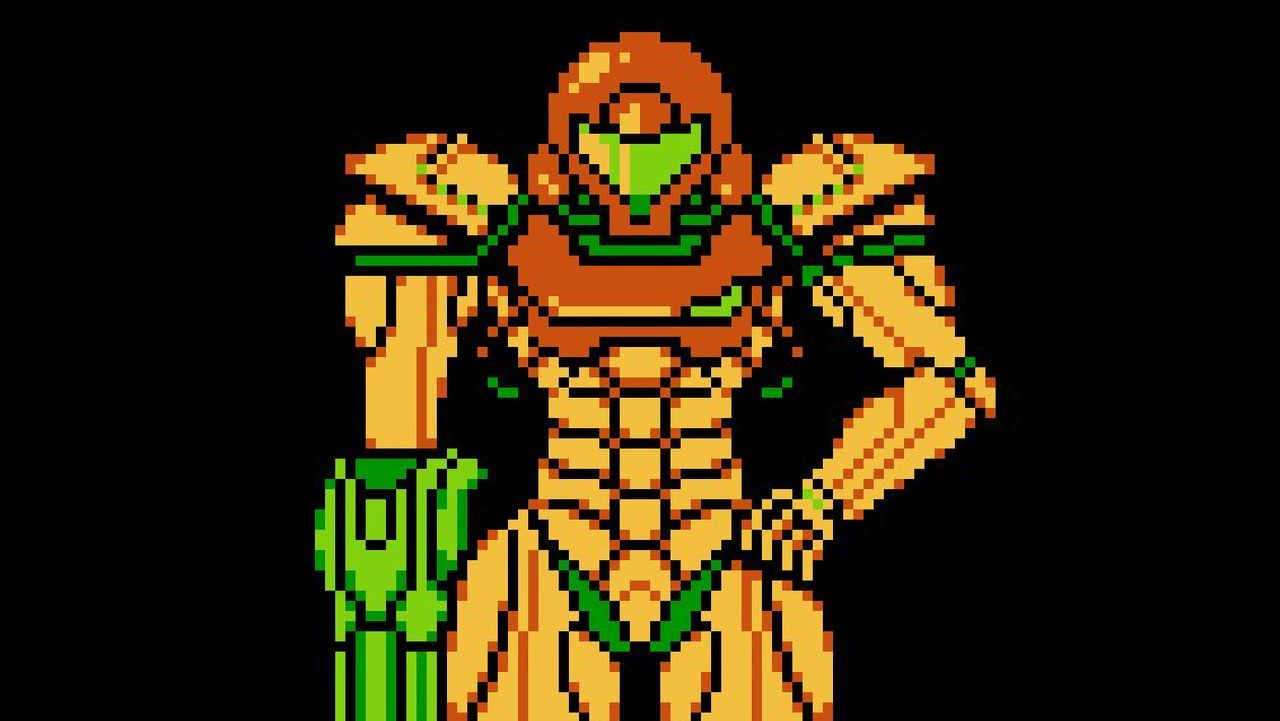
This wasn’t just another tribute; it was Metroid Prime Origins, a polished and genuinely enjoyable adaptation of the classic Metroid Prime experience, reimagined in a charmingly detailed 2D style. It manages to capture the spirit of the original while offering a distinct visual identity—a “fake-bit aesthetic” that nods respectfully to the 8-bit roots without being beholden to outdated color palettes.
While some might find it a slight departure from the moody brilliance of Super Metroid, this choice was a masterstroke. It demonstrates a commitment to originality, allowing the developers to craft a unique visual world that feels fresh and vibrant. In an era where many fan games rely on simply re-skinning official assets, the dedication to creating their own look for Metroid Prime Origins stands out as genuinely impressive.
Beyond aesthetics, the game shines in its gameplay mechanics. The controls are intuitive and fluid, allowing players to grapple smoothly over ledges and accurately engage enemies with precise inputs. The implementation of the scan visor—a key feature for solving puzzles and building a detailed bestiary—is meticulously recreated, filling the screen with lore entries that make exploring the environment feel truly immersive.
The development process itself was a fascinating case study in independent creation. The team behind the project intentionally built the game without using any generative AI. Every sprite, musical track, and piece of in-game narrative was handcrafted by fans, based on the original NTSC lore. This commitment to manual craftsmanship resulted in a product that feels deeply personal.
Adding another layer of intrigue, developers reported successfully navigating the waters with Nintendo’s attention. They managed to release Metroid Prime Origins without receiving any takedown notices or facing shut down—a feat many other fan projects struggle to achieve. This suggests a highly calculated and stealthy approach to development.
The final product is packed with polish, offering options like autosave, damage scaling, and even the ability to toggle controller vibration and aiming. Furthermore, the game’s availability extends beyond the original platform, currently being accessible on Windows, demonstrating a commitment to reaching a wider audience.
The success of Metroid Prime Origins serves as a powerful reminder that innovation thrives outside of corporate channels. It is a testament to what passionate developers can achieve when they focus on quality and vision, offering a vibrant, deeply engaging experience that honors the legacy of a classic while forging a unique path forward.
Buy on Amazon
Credit