Thermal Paste Failure Uneven Emergence from Syringes
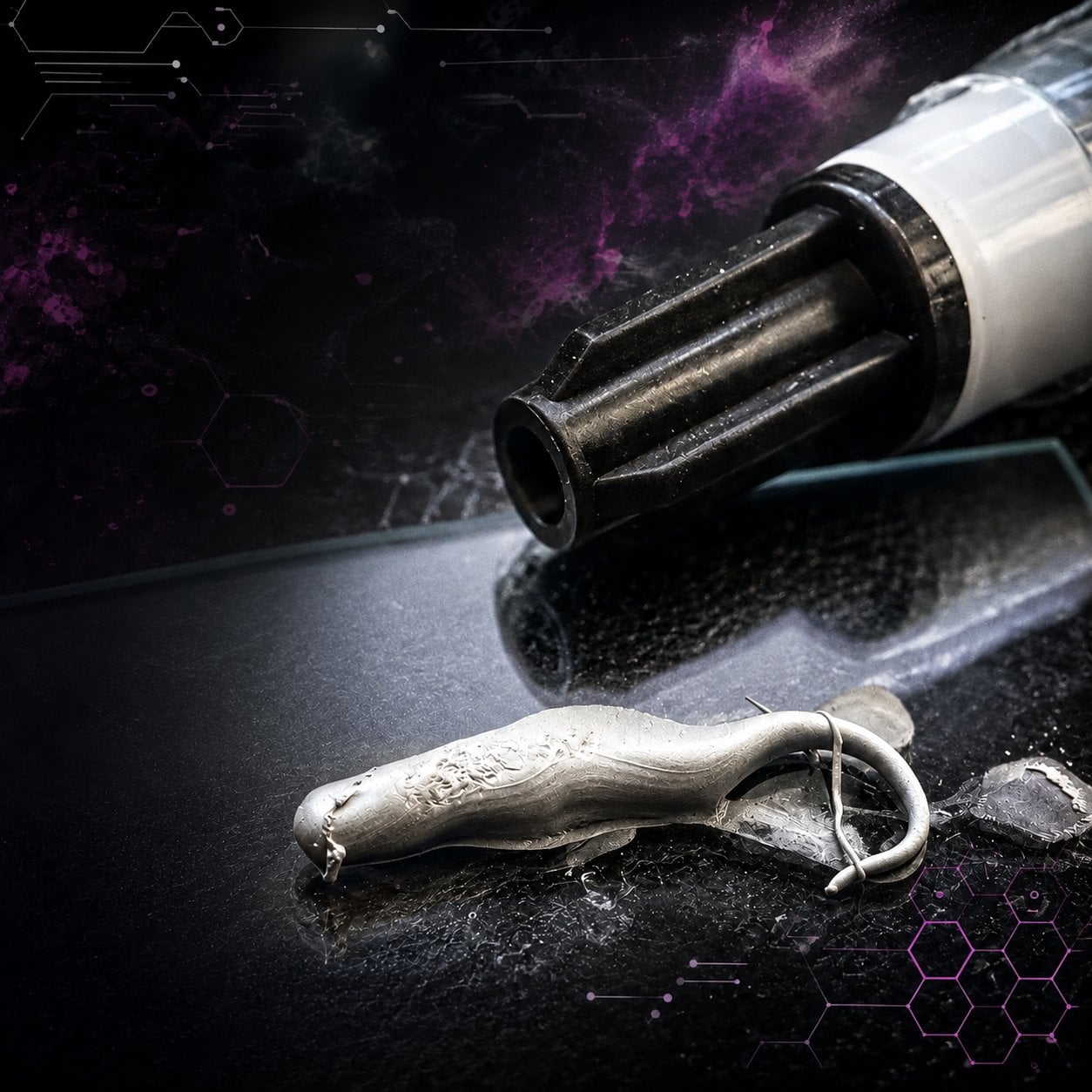
The quest for optimal cooling in modern computing often involves diving deep into the microscopic world of thermal interface materials, specifically thermal paste. While we expect thermal paste to be a uniform substance, recent investigation into thermal transfer from small syringes reveals a surprising and critical layer of nuance that can impact system performance.
The study uncovered that thermal paste is not necessarily homogeneous throughout its volume. When examining samples taken from identical 2-gram syringes, researchers found significant variations in material properties depending on where the paste was dispensed.
Specifically, the material released first exhibited approximately 8.4 percent higher thermal conductivity within the bulk of the material itself. However, this increased internal conductivity came with a trade-off: the first portion coupled significantly worse with the surfaces it contacted thermally.
This finding highlights that simple observation is insufficient when dealing with heat transfer applications. For enthusiasts and builders focusing on mounting components like CPUs and GPUs, where the interface layer is extremely thin, the quality of the contact surface becomes paramount over internal bulk conductivity.
The investigation concluded that for these critical thin layers, the sample taken from the middle of the syringe proved to be clearly superior in terms of thermal coupling. This suggests that achieving optimal heat transfer relies less on the material’s internal composition and more on selecting the specific batch or location of the paste for maximum surface performance.
Buy on Amazon
Credit