32GB DDR5 RAM hits $400 making PC building out of reach
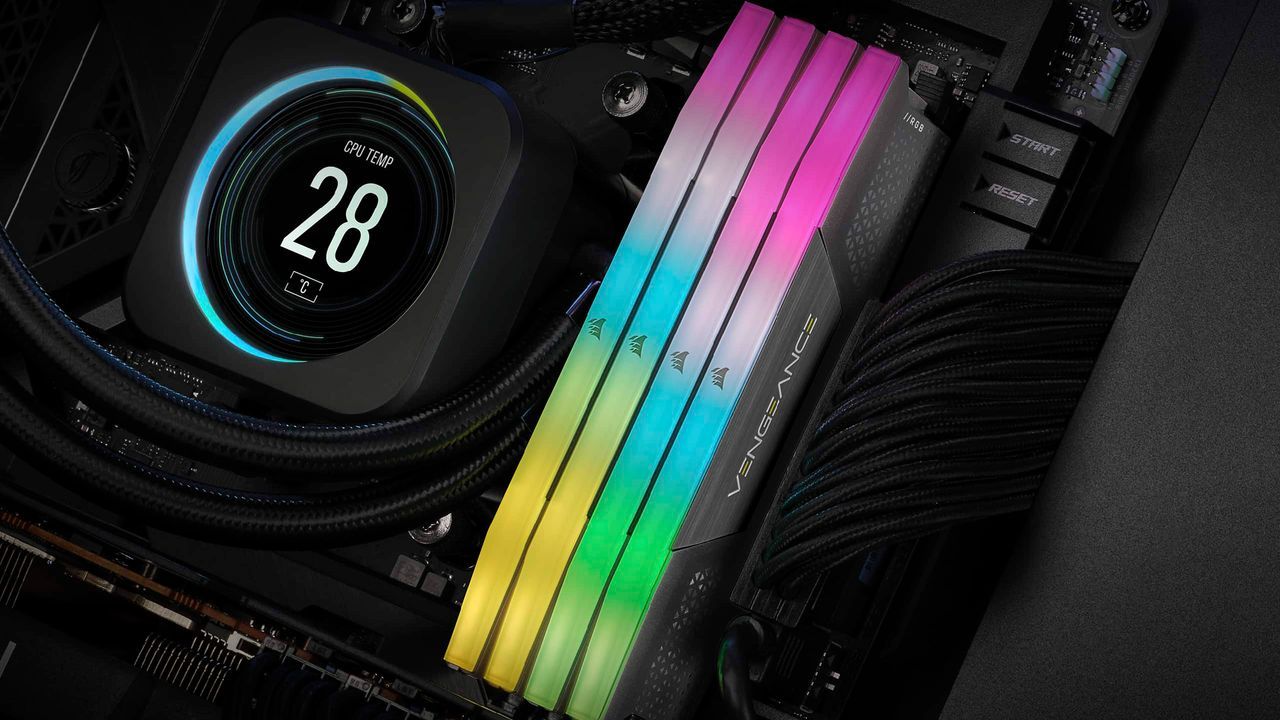
The quest to build a cutting-edge gaming PC often starts with a specific piece of memory: DDR5 RAM. For years, configurations featuring DDR5 RAM clocked at 6,000 MT/s were widely hailed as the perfect sweet spot, balancing performance and price. But this golden standard has become a symbol of the current PC component crisis, demonstrating just how rapidly the market is shifting its economics.
Today, achieving that benchmark is no longer cheap. A specific configuration of 32GB of DDR5 RAM running at 6,000 MT/s now costs around $400, representing an astonishing more than 400% price increase from the low rates seen in previous years. This steep climb highlights the severe scarcity and escalating demand facing the memory market.
The dramatic inflation isn’t just about the premium speed; it’s about the scarcity of the components themselves. While high-speed DDR5 is hitting a wall of escalating prices, alternatives are certainly available. Consumers can still find memory kits at lower price points by opting for slower speeds. For example, 32GB of DDR5 RAM running at 4800 MT/s is available for significantly less—around $359.
However, the desire for peak performance often forces users into difficult compromises. Choosing a slower memory speed to save a few dollars means sacrificing potential performance, making the decision to compromise between cost and speed a tough one for builders.
This market turbulence is symptomatic of broader industry pressures. The bottleneck isn’t just consumer demand; it’s a massive industrial shift driven by artificial intelligence buildouts. These enormous demands for processing power are consuming manufacturing capacity for NAND and flash memory, creating ripple effects that squeeze consumer production.
Even major industry players are adjusting their focus. Companies are reorienting their strategies, with some shifting focus toward enterprise customers rather than consumer goods, as evidenced by major memory manufacturers adjusting their product lines to meet specialized industrial needs.
As this trend continues, the memory shortage is expected to persist, and prices are likely to continue climbing in the coming months. For consumers looking to upgrade, the immediate solution often involves bundling hardware or opting for pre-built systems, as these remain one of the few ways to insulate against the relentless cost increases.
Buy on Amazon
Credit
