$32T AI data center boom demands infrastructure spending
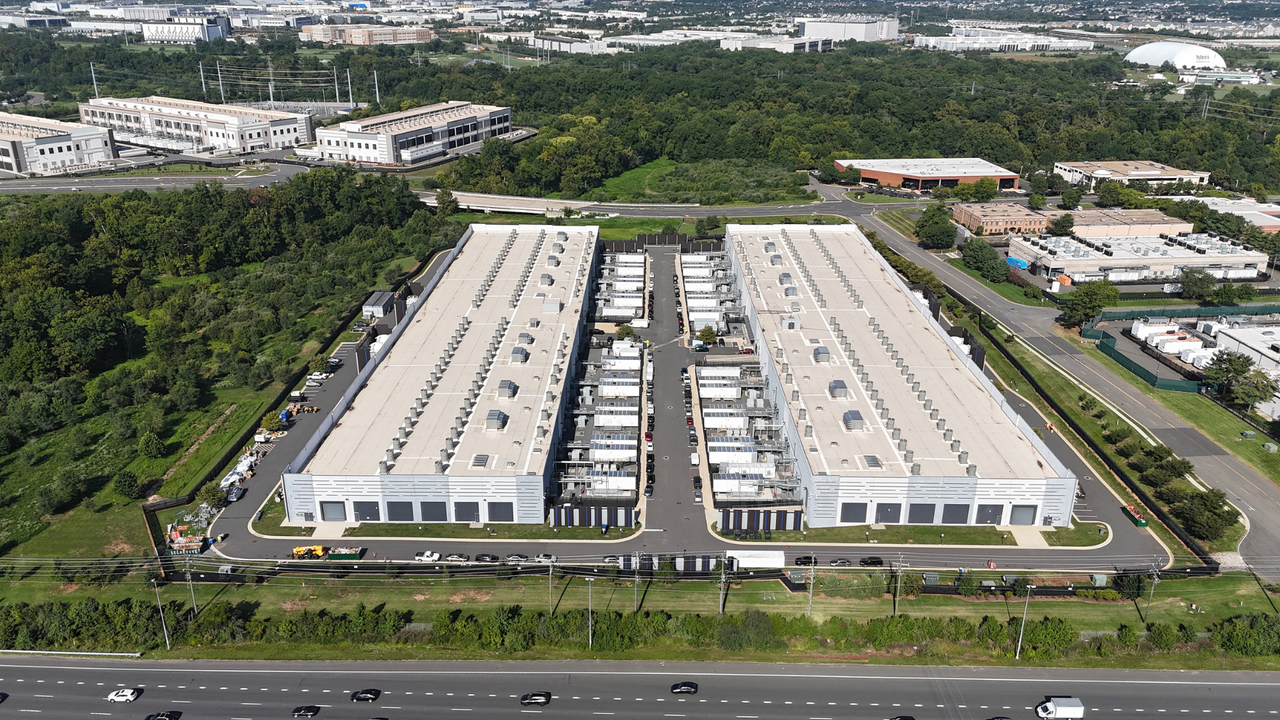
The Trillion-Dollar Engine: How the AI Data Center Buildout is Redefining Global Spending
The age of artificial intelligence is not just changing how we work; it is reshaping the physical world through an unprecedented infrastructure boom. Experts estimate that the investment required to power the massive demand for AI data centers could reach an astounding $31.6 trillion over the next decade and a half, with optimistic forecasts suggesting capital expenditure could even hit $50 trillion.
This staggering figure dwarfs previous historical infrastructure projects. It far exceeds the capital required to build railways, establish global electrification grids, or lay down the internet cables when they were first conceived. What sets the AI infrastructure investment apart is its dynamic nature. Unlike physical networks that endure for decades, the cycle for data centers is far more rapid, demanding that operators refresh their core components—such as specialized GPUs and cooling systems—every four to six years.
This relentless pace of change introduces unique pressures, particularly in the hardware supply chain. As GPU development races forward, with manufacturers like Nvidia and AMD releasing new generations every two to three years, the longevity of these specialized chips comes into question. Some architects suggest that the service life for a single data center GPU may be surprisingly short, leading to concerns that hardware depreciation could become the next major challenge for hyperscalers.
The need for immense computing power drives massive demand across the entire technology ecosystem. While chipmakers like Nvidia stand poised to reap enormous rewards, the entire supply chain benefits. This includes networking equipment, the specialized copper materials needed for internal power distribution, and advanced cooling solutions necessary to manage the extreme thermal density in these facilities.
Geographically, the buildout is a global affair, with significant investment projected across continents. The United States is set to spearhead much of this effort, with projections hitting $15.1 trillion. The Asia-Pacific region, encompassing major hubs like China and India, is slated for $8.2 trillion, followed by Europe at $5.6 trillion, and the Middle East and Africa contributing substantial amounts, including $1.1 trillion and $255 billion, respectively.
However, this colossal investment is not without its headwinds. Challenges related to power availability, data sovereignty requirements across different regions, and the availability of essential chips are all factors shaping the pace and direction of the buildout. For instance, as U.S. data centers aim to consume 20% of the nation’s total power supply by 2035, operators are turning to alternatives like natural gas turbines. This pivot introduces new supply chain tensions, especially concerning critical components like jet engine parts and rare earth elements.
Geopolitical tensions are playing an increasingly critical role. Trade restrictions, such as those concerning rare earth exports and high-end chip sales, introduce volatility into the global investment forecast. Despite these risks, the momentum remains strong. Major players like Nvidia are channeling this spending into collaborative efforts, forming a $500 billion AI infrastructure fund to ensure continued investment and access to long-term funding.
Buy on Amazon
Credit
