3D printing enthusiast resurrects cancelled dbrand Steam Machine Cube
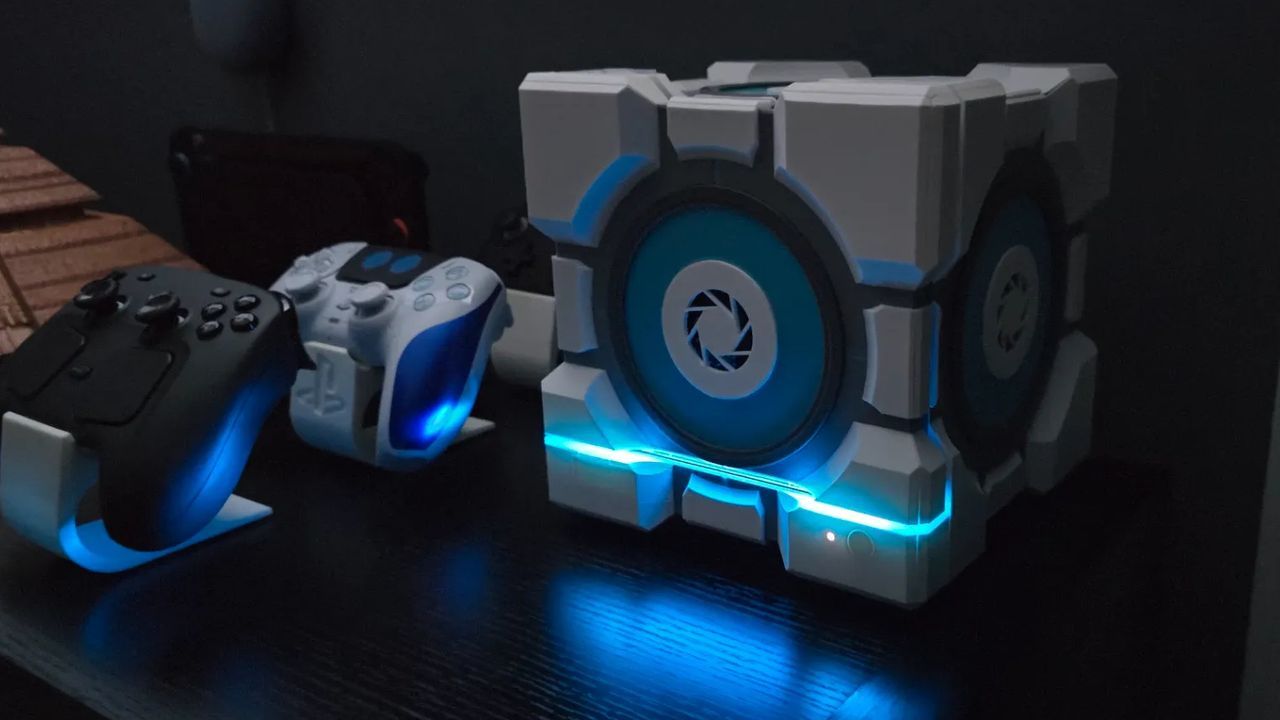
In the high-stakes world of gaming hardware and intellectual property, sometimes the most creative ideas are born out of necessity—and a little bit of frustration. When a major brand faces licensing hurdles, the community often steps in, turning corporate limitations into opportunities for boundless DIY ingenuity.
This dynamic tension was perfectly illustrated by the fate of dbrand’s popular Steam Machine Companion Cube. While the company poured thousands of hours into designing and manufacturing the cube, they ultimately had to shelve the project because they lacked the necessary permission from Valve, whose intellectual property governs the design.
But the spirit of the Companion Cube certainly didn’t die when the official route was blocked. Instead, a passionate 3D printing enthusiast stepped up and created an unofficial tribute: a DIY version known as the Steam Machine Companion Cube Case. This fan-made project is a testament to the power of community creativity, built entirely from scratch based on dbrand’s original design images.
For those interested in bringing this vision to life, the process involves a creative blend of digital design and physical craftsmanship. The DIY case can be printed using a single-extruder printer, with the ability to pause during printing to swap filament colors for that signature multi-panel look. While specialized slicers are needed to achieve the complex panel effect, Jaron has provided an extensive parts list of necessary screws, inserts, and magnets available from retailers like Amazon.
The assembly process requires more than just printing; it demands technical skill. Users typically require tools such as a soldering iron, tweezers, and screwdrivers to piece the complex structure together. Despite the complexity, Jaron’s detailed instructions and accompanying videos guide builders through every step of transforming the digital model into a physical reality.
Perhaps the most fascinating aspect of this project lies in its functional design. Builders are advised that while adding a printed shell can impact internal thermal performance, the design was engineered to ensure that no crucial airflow or vents are blocked—in fact, some designs suggest the additional faceplate vent might even aid cooling.
Meanwhile, Valve’s own Steam Machine has emerged as a compelling in-home console alternative. Priced at $1,049, this desktop gaming PC packs powerful components like an AMD Zen 4 six-core chip, RDNA3 graphics, DDR5 memory, and up to 2TB of SSD capacity, positioning it as a strong value proposition among PC hardware.
Ultimately, whether you are navigating the complex world of corporate licensing or engaging in open-source creation, the result is exciting. The DIY Companion Cube Case proves that passion and technical skill can bridge gaps left by official permission, offering enthusiasts a unique and rewarding way to interact with their favorite designs.
Credit