44 synths recreated down to the chip level
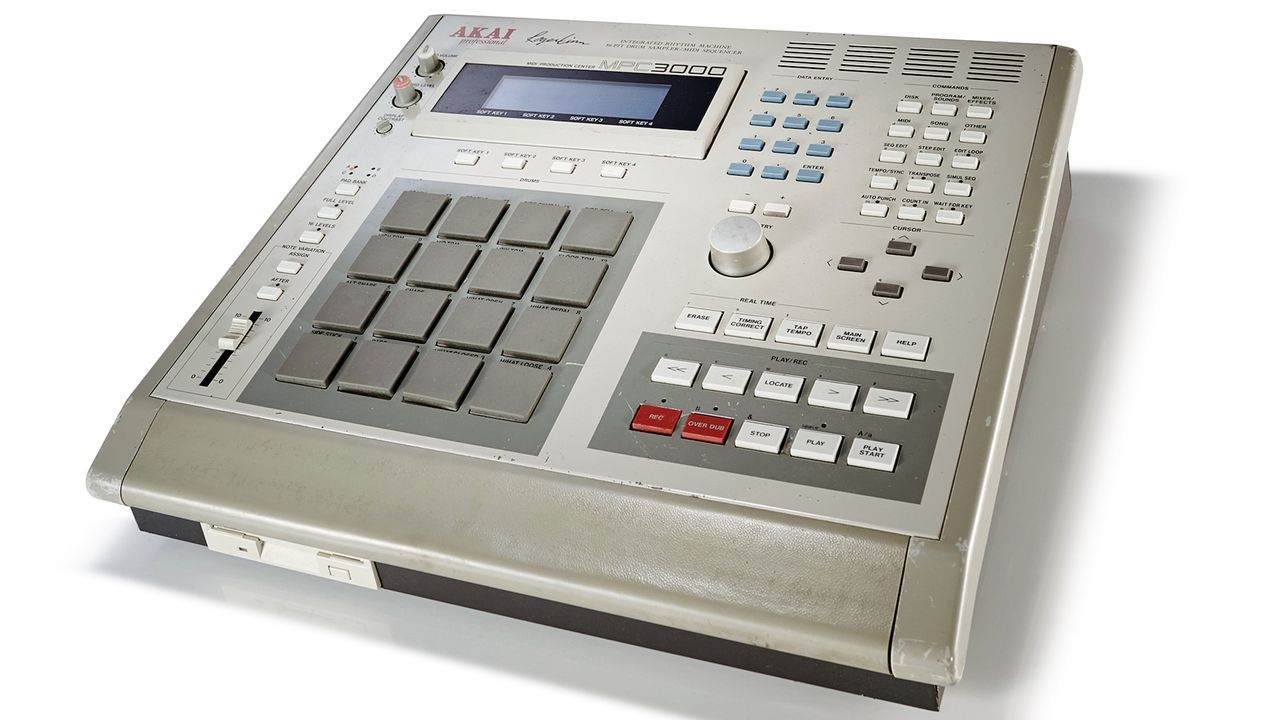
For those of us who live and breathe analog sounds, vintage gear, and the sheer joy of a perfect synth patch, a monumental development has just dropped. Audio software maker Autodafe has released the Vintage Emulator Studio (VES), a completely free synthesizer plugin that promises to shatter the boundaries of commercial offerings by offering breathtaking, component-level emulation.
VES achieves this magic by cleverly integrating the powerhouse synthesizer cores from the open-source MAME emulator into one neat package. This isn’t just a surface-level imitation; it’s a deep dive into the guts of the hardware. The plugin recreates the essential components—the processors, tone generators, filter chips, and converters—ensuring that the sounds you create are virtually indistinguishable from the original hardware.
The scope of this emulation is astonishing. VES boasts support for a total of 44 iconic synthesizers, including legendary machines such as the Akai MPC3000, the classic LinnDrum, the soulful Oberheim DMX, and the legendary Roland TR-707. These are machines that have defined genres, used by giants like Dr. Dre, New Order, The Police, INXS, and Prince.
What truly sets VES apart is its commitment to fidelity. Instead of relying on simple output or hybrid mixes, VES employs full component-level emulation. This means every critical element of the vintage machine is faithfully reproduced, aiming for a near-perfect emulation of the original gear, provided the necessary driver cores are in place.
Furthermore, the user experience is designed with the vintage aesthetic in mind. The interface features a skeuomorphic, HiDPI-ready design that replicates the original units’ control panels, dials, buttons, and LCD displays. While this makes the interface immediately intuitive for fans of the hardware, it might be a bit of a challenge for those unfamiliar with the original interface design—a classic case of prioritizing sonic perfection over modern “ease of use.”
The plugin doesn’t stop there. To complete the experience, VES includes emulation for peripheral devices like floppy disks, CD-ROMs, and other necessary hardware components. This holistic approach ensures that when you load a patch, you are not just getting a sound, but an entire functional system.
Now, for the reality check: as with any powerful emulator, there are a few essential details to keep in mind. To unlock the full potential of VES, users will need to provide their own ROM/firmware and any associated sample packs for the specific synthesizer. While obtaining this data is usually straightforward, navigating the legal landscape of owning original hardware can sometimes be a gray area.
There are also nuances in the emulation itself. While MAME’s cores strive for complete component-level accuracy, the level of work done on specific drivers varies. For example, while some emulations are nearly complete, others are newer and may require further development. This means the plugin is poised for frequent updates as the emulation cores continue to evolve.
Despite these potential hurdles, the achievement is undeniable. In theory, having one plugin that delivers output tracking exceedingly close to that of the original hardware across 44 different machines is an impressive feat. The Vintage Emulator Studio is now available for download in VST3 or AU formats for Windows, macOS Intel/M-series, and Linux, as well as as a handy standalone application.
Buy on Amazon
Credit
