$5000 saved on RTX 5090 laptop due to labeling error
In the high-stakes world of PC hardware, where prices for cutting-edge components are skyrocketing, finding an unbelievable deal can feel like winning the lottery. Recently, a European buyer seemingly secured the hardware bargain of the year by acquiring a premium laptop that was vastly more powerful than anticipated, proving that sometimes, sheer luck—or a simple labeling error—can lead to a steal.
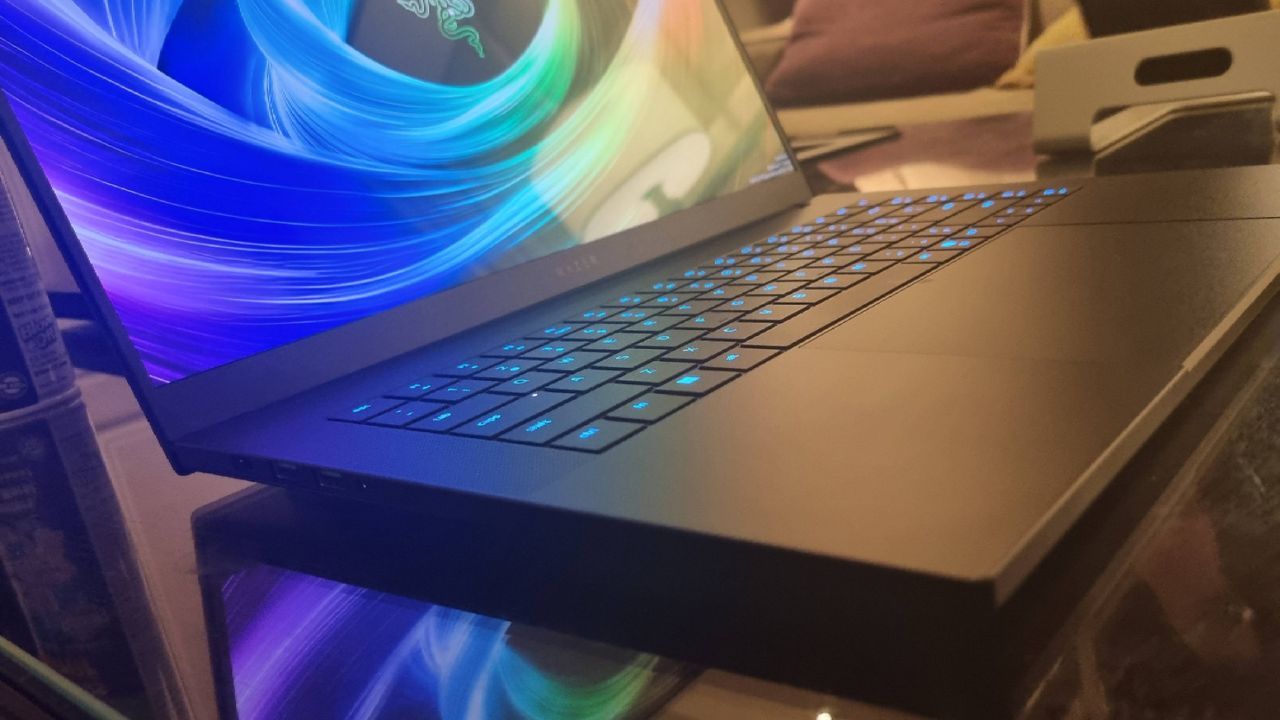
The story unfolds around a transaction involving a Razer Blade 18. While the public retail price for such a machine sits around €6,600, a fortunate buyer managed to acquire it for just €2,433. This incredible starting price already suggested a remarkable value, especially when you factor in the current crunch surrounding memory and storage costs.
What made this deal truly staggering was the configuration the buyer ended up with. Instead of the initial setup they secured, they received a machine loaded with seriously high-end components: an RTX 5090, 64 GB of memory, and a 2 TB SSD. This configuration is a massive upgrade from what the buyer initially paid for, making the difference in value mind-boggling.
To put the context into perspective, the original configuration featured an RTX 5080, 32 GB of memory, and 1 TB of storage. The upgrade in performance and capacity was significant, and when the buyer checked the official pricing for the new, powerful setup, they discovered the memory upgrade alone cost an extra €900 more than the price they had paid. It was, quite simply, a steal of the century.
This situation points toward a potential error at the point of sale. The matching labels on the Razer invoice and the hardware itself suggest that the vendor who supplied the machine may have simply mislabeled the specifications, leading to this unintended windfall for the buyer. It is a rare, yet startling, example of a mistake slipping through the cracks in the premium hardware market.
Razer continues to command a premium price for its Blade laptops, reflecting their exceptional build quality, stunning design, and powerful performance. Even with the current market pressures driving up the costs of memory and GPUs, the reputation for solid engineering remains undeniable. These machines strike a difficult balance between luxury design and intense technical specifications.
While the hardware itself is spectacular, the situation serves as a powerful reminder of the complexity of modern supply chains and pricing dynamics. It also shows that amidst the current hardware ‘memory crisis,’ there is still room for extraordinary deals, provided you are lucky enough to stumble upon them.
Buy on Amazon
Credit
