
$500B AI infrastructure funds: Nvidia teams with finance giants
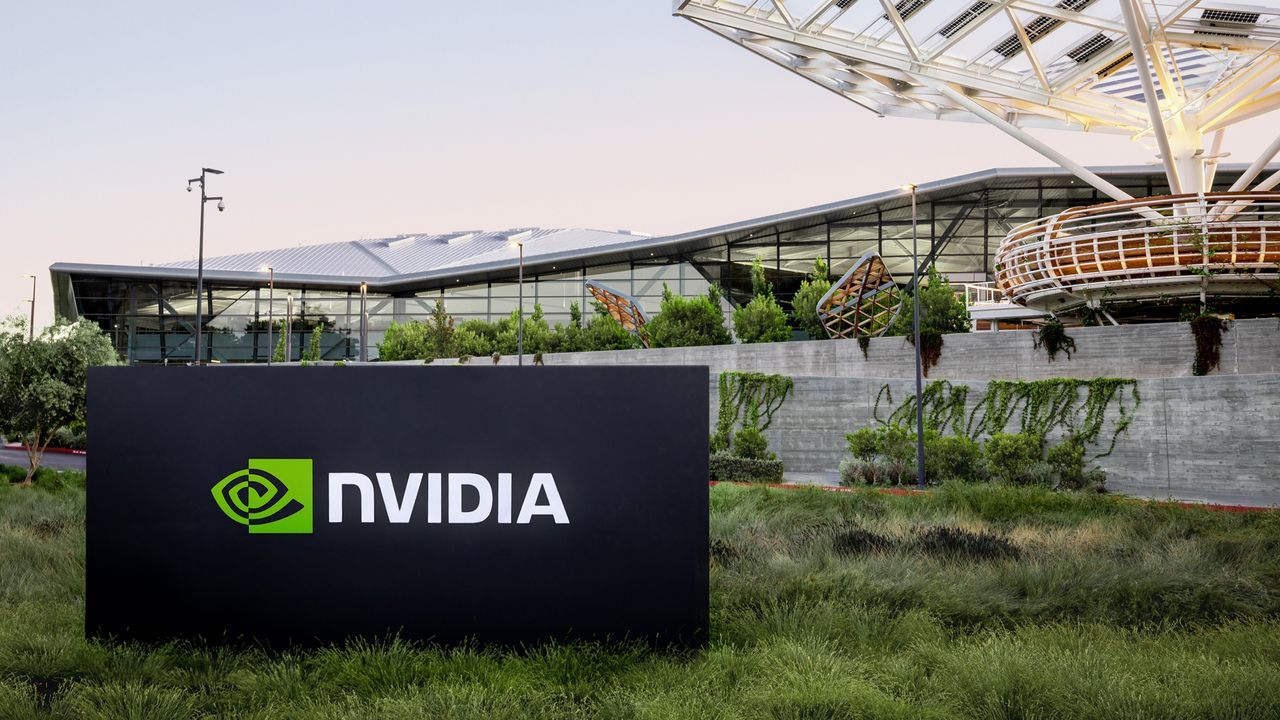
The race for Artificial Intelligence is less about flashy chips and more about securing the foundation—and that’s where a massive financial partnership is reshaping the landscape. Nvidia recently announced landmark memorandums of understanding with some of the world’s most powerful financial institutions, including Apollo, BlackRock, Goldman Sachs, Blackstone, Brookfield, and KKR.
The goal of these agreements is ambitious: to establish independent financing platforms capable of mobilizing more than $500 billion in third-party capital specifically for investing in AI infrastructure. This isn’t just a deal about hardware; it’s a strategic effort to ensure that the massive buildout of AI data centers—which Nvidia refers to as AI factories—can secure the long-term funding necessary for sustained growth.
By linking these global financial giants with Nvidia, the arrangement creates dedicated pools of capital aimed squarely at customers deploying Nvidia-based infrastructure. Rather than simply financing individual projects, Nvidia is leveraging these partnerships to enable access to attractive, long-term funding rates for clients building the next generation of AI computing.
This strategy reflects a profound shift in how the market views AI hardware. The financial partners are treating AI data centers not as conventional IT equipment but as long-duration infrastructure assets. This perspective is crucial because Nvidia‘s compute power, supported by its software ecosystem, is designed to generate revenue over an extended period, making it highly attractive for long-term investment.
“We are in a pivotal moment of a historic AI investment cycle,” noted David Solomon, Chairman and CEO of Goldman Sachs. He emphasized that Nvidia‘s full-stack platform is uniquely positioned at the center of this global buildout, creating a new market backed by credit tied directly to NVIDIA compute.
Nvidia’s leadership sees this collaboration as the necessary mechanism to power the future. Founder and CEO Jensen Huang stated that the focus has shifted beyond building chips to creating “AI factories.” He argued that Nvidia compute is uniquely suited for this role because it is flexible, fungible, and continuously improved through software like CUDA.
Ultimately, this arrangement aims to accelerate infrastructure adoption worldwide. While this partnership promises rapid expansion of AI technology, observers note the inherent risk involved in chasing exponential growth fueled by capital. There is a natural brake on overbuilding—the availability and price of capital—and integrating financing into the hardware cycle introduces an element of circular funding, reminiscent of the dot-com boom.
Despite these concerns about potential bubbles or the short economic life of specific chips, Nvidia continues to articulate its vision. By bringing together long-term capital providers, the company is positioning itself not just as a supplier of compute, but as the essential architect enabling the global AI infrastructure that will power every industry in the age of artificial intelligence.
Credit