
Hacker spoofs Delta Wi-Fi mid-flight pilots warn ground crew
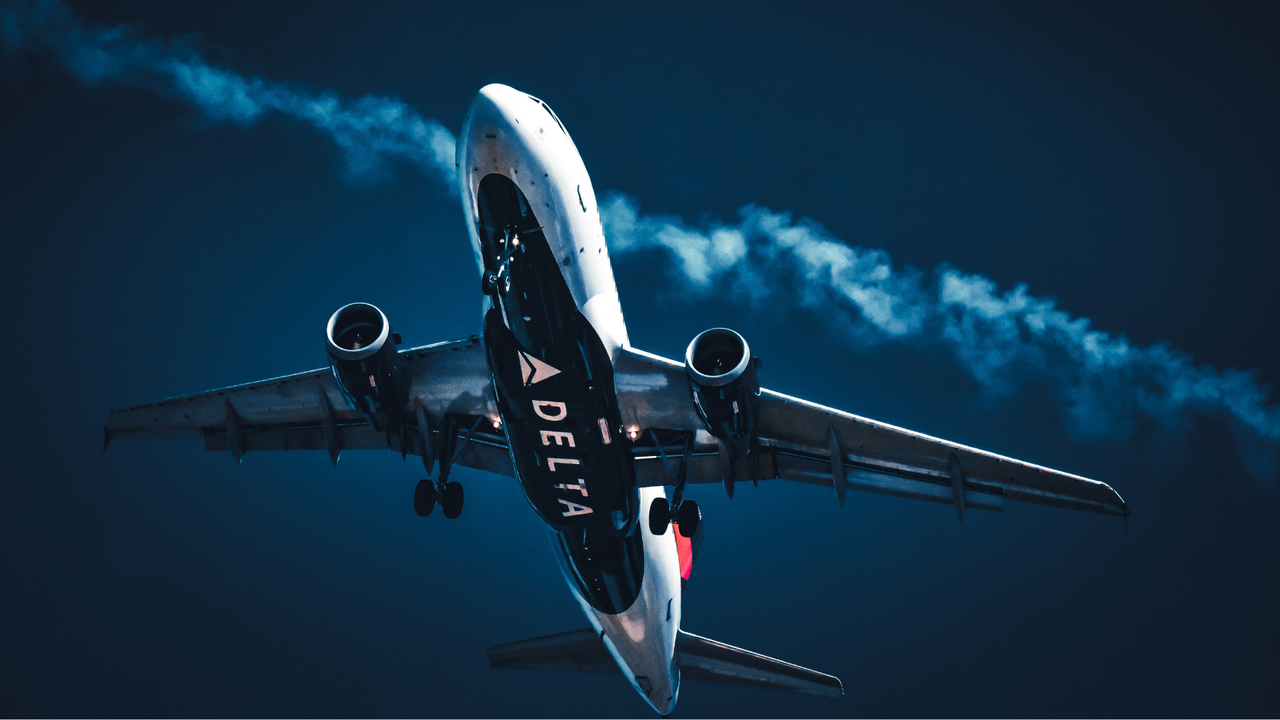
The pursuit of high-speed internet often comes with a hidden vulnerability. Recently, an in-flight Wi-Fi connection turned into a cybersecurity playground when Delta Flight 591 experienced an incident that brought the digital world right into the cabin.
On a routine trip from Las Vegas to Atlanta, passengers were unknowingly exposed to a sophisticated cyber stunt. An attendee, seemingly determined to spread some mischief beyond the confines of a convention hall, reportedly jammed the plane’s Wi-Fi signal. This wasn’t just simple interference; it was a carefully orchestrated attack designed to test the security of an increasingly common system.
The hacker quickly capitalized on this disruption. They established their own malicious hotspot, naming it “Delta WiFi Fast“, which acted as a gateway directing unsuspecting passengers toward a fake login page. This evil twin network was specifically designed to harvest Google credentials from anyone who attempted to connect.
The crew quickly recognized the threat and escalated the situation, communicating through ACARS—the digital system used for air-to-ground communications. The pilots alerted corporate security about the tampering, confirming that they were dealing with an attempt at passenger scamming rather than a simple technical glitch.
Investigators later determined that the culprit utilized advanced tools, including a Wi-Fi Pineapple penetration testing device. This sophisticated setup allowed the attacker to launch deauthentication attacks and create an evil twin network, effectively tricking other travelers into logging onto a fraudulent portal.
While interference with Wi-Fi is illegal under the FCC regulations, the real concern lies in the potential for identity theft. The fake log-in page could have been used to steal usernames and passwords through social engineering, exploiting the rising expectation of seamless in-flight connectivity as airlines adopt faster services like Starlink.
Despite the digital drama unfolding above the clouds, Delta swiftly reassured passengers that their safety was never compromised. The flight crew confirmed that the physical safety of the aircraft remained unthreatened, and all onboard operating systems were secure.
The airline emphasized that they are fully cooperating with federal law enforcement and aviation regulators to ensure a complete investigation is conducted. This incident serves as a stark reminder that even in the modern age of connected travel, the lines between Wi-Fi connectivity and cybersecurity security must be carefully guarded.
Buy on Amazon
Credit