
Xbox is doubling down on PC gaming how
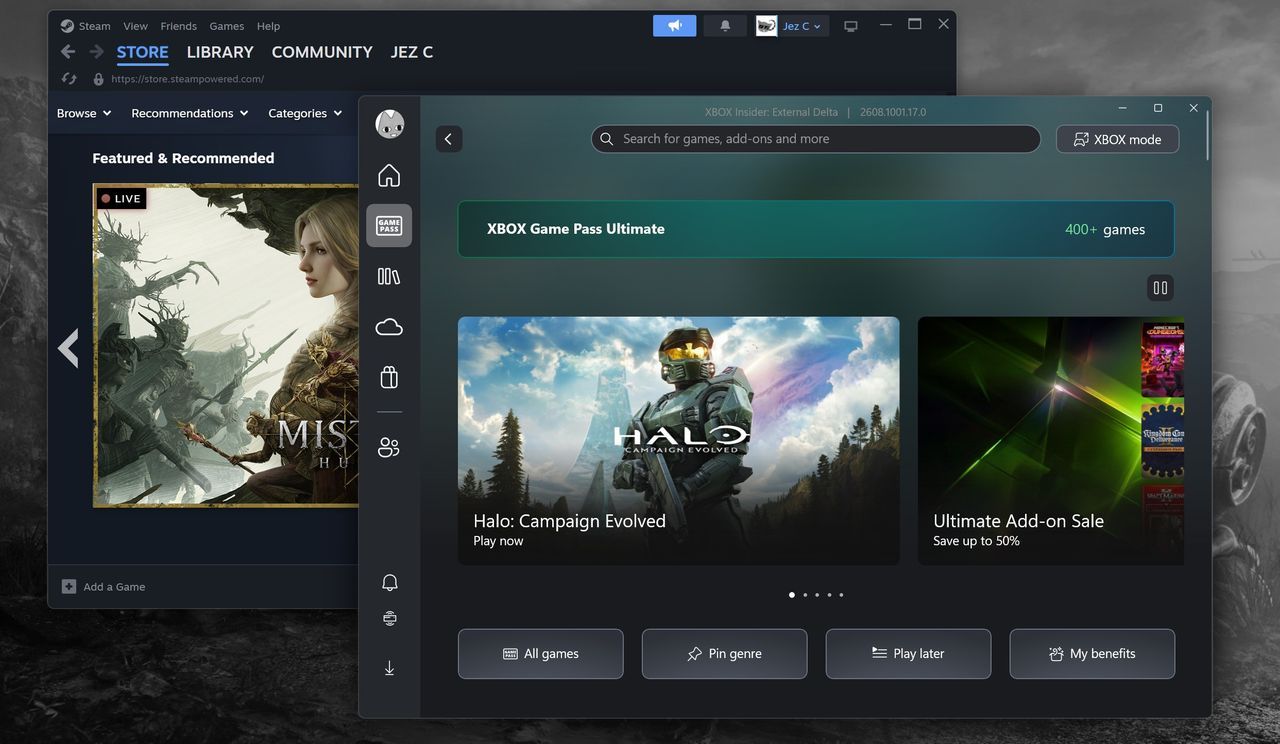
The digital gaming landscape is constantly shifting, and Microsoft, sitting at the heart of the ecosystem, is navigating this change with an eye on the prize. While whispers about abandoning Steam have circulated among news aggregates, the reality is far more complex: Microsoft isn’t planning to walk away from PC gaming, but they are aggressively reshaping how it interacts with consoles and their sprawling Windows platform.
The core of Microsoft’s strategy is clear—it’s about finding new ways to corner the lucrative PC market without completely undermining established platforms. This approach hinges on integrating the strengths of Xbox hardware, Game Pass, and the ubiquity of Windows itself.
Game Pass remains a powerful engine for this vision, designed to capture players who are keen on value over ownership, creating a separate, devoted audience that often seeks savings while enjoying access to an enormous library. This model allows Microsoft to engage PC gamers by offering incredible content accessibility that goes beyond traditional storefronts.
This focus extends deep into the operating system itself. With continuous investments in optimizing Windows 11 for gaming and pushing features like Xbox Mode across various devices, Microsoft is actively working to bridge the gap between console-style experiences and the PC desktop. The goal is to make the entire computing environment—from the operating system to the game interface—feel more cohesive and optimized.
To further cement this integration, projects like Xbox Helix are central to the future vision. This concept aims to transform gaming PCs into holistic experiences, blending console-quality features with PC flexibility. By focusing on where gamers already are, Microsoft is trying to make the transition between hardware and software seamless.
The relationship with third-party developers is another crucial pillar of this strategy. By planning to open up platforms like Battle.net to more content creators, Microsoft aims to foster a vibrant ecosystem that serves PC players, regardless of their primary console allegiance. This includes working with major publishers to integrate their stores directly into the Xbox ecosystem, offering players seamless access to content.
This synergy is already visible in cross-platform opportunities, such as allowing owners of certain Xbox Series X|S games to access their PC versions freely, creating a fluid experience that connects hardware across different environments.
Beyond new releases, Microsoft is quietly leveraging its history in digital preservation. Initiatives like the planned Positron platform demonstrate an ambition to bridge the gap between console and PC by turning disc-based games into digital licenses. This system promises to unlock vast libraries of older titles, offering a path for PC gamers to enjoy classic games through modern systems.
The commitment to backward compatibility extends further, with plans to expand emulation features onto PC. This includes bringing older Xbox titles, and potentially even some Xbox 360 classics, into the PC realm. This move helps close gaps in the fragmented PC market, giving gamers access to a wealth of history that often remains locked away on consoles.
While the vision is expansive, the path forward requires refinement. The current experience on the Xbox PC store, particularly for indie developers and certain legacy titles, still faces challenges regarding performance and integration polish. However, by prioritizing developer options and focusing on delivering a cohesive, cross-platform experience powered by Windows, Microsoft is building an increasingly compelling destination for the next generation of gamers.
Buy on Amazon
Credit

