
Xbox prices soar up to £200 due to shortages
The Price of Play: How the AI Boom is Fueling Console Cost Hikes
The gaming world is currently navigating a new financial reality, where the cost of entry into the digital arena is climbing faster than ever. Reports confirm significant price increases for Xbox consoles across the UK and Europe, setting a new benchmark for hardware costs as consumers grapple with the escalating expense of next-generation gaming.
These adjustments come just a week after news broke regarding similar hikes in the United States, signaling a broader trend that suggests the relentless demand for computing power—driven by the massive growth of artificial intelligence—is directly impacting the cost of gaming hardware. It seems that the unquenchable thirst for enhanced performance is translating directly into higher retail prices.
The root of this financial surge isn’t just market speculation; it’s a systemic issue fueled by the demands of the AI revolution. As the need for powerful computing extends to everything from data centers to gaming consoles, the foundational components necessary for these systems—such as RAM and SSDs—have experienced astronomical price hikes. This phenomenon has sparked what some are dubbing the RAMpocalypse.
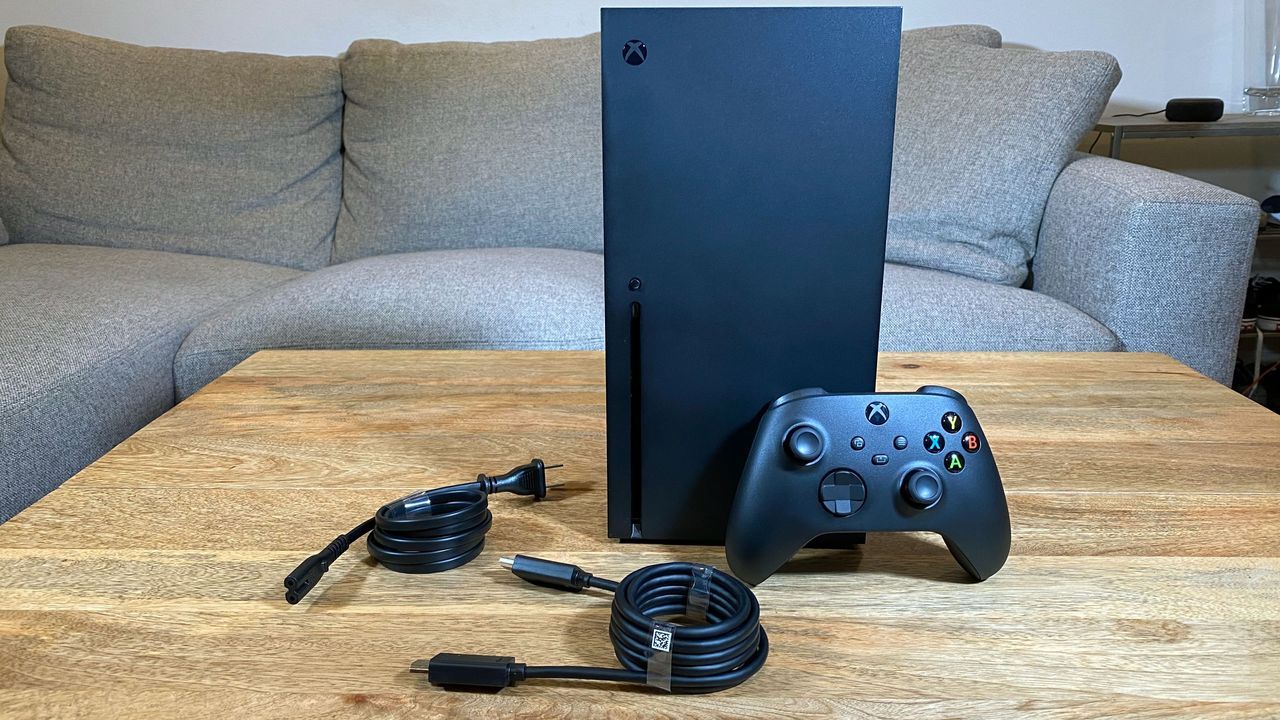
For console buyers, the most significant jumps are seen in the pricing of the most capable models. The Xbox Series X, for example, has seen substantial increases across major markets. In the United States, this flagship device now costs $799, up from its original launch price; meanwhile, in the UK, it sits at £669, and across Europe, prices have crept up to €799.
The increase is felt most acutely by those looking for the premium experience. Examining the full range of current pricing reveals a stark difference between platforms. For instance, when comparing entry-level models, the Xbox Series S (1TB) has jumped from $449 to $599 in the US market alone, demonstrating how quickly base costs are escalating.
The financial squeeze appears to be heaviest on European consumers. A price increase of approximately €200 converts to a roughly $230 jump, underscoring the pressure felt across the continent. While sales taxes naturally factor into these figures in the UK and Europe, the overall upward trend is undeniable.
This inflationary wave isn’t isolated to Microsoft’s hardware. Competitors are also feeling the pinch. Sony recently implemented a $100 price increase across all its PlayStation 5 SKUs in April, indicating that the gaming industry as a whole is facing similar cost pressures.
Furthermore, the PC gaming community is equally glum. Buyers looking to assemble their own powerful rigs or invest in console-killers like the Steam Machine and the increasingly popular Steam Deck are also seeing significant price increases for essential components. The cost of CPUs, GPUs, and memory has created a challenging landscape for those who want to experience cutting-edge technology.
Ultimately, what we are witnessing is a market where innovation thrives alongside escalating expenses. Console makers and hardware manufacturers are caught between the relentless demand for high-performance systems and the skyrocketing costs of the raw materials that power them. For gamers, this means balancing incredible technological advancement with increasingly steep financial hurdles.
Buy on Amazon
Credit

