
MSI unveils 4K OLED monitor using inkjet technology not from Samsung or LG
The Print Revolution: How Inkjet OLED is Challenging the Display Giants
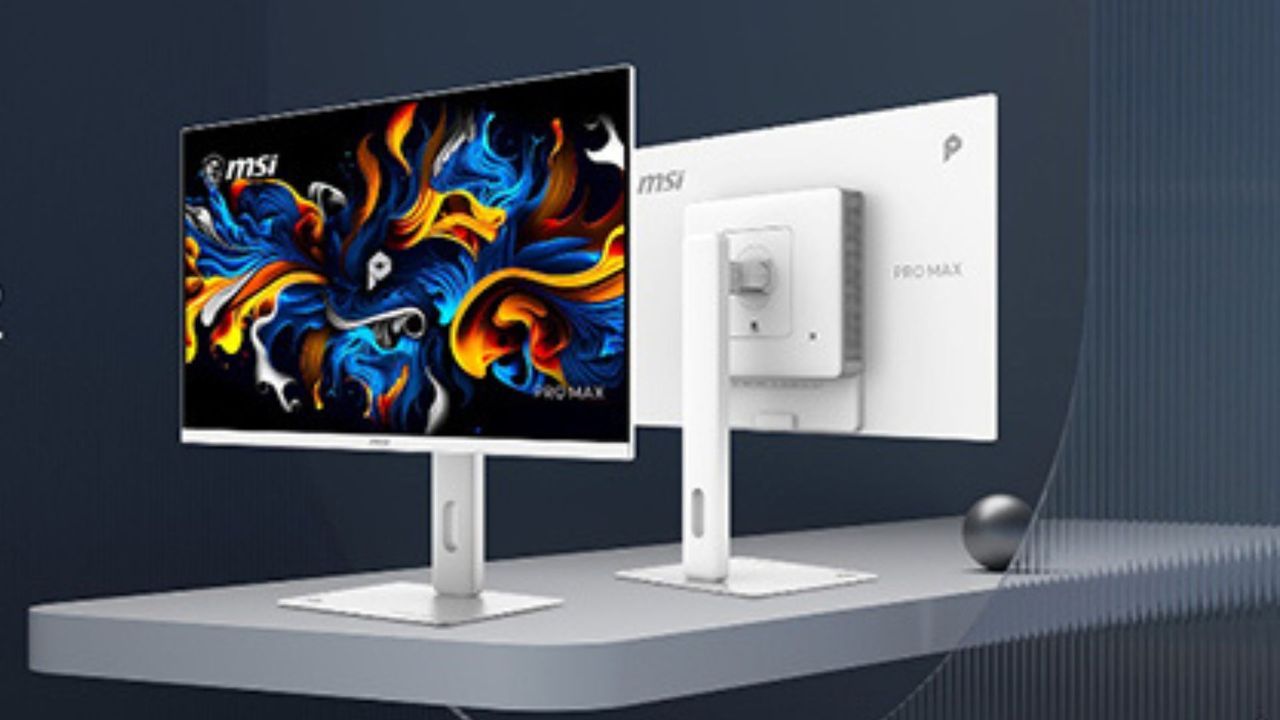
A new contender is entering the high-end display market, promising a seismic shift in how premium monitors are manufactured. MSI has unveiled its Pro Max OLED 271UPJW12, a display that leverages the emerging technology of inkjet printing to redefine the landscape of OLED monitors.
This isn’t just another set of specifications; it represents a fundamental change in manufacturing philosophy. While established leaders like LG and Samsung rely on traditional, complex deposition processes for their OLED screens, MSI is pushing the boundaries by employing a cheaper, high-speed inkjet printing method. This technological leap positions manufacturers like TCL to potentially burst into the market with highly competitive, high-end screens.
The real magic lies in what this process allows: manufacturing OLED panels more efficiently and affordably. For consumers and industry observers alike, this innovation promises a future where advanced screen technology is not solely dictated by the duopoly of Samsung and LG.
The new MSI panel itself packs impressive technical specifications. It boasts a 27-inch size with a stunning 4K resolution and a fast 120Hz refresh rate, making it capable of high-fidelity visual experiences. Beyond speed, the focus is clearly on color precision. The monitor achieves up to 1,000 nits peak brightness and features an optimized RGB stripe subpixel layout that MSI claims mimics the uniform structure of traditional LCDs. This design aims to eliminate unwanted color fringing, delivering superior image clarity.
For professionals prioritizing accuracy, this monitor excels. It offers 99% of the DCI-P3 wide color gamut with an exceptional Delta E ≤ 2 accuracy. This level of color fidelity positions the display perfectly for creative work, design, and demanding professional applications where precise color representation is paramount.
While the pursuit of speed often links monitors to gaming, this particular model emphasizes visual quality over raw speed, targeting a niche among professionals. It serves as a powerful demonstration that OLED technology can be optimized not just for reaction time, but for absolute visual truth.
Looking ahead, the impact of inkjet technology could be transformative. If this manufacturing approach gains traction, it has the potential to democratize access to high-quality OLED screens. We might see more budget-friendly options emerge, offering consumers a diverse range of choices outside the established high-cost bracket.
OLED monitors are already demonstrating their value in the broader market, with panels frequently appearing in the \$300 to \$400 price point. With new, cost-effective production methods like inkjet printing making premium displays more attainable, the expectation is that OLED technology will continue its ascent into mainstream acceptance, offering flexibility and competition for everyone.
Buy on Amazon
Credit