Microsoft Secure Boot was a busted lock for a decade
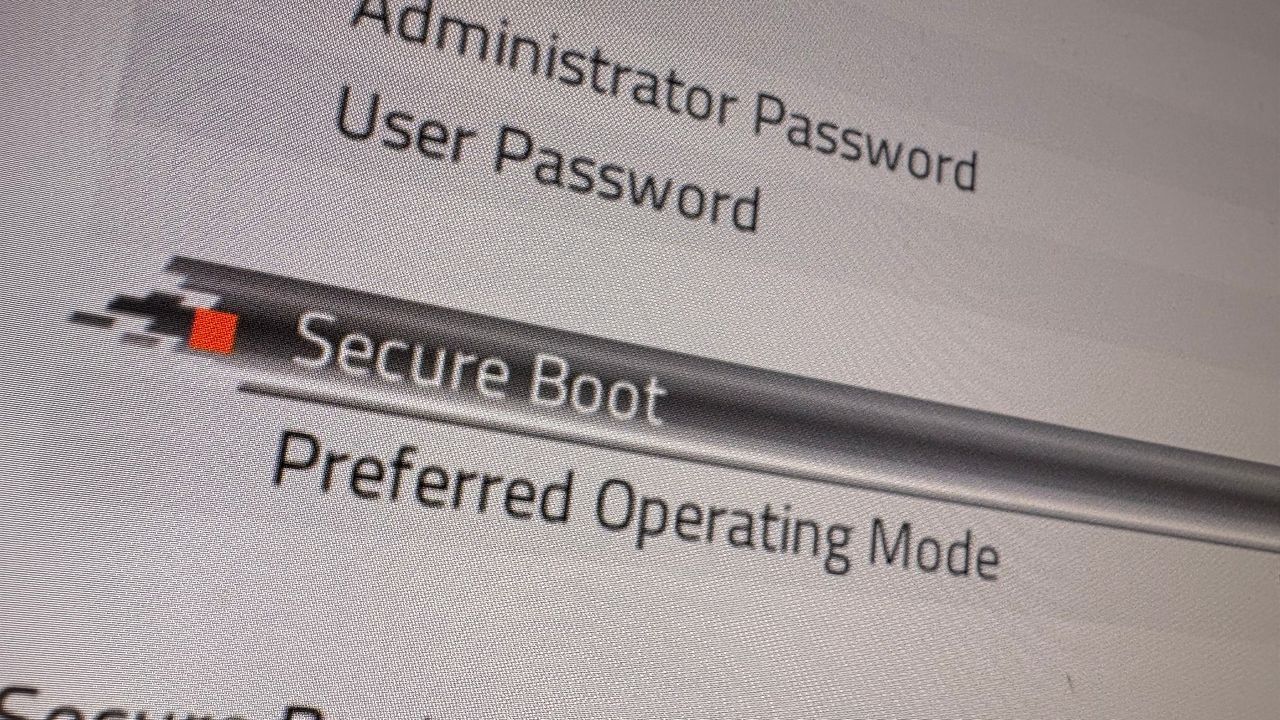
When we talk about modern cybersecurity and system integrity, there are often systems designed to be impenetrable. Microsoft’s Secure Boot is one such mechanism, a critical safeguard intended to ensure that only trusted software loads during startup, protecting the system from malicious firmware attacks.
However, behind this seemingly solid layer of protection lies a decade-long tangle of forgotten vulnerabilities. The reality is that for much of its existence, Secure Boot was effectively undermined by exploitable flaws in legacy boot components.
The trouble stemmed from UEFI shim bootloaders—small pieces of code designed to bridge the gap between the motherboard’s firmware and operating systems like Linux. While these shims were intended to extend Secure Boot support, they became the weak link.
These shim files often operated with permissions that allowed old system images to be exploited. Malicious actors could use these compromised bootloaders to bypass motherboard-level protections and execute dubious code right at system startup. This created a dangerous situation where even if you protected your main hard drive, the foundation of your system was vulnerable.
The insidious nature of the problem was that this malicious firmware could persist. Even if a user swapped out their hard drive or attempted a clean operating system reinstall, the compromised shim could survive, offering persistent access deep within the system architecture.
Researchers, including those at ESET, took time to uncover these issues, identifying eleven such vulnerable shims back in February. The fact that these flaws had been documented for so long, yet remained active without proper revocation of permissions by Microsoft, raises serious questions about oversight.
The concept underpinning this complexity is the Unified Extensible Firmware Interface (UEFI), which manages how hardware initializes and hands control over to the operating system during startup. Secure Boot relies on cryptographic certificates to verify the integrity of this loading process.
Shims, in this context, acted as necessary bridges, allowing Linux distributions to boot while respecting Secure Boot rules without requiring every single distribution key to be registered directly in the motherboard’s NVRAM settings.
The vulnerability extended across both Linux and Windows environments, affecting various tools and software packages that utilized these components. The issue was not limited to specific operating systems; bad actors could introduce their own copies of affected shims onto vulnerable systems, expanding the threat landscape significantly.
Microsoft finally addressed this loophole by revoking the permissions for these shim bootloaders in a monthly patch release during June. While timely patching is essential, the duration that these vulnerabilities existed and remained open underscores a significant oversight regarding system-level security protocols.
Buy on Amazon
Credit
