Big guns must drive Xbox exclusives
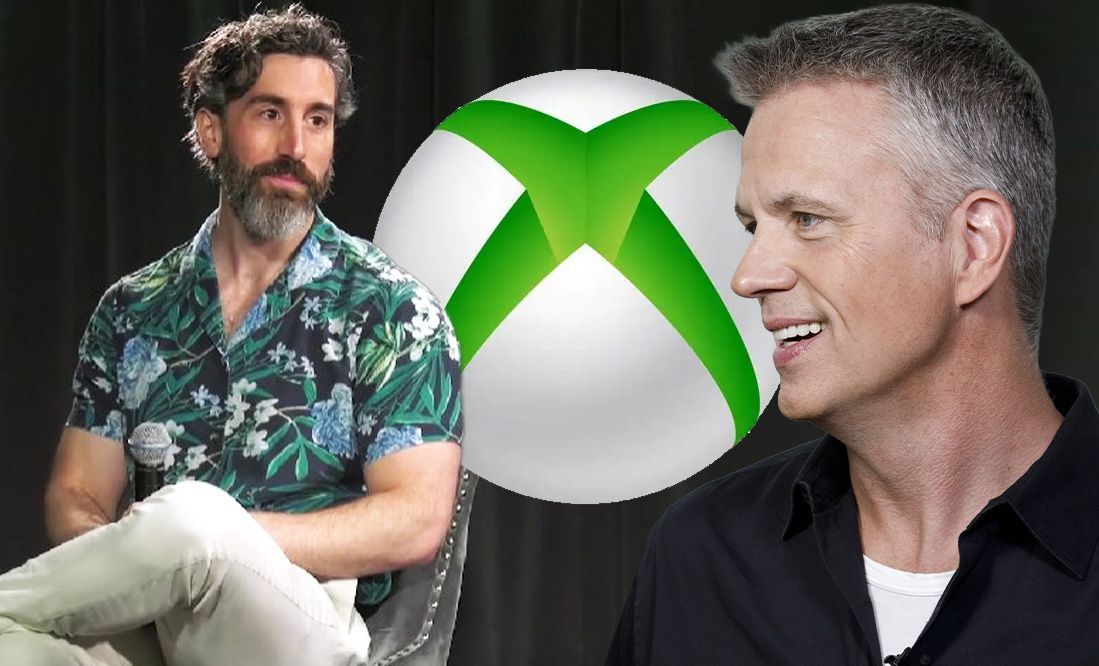
In a landscape where game exclusivity is the new currency, Microsoft’s strategy for Xbox has sparked more debate than ever. When asked about its roadmap for exclusive content, some of the C-suite executives offered mixed signals, leaving fans wondering if the ambition matches the economic reality.
Asha Sharma, the new Xbox CEO, immediately addressed the core concern: Xbox needs a reliable pipeline of exclusive games to grow its platform. Her focus was clear—cementing titles like Gears of War: E-Day and Clockwork Revolution as permanent console exclusives.
However, the conversation quickly deepened beyond these high-profile releases. Chief Strategy Officer Matthew Ball emphasized that having exclusive content is fundamental to building any successful platform. “To grow a platform like ours, you have to have exclusive games and services,” he stated, underscoring the necessity of moving beyond just two titles.
The question then shifted to which franchises should drive this exclusivity. Speculation suggests that massive, established intellectual properties are the only ones capable of making a real difference. Fans are keenly watching whether Xbox will pursue heavy-hitters like Fallout or The Elder Scrolls to capture significant market share.
While some suggest focusing solely on single-player games, others argue that the focus should be broader. The framework for selecting exclusives involves evaluating how different titles serve various purposes within the overall ecosystem, acknowledging Xbox’s vast portfolio of billion-dollar franchises.
The true challenge, however, lies less in franchise selection and more in economics. In the short term, Microsoft faces significant headwinds, including a hardware memory crisis and challenging console sales. Each unit sold incurs a loss even after price adjustments, making the cost of user acquisition increasingly difficult to manage.
This financial strain pushes executives toward a more pragmatic approach: selling games everywhere rather than betting solely on platform growth through console sales. The dilemma is clear—if Microsoft doesn’t absorb short-term financial pain, it risks creating a less workable long-term strategy.
Ultimately, the key to converting non-Xbox users into loyalists isn’t just new IP; it requires a coherent, visible strategy that sets expectations for the platform. Right now, the lack of widely known, massive franchises providing clear exclusivity creates uncertainty about Xbox’s ultimate vision for the future.
Buy on Amazon
Credit