60mph drones armed with pepper spray smash windows to stop school shooters
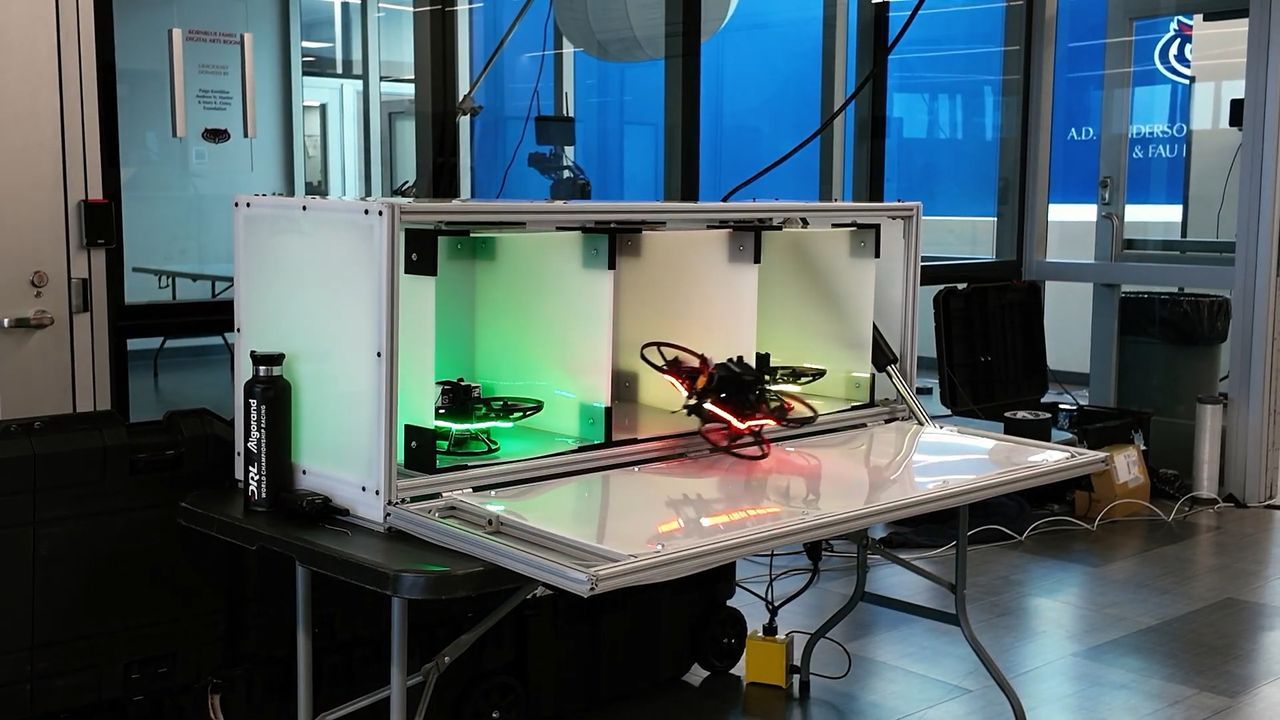
In a growing global arms race involving artificial intelligence and consumer technology, a new frontier is emerging in educational security: the deployment of autonomous drone systems within US schools. Mithril Defense’s Campus Guardian Angel drones are entering pilot programs across three states, aiming to tackle the pervasive threat of active shooter incidents and redefine school safety.
These cutting-edge systems are designed to provide an immediate, automated response to life-threatening situations. The concept involves strategically placing securely siloed drones around a campus. When triggered by a teacher via an application or panic button, these units rapidly deploy to combat attackers using a sophisticated combination of deterrents: strobes, sirens, pepper gel dispersal, and even 60 mph impact capabilities.
The goal is simple yet monumental: reacting with extreme speed to neutralize threats. Mithril Defense claims the system can reach a shooter in as little as 15 seconds. Founder and CEO Justin Marston emphasized that the first 120 seconds are “incredibly critical,” suggesting an ability to intervene precisely when violence escalates, potentially saving lives.
The potential impact is staggering. Since the Columbine tragedy in 1999, nearly 400,000 students have experienced gun violence at school. If successful, these drone systems could significantly lift the shadow of violence that hangs over American students, shifting focus from reaction to proactive prevention.
Pilot programs are already underway in Florida, Georgia, and Colorado schools. While ambitious, the rollout comes with significant questions about cost and implementation. For instance, the pilot program in Georgia requires $500,000 in backing, though state legislators have reportedly passed these budgets with ease.
Despite the technological promise, skepticism remains. Critics question whether funding should be prioritized for prevention measures rather than sophisticated defense technology. There are also valid concerns about potential pitfalls; opponents worry that military-style drone systems might misidentify students or protection officers under high-stress conditions, and others argue that simple security measures, like locked doors, offer a more practical solution.
Ultimately, the true measure of the Campus Guardian Angel system will be its real-world performance. As these schools continue their trials this year, the focus shifts to whether these autonomous systems prove to be a reliable deterrent against violence, or if they remain merely an expensive addition to an already complex security landscape.
Buy on Amazon
Credit