$64k RAM cost in 1995 is now $140k today
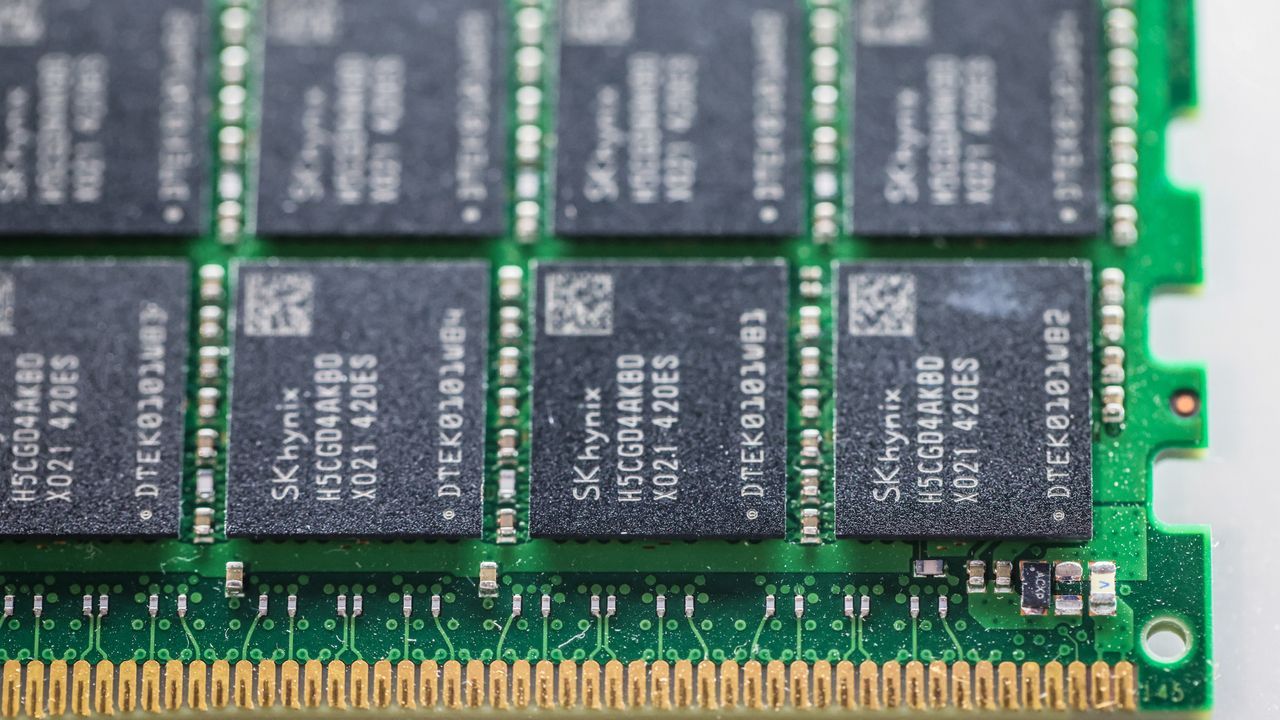
The economics of technology are always fascinating, especially when you look back at how ridiculously expensive things used to be. Take memory, for instance. A look at the 1995 press releases from memory manufacturers reveals a price structure that is frankly astonishing, suggesting that fitting a high-end machine with even a single gigabyte of RAM would cost as much as a house in today’s market.
The contrast is stark. In 1995, the cost of 8 MB of RAM was $399, or roughly $874 in today’s dollars. This perspective puts the entire era into sharp relief. For context, a 64 MB stick was priced at $3,900, translating to about $8,540 in current currency. If we extrapolate these figures, the cost of just 1 GB of RAM back then was reportedly $62,400.
To put that staggering historical cost into perspective, that $62,400 would have been enough to purchase a home in more affordable areas of the United States at the time. It’s a humbling reminder of how much the value we place on physical components has evolved.
While the historical numbers are mind-boggling, the current landscape of memory pricing is a completely different story. Today, while 16 GB of DDR5 memory might cost between $200 and $250, the market is anything but stable. The supply chain for memory components is incredibly volatile, marked by intense competition and significant shortages.
This instability is exacerbated by the demand for specialized components. As the industry pivots toward high-performance computing, major manufacturers are shifting production lines to focus on HBM (High Bandwidth Memory) for AI accelerators. This shift, while technologically necessary, is further straining the existing supply of standard consumer RAM.
Experts are still watching closely, with some suggesting that DRAM wafer shortages could persist well into the future. The complex interplay between manufacturing capacity, server contracts, and consumer demand means that even as technology democratizes into our pockets, the physical reality of component supply remains a major hurdle.
Ultimately, the journey from the memory costs of the 1990s to today’s highly volatile market tells a story of technological democratization. What started as an astronomical barrier for early computer enthusiasts has evolved into a world where nearly anyone can access powerful hardware. It’s a testament to innovation, but it also highlights the complex, often frustrating, economic realities behind the silicon.
Buy on Amazon
Credit