70% of Missouri voters recall councilman over AI tax breaks
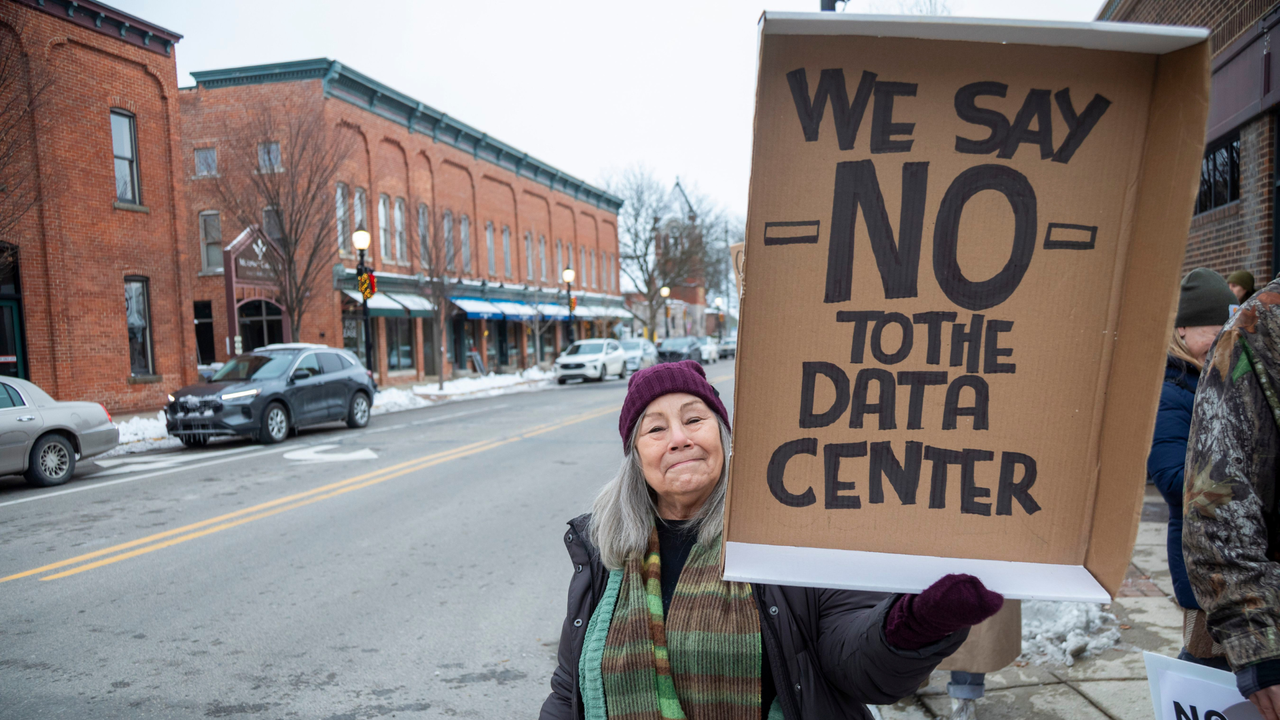
The pursuit of massive technological infrastructure often clashes dramatically with local democracy, and the recent political fallout in Independence highlights this tension vividly. City Council member John Perkins recently lost his seat after a special election, with a significant majority of voters deciding to oust him over his support for major data center developments.
The core of the dispute centered on tax breaks amounting to more than $6 billion approved for the construction of the Nebius data center in the area. While these developments promise economic growth and technological advancement, they sparked fierce opposition among many community members who felt the decision was made without sufficient public consensus.
Despite widespread campaigning by community groups against the project ahead of the March City Council meeting, the council ultimately voted 5-2 in favor of the data center approval. This outcome left Perkins as the third councilor to lose their position following this vote, alongside Jared Fears and Bridget McCandless, underscoring the depth of the public dissatisfaction.
For many residents, the decision felt less like a policy choice and more like a loss of democratic representation. One community voice captured the sentiment: “Politicians aren’t entitled to elected positions. They’re elected by the people to serve those people. When they stop serving the people they were elected to represent, they’re voted out of office.”
Perkins, however, stood by his position, emphasizing the importance of respecting electoral outcomes. Although the recall vote had massive support against him, the turnout was notably low, with only 11.5 percent of registered voters in Jackson County participating.
The resistance to these large-scale infrastructure projects is not isolated to Independence. Across the country, there is a growing trend of local governments and communities pushing back against data center expansion. This opposition, while sometimes straddling different political beliefs, often focuses on concerns over object-level local environmental impact and the pace of development.
A similar story unfolded in Festus, Missouri, where the community decided to redefine its local governance. In April 2026, the town ousted four of its eight city council members after they approved a 360-acre data center project, demonstrating a wider trend of public frustration with large-scale tech development.
This resistance has prompted a broader movement. The popularity of data centers is beginning to wane nationwide, with bans and moratoriums emerging in various towns, cities, and states. This growing public pushback, driven by environmental and local concerns, is increasingly threatening the plans of big tech companies seeking expansion.
Buy on Amazon
Credit