75% of PS3 games now run on PC via RPCS3 amid Sony’s plans
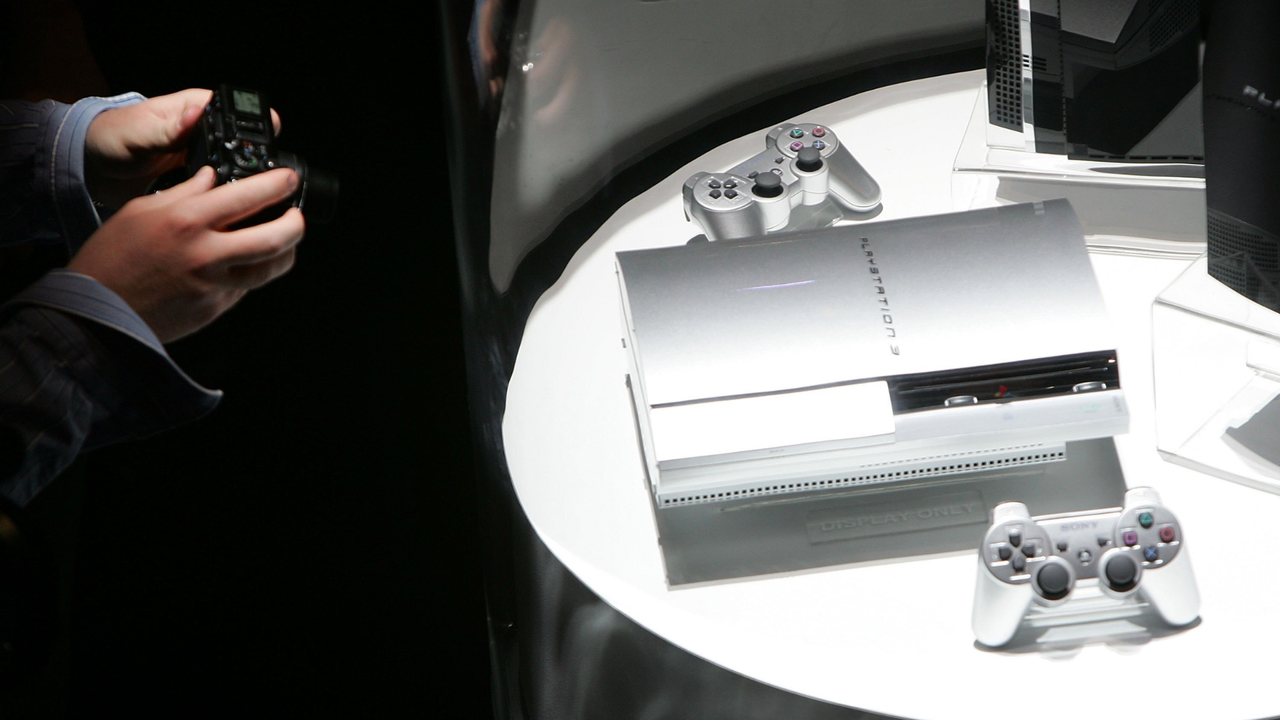
The digital library of PlayStation 3 games is facing an existential crisis, but thanks to dedicated open-source efforts, players are finding an incredible lifeline. A project called RPCS3 has demonstrated that the golden age of PS3 gaming isn’t going anywhere, ensuring that a massive majority of beloved titles can now be played on modern PC hardware.
The scope of this achievement is staggering: over 2,681 of the total 3,559 PS3 games are now compatible with RPCS3. This remarkable compatibility means that huge numbers of classic console experiences are no longer locked away behind aging physical discs. The goal of the developers isn’t just compatibility; it’s full preservation—to successfully restore and keep the entire PlayStation 3 library accessible to everyone.
This massive feat is accomplished not by a large corporation, but through the collaborative spirit of volunteers supported primarily by Patreon funding. The team has already surpassed 75% compatibility with the entire PS3 library, tackling the complex task of emulation one title at a time and working to solve performance puzzles for over a thousand remaining games.
What makes RPCS3 truly revolutionary is its versatility. It doesn’t exist in a vacuum; it operates across multiple operating systems, including Windows, Linux, macOS, and FreeBSD. Furthermore, by supporting both x86 and arm64 architectures, the emulator opens up gaming possibilities far beyond traditional desktop setups. This means that fans can seamlessly run their PS3 library on everything from powerful PCs to the latest handheld gaming devices.
The implications of this compatibility are huge, especially given the broader shifts in the gaming industry. As Sony moves toward ending physical game disc production by 2028 and shutting down services like the PlayStation Store for PS3 systems, the ability to access legacy games digitally becomes paramount. RPCS3 acts as a powerful tool in ensuring that this rich digital history endures.
Emulation has often sparked controversy among publishers who worry about intellectual property and performance integrity. Yet, the RPCS3 community has successfully countered these concerns by proving that high-fidelity emulation can deliver stellar performance. The project isn’t just about playing games; it’s about technological innovation. Recent work has shown that newer versions of the emulator are achieving significant boosts in speed, offering players up to a 5% to 7% improvement in FPS numbers compared to previous builds.
This pursuit of performance is not just theoretical. Benchmarks have shown remarkable results, including hitting over 1500 FPS on titles like the Minecraft title screen. This demonstrates that cutting-edge emulation isn’t a compromise; it’s a breakthrough that pushes the boundaries of what emulation can achieve, ensuring that nostalgic gaming memories remain vibrant and playable for years to come.
Buy on Amazon
Credit