A20 Pro beats Intel i9 and Ryzen 9 in single-core test
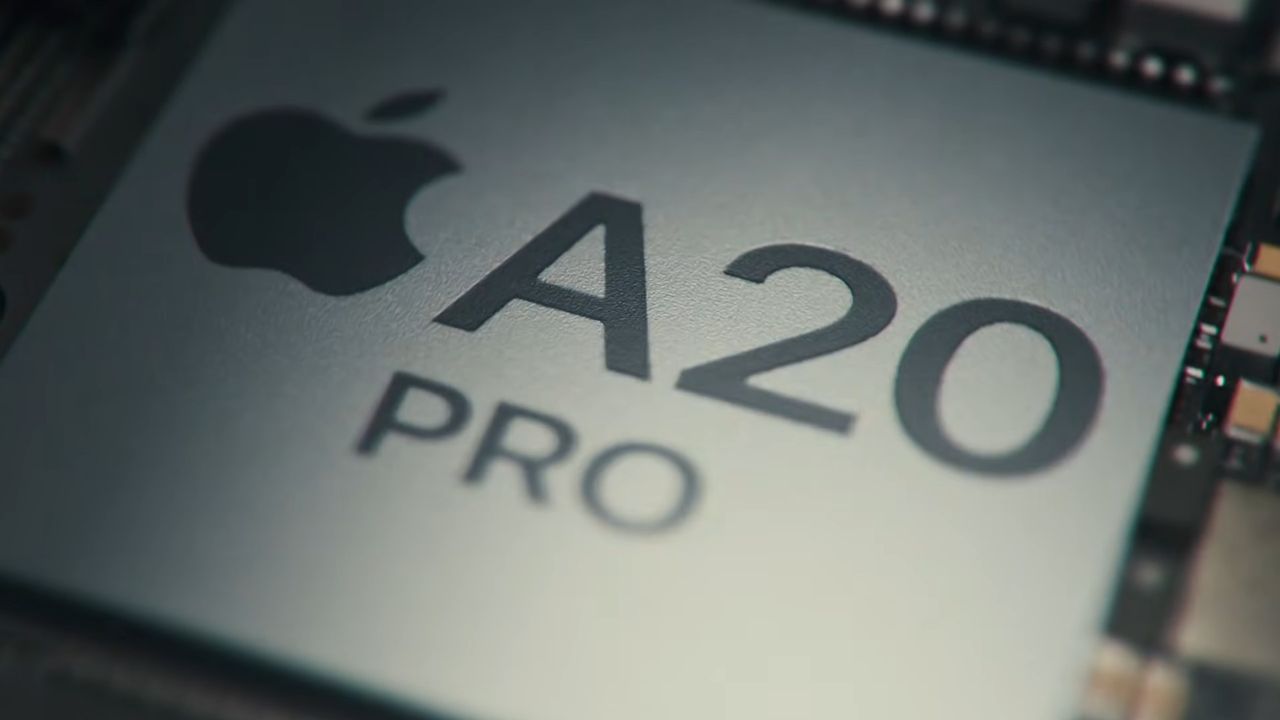
Apple’s A20 Pro: How a Smartphone Chip Redefined the Rules for Desktop Performance
The latest generation of Apple’s mobile processing power, the A20 Pro application processor (AP), isn’t just an incremental upgrade; it’s a genuine performance jolt. By pushing architectural boundaries and clock speeds, this System-on-Chip (SoC) doesn’t just boost performance generationally—it actively challenges the dominance of traditional desktop CPUs from AMD and Intel.
In the single-thread Geekbench 7 benchmark, the A20 Pro sets a new record, demonstrating superior performance by up to 32% compared to leading desktop CPUs. While multi-threaded workloads still favor high-end desktop chips, the A20 Pro’s efficiency and speed mean it outpaces mainstream laptop CPUs even when managing numerous threads.
This competitive edge isn’t just theoretical. When stacked against high-end competitors like Qualcomm’s Snapdragon 8 Elite Gen5 and Xiaomi’s XRing O3, the A20 Pro’s single-thread advantage stretches into the 31.5% to 33.7% range. These rivals, despite their complexity, are essentially performing on par with Apple’s two-year-old A18 Pro in single-thread tasks.
The real magic lies in the chip’s innovative architecture. Unlike previous generations, the A20 Pro packs two ‘super’ desktop-class general-purpose cores, clocked up to 4.93 GHz. This design, coupled with a revolutionary memory interface that delivers 50% higher memory bandwidth than its predecessor, unlocks massive performance potential.
This enhancement allows the A20 Pro to deliver performance that rivals existing laptop CPUs. While its six-core design means it cannot match the multi-threaded prowess of ten-core counterparts, the chip still demonstrates impressive multi-thread capabilities, significantly outperforming rivals like the Dimensity 9400 and Google’s Tensor G5.
When viewed against Apple’s own evolutionary path, the performance gains are staggering. The A20 Pro achieves a 23.3% boost in single-thread performance and a 27.1% increase in multi-thread performance over its immediate predecessor, the A19 Pro. This shows a clear trajectory of rapid advancement, where every generation brings a substantial leap forward.
The shift to Apple’s new 2nm smartphone SoC, built on TSMC’s N2 process technology, is the foundation for this leap. This transition, driven by the integration of ‘fat’ super cores and a massively improved memory subsystem, provides the raw horsepower necessary to redefine what a mobile processor can achieve. As Apple continues to refine the GPU and NPU within this new architecture, the A20 Pro stands as a compelling example of how mobile silicon is closing the gap with the desktop.
Buy on Amazon
Credit