Acer Predator Helios NEO 16S AI in action review
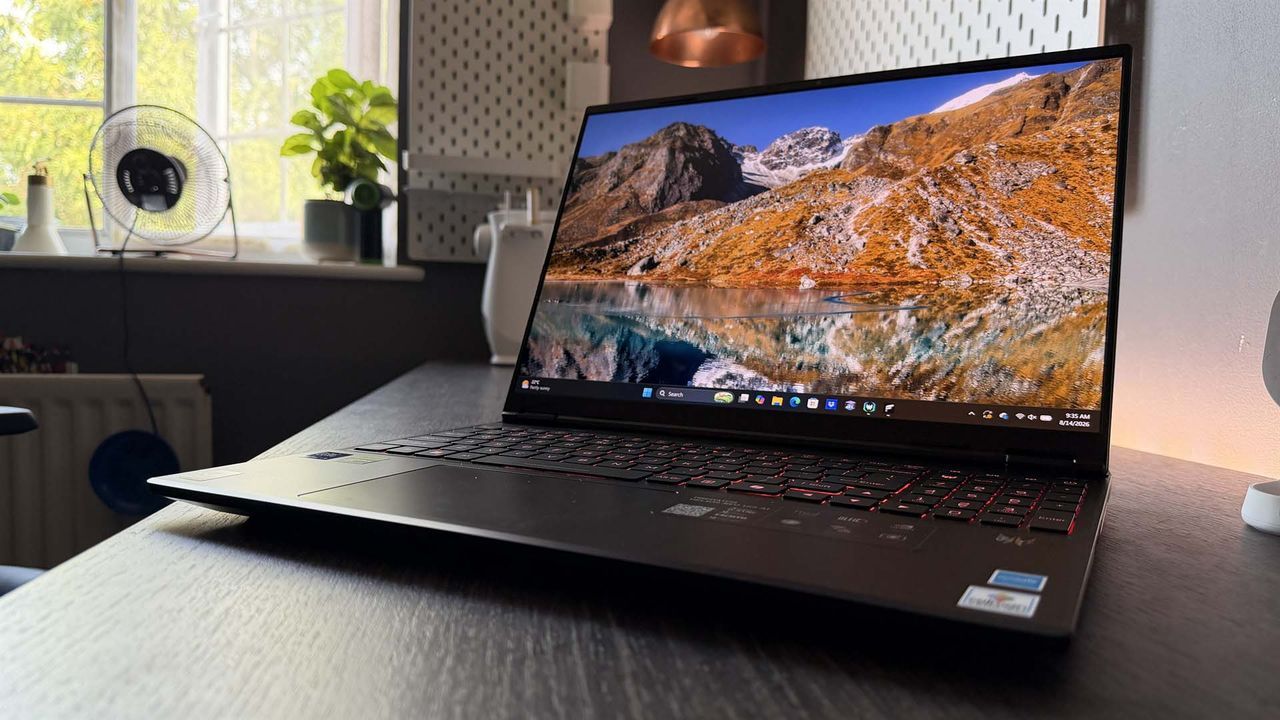
This text provides a detailed, analytical comparison of various gaming laptops, primarily focusing on the trade-offs between chassis design, thermal management, performance, and battery life.
Here are the key takeaways synthesized from the provided text:
1. Thermal Management and Performance Bottleneck
The central theme is the relationship between laptop design and thermal performance:
Chassis Size Matters: Larger chassis (implied with Lenovo) allow for superior cooling, enabling the CPU and GPU to sustain higher clock speeds longer without thermal limits.
Thermal Throttling: The smaller, slimmer chassis of the Predator Helios Neo creates a constraint on the cooling system, causing the chips to thermally throttle. This throttling is not due to the chips themselves but due to the cooling capacity reaching its ceiling, forcing the system to reduce speeds to prevent damage.
Power Limits: Specific power ceilings (like the 115W limit for the RTX 5080 in the Helios Neo) further restrict performance, especially when the CPU attempts to operate at full capacity in demanding titles.
2. Design Trade-offs and Battery Life
The text argues that the design choices lead to disappointing real-world results:
Poor Battery Life: Benchmark tests (PCMark 10) reveal poor battery longevity for some models, with the Helios NEO only lasting 53 minutes in a test.
Design vs. Function: The author concludes that the slim design of the Helios Neo, while aesthetically pleasing, is a poor trade-off for functional performance and battery endurance.
3. Performance and Creator Scores
When looking at raw compute power for creative tasks, the results are mixed but point back to the thermal constraints:
CPU Performance: CPU scores (Cinebench, Blender) were found to be astonishing, but the overall performance was clearly bottlenecked by the cooling system.
Ironic Similarity: The author notes the irony that Lenovo’s “quiet” gaming profile is similar to Acer’s gaming mode, despite the thermal differences.
4. Final Critique
The overall message is one of frustration with the current ecosystem: the author criticizes the cascade of minor decisions (RAM configurations, varied GPU wattages, design choices) that ultimately lead to a diminished user experience, emphasizing the sentiment that “form came before function.” The author ultimately suggests opting for a lower-spec GPU (like the 5070 Ti) to achieve better battery life and cooler performance at a lower price point.
Buy on Amazon
Credit