Acer’s hybrid handheld concept is cooler than current releases
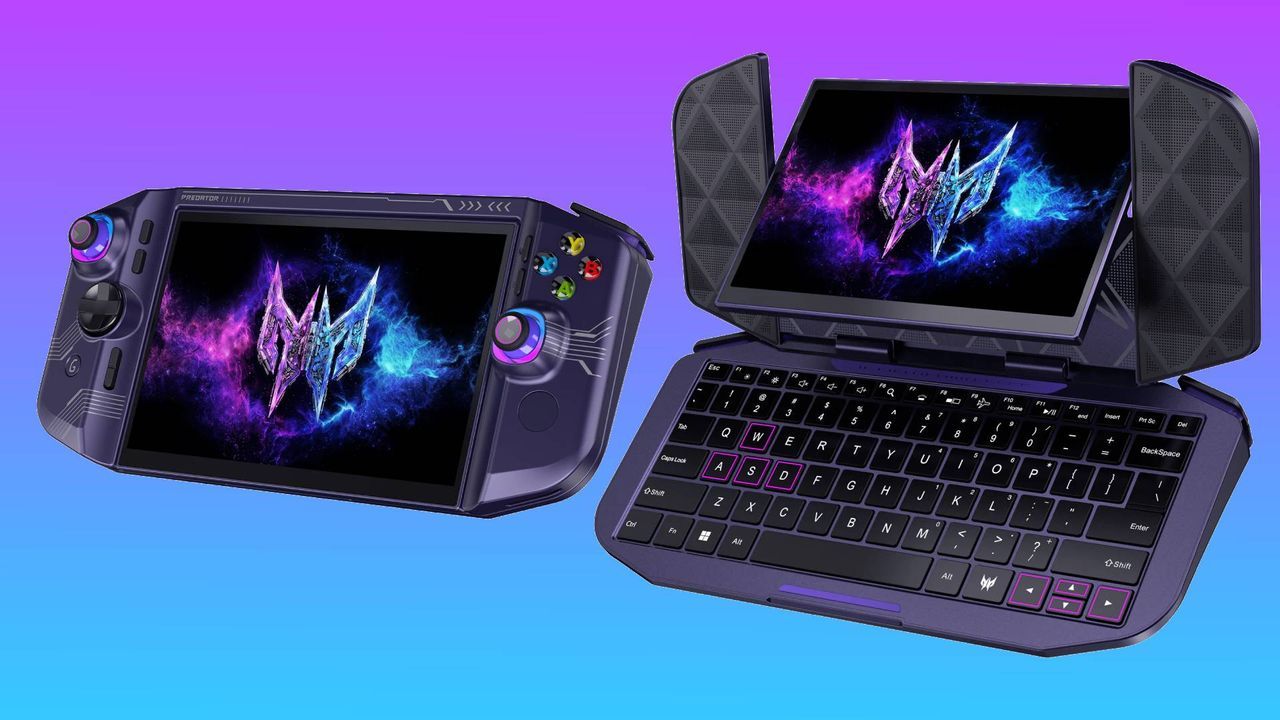
The handheld gaming PC market is a battlefield of high specs and even higher prices, but amidst the expensive landscape, innovation is throwing some seriously cool concepts onto the table. Acer is leading the charge, not just with powerful hardware, but with a design philosophy that aims to redefine what a gaming handheld can be.
The centerpiece of this creative vision is the Project DualPlay Mini, a handheld gaming PC designed to seamlessly transition between gaming and productivity. This concept challenges the traditional boundaries of handheld devices, exploring a form factor that functions equally well as a gaming companion and a mobile workstation.
While the DualPlay Mini is currently a dazzling concept showcased at events like IFA 2026 in Berlin, it sets a new benchmark for what’s possible in mobile computing. The core idea is simple: a device that merges portability with powerful functionality, offering a truly multi-functional experience.
This ambitious vision is grounded in real-world hardware development. The tangible realization of Acer’s approach is the Predator Atlas 7, a refined version of their existing handheld lineup. This model steps in as a cut-down, highly optimized version of the larger Predator Atlas 8, proving that powerful performance doesn’t require unnecessary bulk.
The Atlas 7 manages to pack serious power into a sleeker package. It features a seven-inch touchscreen that delivers a smooth 120 Hz refresh rate and a dazzling 500 nits of peak brightness, ensuring vibrant visuals even in demanding conditions. Under the hood, it is equipped with Intel Arc B390 graphics and the Intel Arc G3 Extreme processor, providing the requisite performance for intense gaming.
Beyond the display and processor, Acer has paid close attention to thermal management, understanding that powerful components need smart cooling. The Atlas 7 utilizes the Predator AeroBlade cooling system, which features both a plastic fan and a thinner, metal fan with 89 blades. This advanced design is engineered to boost airflow, claiming up to a 10% increase in cooling efficiency, ensuring sustained performance without overheating.
The focus on efficiency is critical, especially when considering the economics of high-end hardware. While the performance metrics are impressive, the broader market context reminds us that the cost of components, particularly memory and storage, continues to drive up the price of these premium devices. Even if the Atlas 7 features up to 24 GB of LPDDR5x memory, the final retail price will inevitably reflect the current memory supply crisis.
Ultimately, the brilliance of the concept lies in its potential to merge functionality with form. The DualPlay Mini remains the flashiest idea, pushing the boundaries of design. Whether it makes it into widespread commercial availability depends on balancing groundbreaking innovation with the current economic reality of the tech industry.
Buy on Amazon
Credit