Adaptive Joystick changes gaming access as Microsoft efforts slow down
Gaming has long been defined by precision and speed, a realm where minute adjustments translate directly into victory. But for many players, this pursuit often comes with physical barriers. For some, the standard controller offers only limited interaction; for others, the simple act of aiming or navigating feels cumbersome, especially when physical limitations are involved.
This challenge became acutely personal for one user who sought a way to bridge the gap between physical capability and digital engagement. Seeking tools that offered true dexterity, this individual looked beyond conventional input methods and discovered the potential of specialized hardware designed for inclusion.
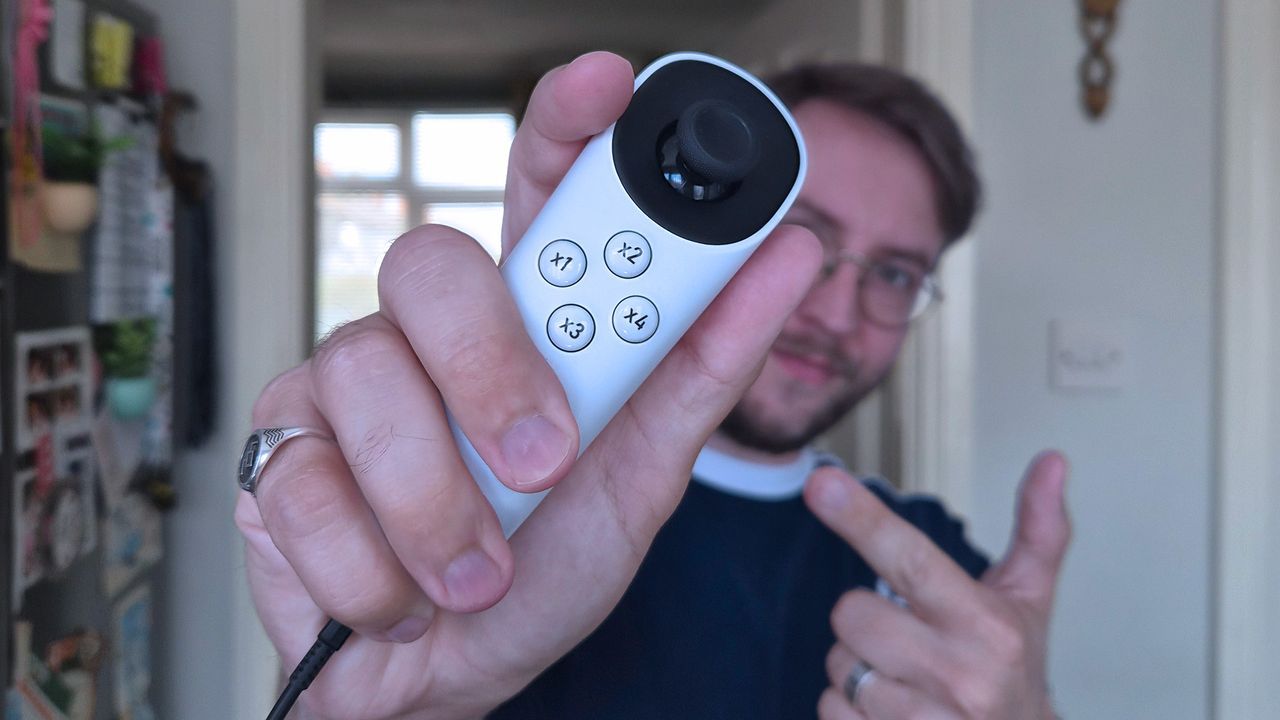
At the heart of this journey was the development and availability of the XBOX Adaptive Joystick. Designed to provide greater control and comfort, this device offers a solution for those who find traditional controls awkward or insufficient for deep immersion in games.
The innovation addresses a crucial need by allowing users to map their physical movements directly to game functions, offering a more intuitive and precise way to interact with the digital world. Whether navigating a sprawling MMORPG or engaging in fast-paced competitive play, having precise control is paramount.
However, as technology evolves, so too must the infrastructure supporting it. A significant tension exists between cutting-edge hardware innovation and broader corporate decisions. Recently, Microsoft initiated a substantial restructure, resulting in the reduction of thousands of roles across the organization. While hardware development appeared to remain focused on innovation, questions arose about how this sweeping change impacted accessibility programs.
The focus on innovation often diverts attention from the essential support systems that ensure all users can participate fully. Reports indicated that these changes reportedly affected Microsoft’s Gaming Accessibility Testing Services and eliminated some of the experts dedicated to compliance and testing for Xbox sites.
This shift places accessible gaming hardware in a precarious position, leaving those who rely on specialized tools in a state of uncertainty. Despite the existence of the Adaptive Joystick, it remains available for purchase, underscoring the need for continued commitment to inclusive design and support within the industry.
The joystick itself is a testament to flexible engineering. It is not wireless, requiring a physical connection, but its versatility is undeniable. It offers various mounting options via a screw thread and allows every face button to be mapped to custom functions through tools like the XBOX Accessories App or Steam Input.
Ultimately, the story of the Adaptive Joystick is more than just a piece of peripheral hardware; it is a reminder that true innovation in gaming extends beyond graphical fidelity. It highlights the crucial need for corporations to ensure that tools designed to make gaming accessible and enjoyable are not forgotten amidst large-scale organizational changes.
Buy on Amazon
Credit