Adjust PCB Resistors to Unlock 22GB VRAM on RTX 2080 Ti
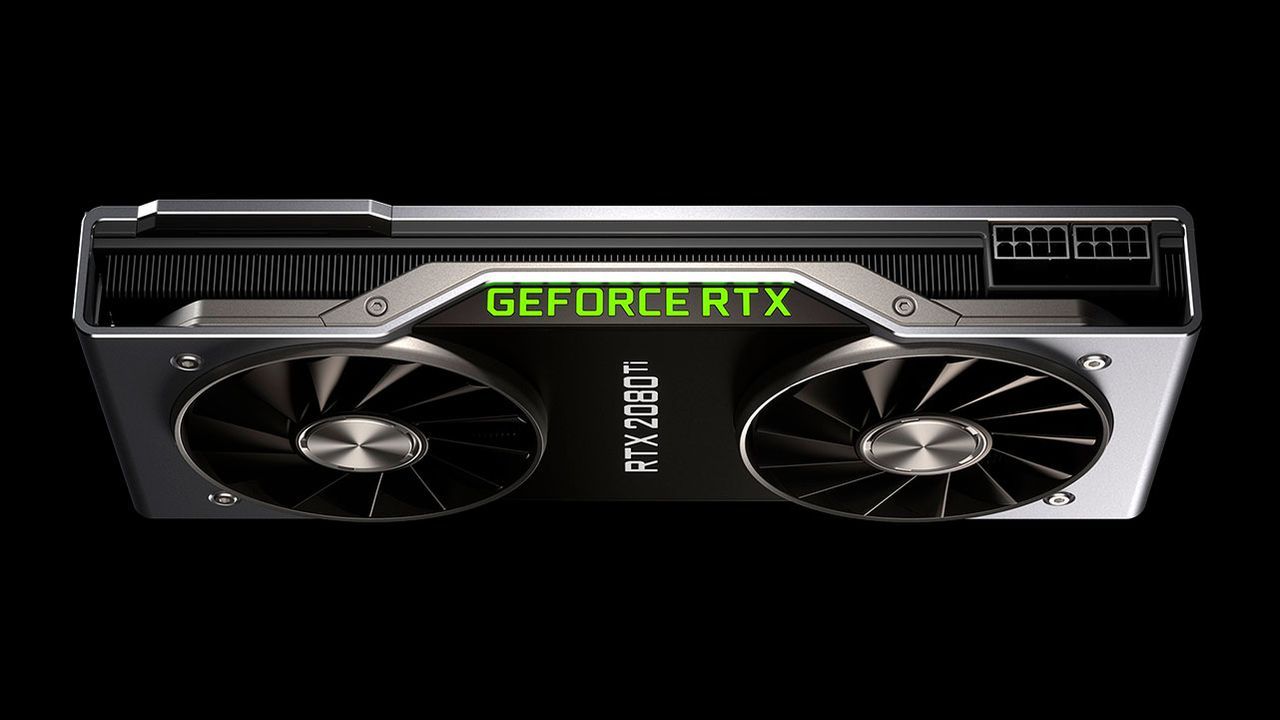
The relentless drive for more power in modern gaming and AI applications often runs headfirst into hardware limitations. Nvidia’s constraints on the amount of VRAM available on consumer GPUs have pushed the enthusiast community to develop ingenious, if sometimes unofficial, solutions.
For years, tinkering with graphics cards meant diving deep into complex modifications. While DIY memory upgrades were a common way to push boundaries, such work was often relegated to underground markets, bypassing formal channels.
However, the ingenuity of the community is now being channeled into legitimate service offerings. A new vendor has stepped into this space, offering a high-end solution that promises professional execution without the necessity of shady back-alley deals or questionable modifications.
This company is providing a concrete path for users seeking to unlock their GPU’s true potential through smart memory expansion. For example, they offer services to upgrade cards like the RTX 2080 Ti and RTX 3070 by expanding their VRAM capacity.
How does this technical feat happen? The process involves more than just swapping components. It requires a careful, hands-on approach. Technicians disassemble the card, remove the existing memory modules, and replace them with higher capacity chips—effectively doubling the available memory instantly. This is made possible because the core design often supports multiple memory configurations, allowing for physical adjustments to the PCB’s memory strap resistors.
In some cases, such as modifying an RTX 3070 that shipped with less VRAM than expected, this process involves manually altering these settings to allow the GPU to recognize and report its full potential. This is not simply a software tweak; it’s physical hardware modification that unlocks the chip’s hidden capabilities.
Beyond memory capacity, these services ensure stability. The vendor not only handles the complex memory manipulation but also addresses related thermal concerns by replacing thermal pads and thermal paste to guarantee the modded card runs smoothly and reliably.
The result is a card that doesn’t just have more VRAM; it operates with a stable, factory-like BIOS configuration, providing enthusiasts with massive performance gains in demanding tasks like AI workloads and video editing.
Doubling the memory capacity allows users to squeeze significantly more performance out of their hardware. While it won’t make a GPU suddenly invincible in every game, the extra VRAM is invaluable for creative applications and provides a substantial boost in increasingly memory-intensive workflows.
Ultimately, this trend showcases how user ingenuity, combined with legitimate service providers, can transform hardware limitations into performance opportunities, making high-end processing accessible to a wider range of tinkerers.
Buy on Amazon
Credit