AI and budget computing chase the extremes at IFA 2026
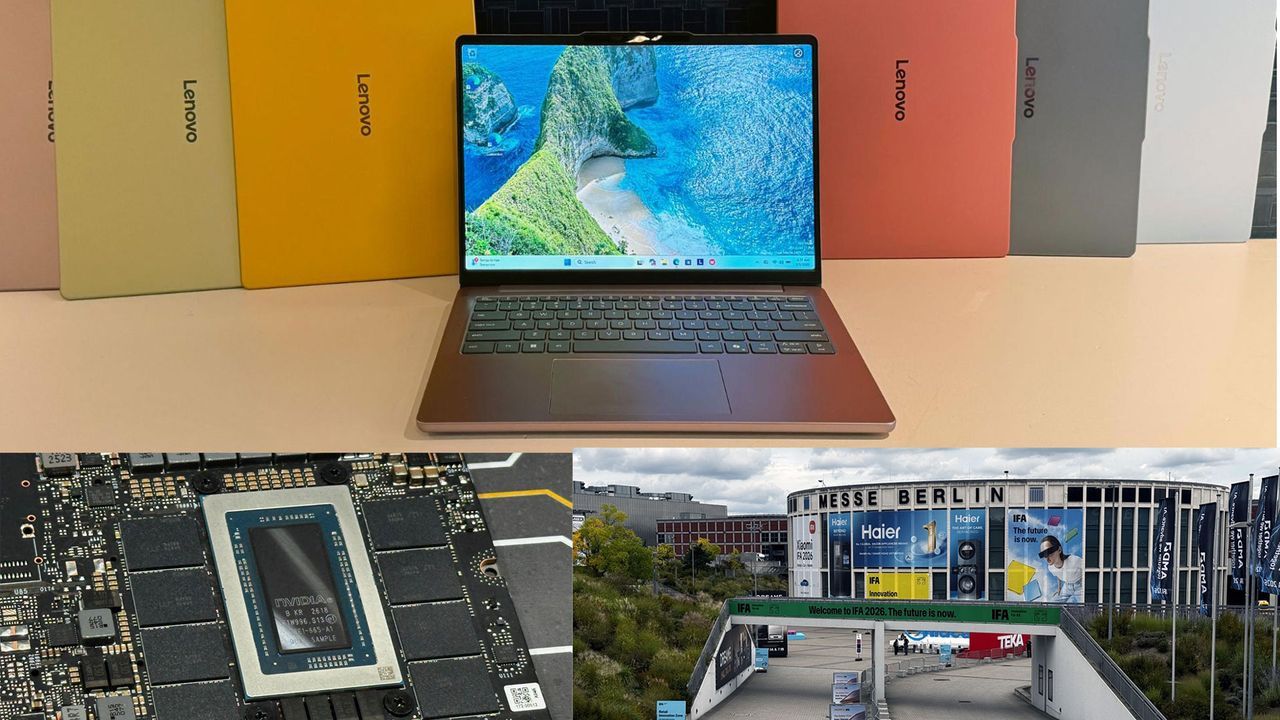
The world of personal computing is currently undergoing a dramatic split. At recent technology events, the landscape is diverging into two distinct paths: one focused on affordable entry points, and another obsessed with the boundless potential of agentic artificial intelligence.
This bifurcation is driven by the current state of hardware. On one side, there are machines designed to tackle immediate bottlenecks—laptops that aim to compete in the budget space, offering basic functionality with just enough memory to keep users afloat during a RAM shortage.
On the other side, a completely different class of machines is emerging. These are the powerhouses, systems boasting massive amounts of memory, promising to be true agentic computers capable of handling complex workflows and running sophisticated AI models locally. We are seeing machines with 128GB or even 192GB of memory, pushing the boundaries of what a laptop can achieve.
The resulting dichotomy is stark: you have systems under $800 with 8GB of RAM, and then you have multi-thousand-dollar machines that promise an agentic future. The sweet spot in between, offering a balanced blend of performance and price, remains elusive.
In the race for the affordable premium, the competition has heated up. Following the debut of the MacBook Neo, several OEMs jumped in with colorful, design-forward options. Laptops like the Lenovo IdeaPad Vibe laptops, with their seven available colors and optional custom keyboards, offer a refreshing aesthetic, while Dell’s new 14S introduced bold choices like “velvet green.” These moves signal a renewed focus on premium design in the Windows PC market.
Meanwhile, the high-end arena is dominated by the quest for specialized AI hardware. The focus has shifted to powerful processors designed to handle local AI, with AMD’s Ryzen AI Max+ Pro 495 systems and Nvidia’s RTX Spark N1X platform leading the charge. These high-spec systems are often framed as powerful workstations, and some even look like dedicated AI furniture, featuring powerful AI NAS units that bypass traditional screens.
These agentic machines are all about running workflows locally. Whether powered by AMD or Nvidia, these systems demonstrate the ability to execute AI agents, moving beyond simple processing to actual task execution. This shift marks a departure from the previous focus on just the “AI PC” concept, emphasizing robust memory and compute capacity.
Ultimately, the market stands at two extremes. We have the budget option, and we have the extreme AI option. The next challenge for the industry, and for consumers, will be finding the silicon that bridges this gap—a generation of processors that delivers high-end performance and memory capacity at a price point that appeals to everyone.
Buy on Amazon
Credit