AI boom funds Taiwan’s $314 cash payout
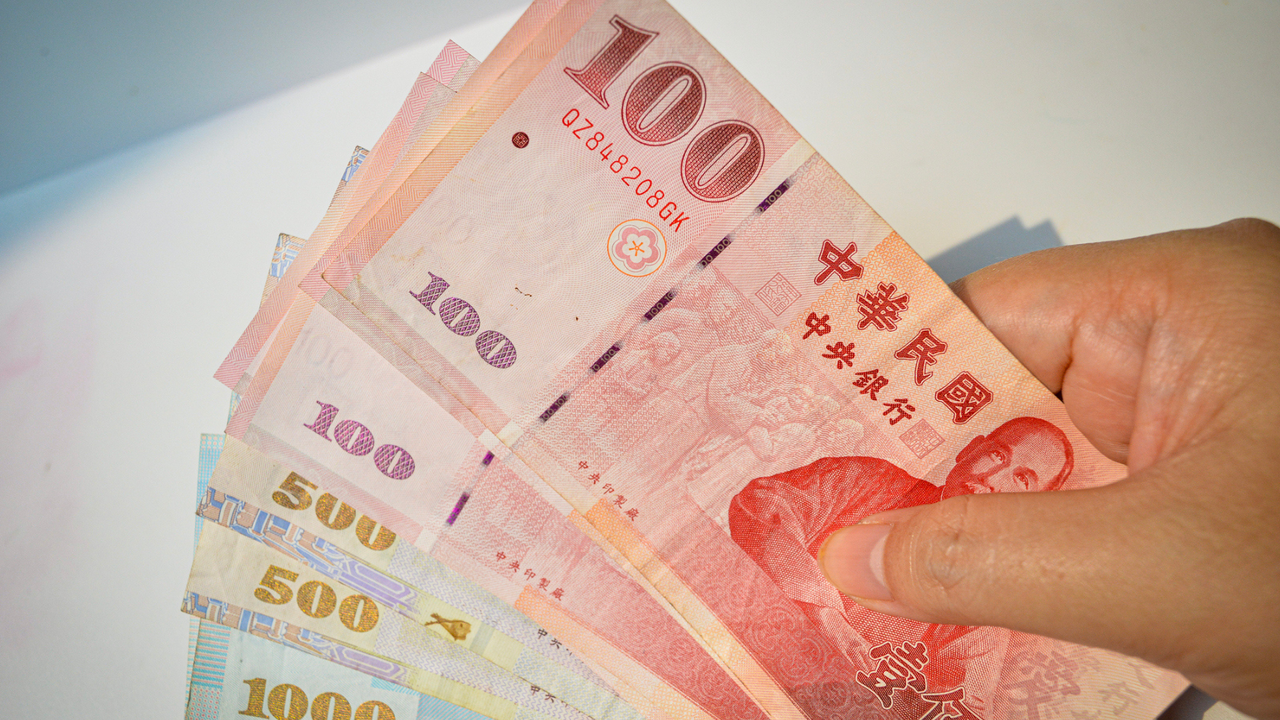
Taiwan is preparing to share the wealth generated by the recent global revolution in artificial intelligence, with plans to distribute cash payments to all residents next year. President Lai Ching-te announced that each resident will receive NT$10,000 in cash, a tangible reflection of the massive economic boom fueled by surging global demand for AI and high-performance computing services.
This ambitious plan is underpinned by the belief that the current AI dividend can be distributed broadly. The financing for this initiative is rooted in the 2027 central government budget, which sets aside NT$235.7 billion, effectively channeling the profits from the AI-driven economic expansion to the populace.
The surge in revenue that underpins this payment is substantial. Lai pointed out that the soaring global appetite for AI, cloud services, and computing power has lifted projected general revenue to NT$3.93 trillion. This growth was largely achieved with a balanced budget and what the administration called “effectively no new borrowing,” underscoring the strength of Taiwan’s economic foundation.
Underlying this macroeconomic success are impressive statistics from Taiwan’s economy. The statistics agency reported a robust growth forecast, raising the 2026 GDP growth projection to 11.05%, a pace that rivals the fastest expansion seen since 1987. Furthermore, merchandise exports are expected to hit $903.6 billion this year, marking a remarkable 41.19% increase and the sharpest rise in five decades.
At the heart of this export success is Taiwan’s dominance in advanced manufacturing. Servers and related goods accounted for nearly 40% of these exports, a figure that reflects the massive contribution of Taiwanese manufacturers like Foxconn, Quanta, and Wistron. These companies produce the vast majority of the world’s AI servers and rack-scale systems, creating an economic ripple effect that has already propelled Taiwan’s exports past those of China in the semiconductor sector for the first time in decades.
The concentration of this technological prowess is also visible in the financial markets. The dominance of TSMC, which represents about 40% of the Taiwanese stock market, has even surpassed the total value of the UK market earlier this year, demonstrating the profound impact of Taiwan’s tech sector on global finance.
While the economic ascent is remarkable, the administration acknowledges that the benefits of this boom have not been evenly distributed. Workers in traditional industries, service sectors, and small businesses outside the technology sphere have not seen the same immediate lift. Non-tech exports, for example, grew at a more modest rate of just 8.6% in the first seven months of the year, illustrating the uneven terrain of the national prosperity.
This effort to distribute wealth is not new. Taiwan previously paid out an identical NT$10,000 per person starting in November 2025, though that distribution was channeled through a different NT$550 billion special budget designed to ease the burden of U.S. tariffs and inflation, rather than being framed as a share of AI profits. The specific eligibility, timing, and distribution methods for the upcoming 2027 payment remain subject to confirmation by the Presidential Office.
The political debate surrounding this distribution continues, with the opposition Kuomintang demanding an even larger payment of NT$20,000. The process for navigating this distribution, especially given recent budget delays, will require careful political negotiation to ensure a smooth and equitable rollout for all residents.
Credit