AI chip war factions built for a Command & Conquer reboot
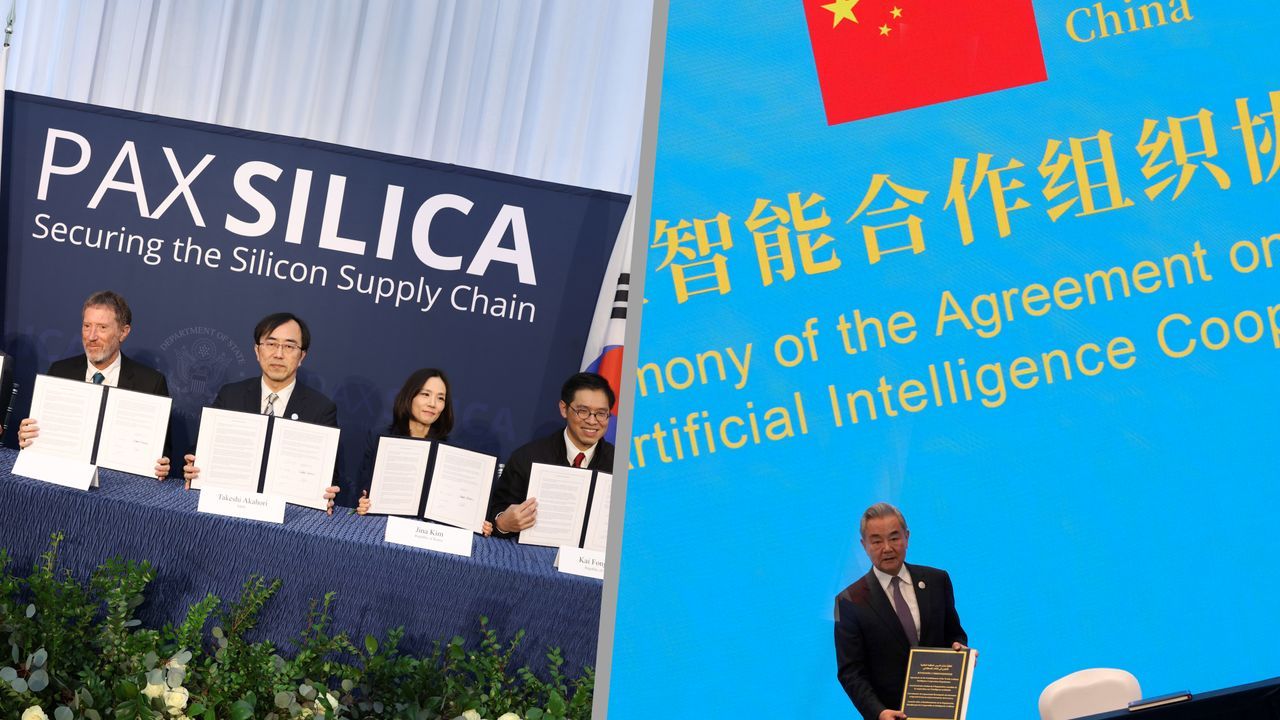
PC gaming, once a realm of limitless digital exploration, is currently wrestling with a brutal reality: soaring prices for essential components driven by an unforeseen and colossal surge in demand. We are in the thick of a supply crisis, and the path forward remains shrouded in uncertainty, as supply struggles to catch up with the outsized appetite.
This isn’t a new scenario, but the stakes feel higher than ever. We have seen similar crises before, but now the forces shaping the silicon world are deeply intertwined with global politics and trade. Politicians around the globe are increasingly maneuvering the semiconductor business, transforming it from a market into a battleground influenced by new factions—think of them as the emerging players in a new Command & Conquer game: Pax Silica and WAICO. The rise of these global silicon gangs shows just how susceptible the PC gaming industry is to macroeconomic whims.
Why is PC gaming so vulnerable? The connection is woven into the very fabric of global infrastructure. Recent disruptions, such as the closure of the Strait of Hormuz, highlight how crucial seemingly unrelated materials—like Helium, sulphuric acid, and naphtha—are for the entire semiconductor manufacturing process. These supply chain snags directly impact both chips and PCBs.
This vulnerability has been amplified by economic policy. Tariffs, government interventions, and the lingering effects of the pandemic created volatility. While some political maneuvers, such as the temporary tariff refunds, provided a brief respite, the underlying structural constraints remained. Even ambitious efforts like the US and EU’s semiconductor legislation, aimed at bringing manufacturing home, have faced hurdles, demonstrating that simply legislating change isn’t enough to conquer global scarcity.
The demand spike wasn’t accidental. Prior to the current pressures, the industry was already reeling from the demand generated by at-home cryptocurrency mining, which strained supply chains, especially during the early phases of the pandemic. This dynamic continued into 2022, when the shift toward proof-of-stake mining eased the pressure on consumer-grade GPUs, marking a temporary pause in one of PC gaming’s most stressful periods.
Today, the focus has shifted entirely. We are now facing unprecedented demand driven by the AI revolution and the massive build-out of data centers. Governments are betting economic growth on AI, leading to an intense scramble for compute and critical minerals. This has brought major memory manufacturers—SK hynix, Samsung, and Micron—into sharp focus, as they navigate the pressure to meet this demand while resisting plans for massive new facilities.
At the very DNA level of the hardware, the equation is simple: we have astronomical demand, but the supply chain is shackled by constrained production, limited access to materials, and slow global transportation. This is the core dilemma. The scarcity isn’t just a hardware problem; it’s a geopolitical and logistical one.
This tension has crystallized into a larger struggle over the future of computing. On one side, we have the US-backed initiative, Pax Silica, an organization signed by 24 countries, aiming to secure “AI and supply chain security” and foster consensus among allies. On the other side, the China-backed WAICO, which aims to share frontier AI models and computing knowledge, often focusing on the interests of the BRICS nations. These two rival factions are vying to control the flow of chips and the advancement of AI models across the globe.
Ultimately, the forces manipulating the semiconductor industry—whether through tariffs, national security agendas, or the AI race—are impacting the hobby of PC gaming. While governments debate macro-strategies, the everyday consumer is left grappling with inflated prices and supply limitations. The message is clear: the future of computing depends not just on technological innovation, but on navigating a highly volatile and increasingly political global landscape.
Credit