AI codes GPU drivers on an old MacBook in real time
The Mirror Hack: How a Linux Developer Used a Webcam to Tune Graphics Drivers
In the world of high-performance computing and artificial intelligence, sometimes the most ingenious solutions come from the most unexpected places. Meet Justin Schroeder, a Linux developer who has cooked up a truly quirky method for fine-tuning graphics drivers, utilizing a simple trick involving a webcam and a mirror.
Schroeder’s hack allows him to gain real-time visual feedback while working on complex tasks. He demonstrated how a MacBook can use its webcam to look at its screen reflected in a mirror, providing a visual guide for the intricate process of tuning the AMD Radeon chip support within a specialized operating system called Omarchy.
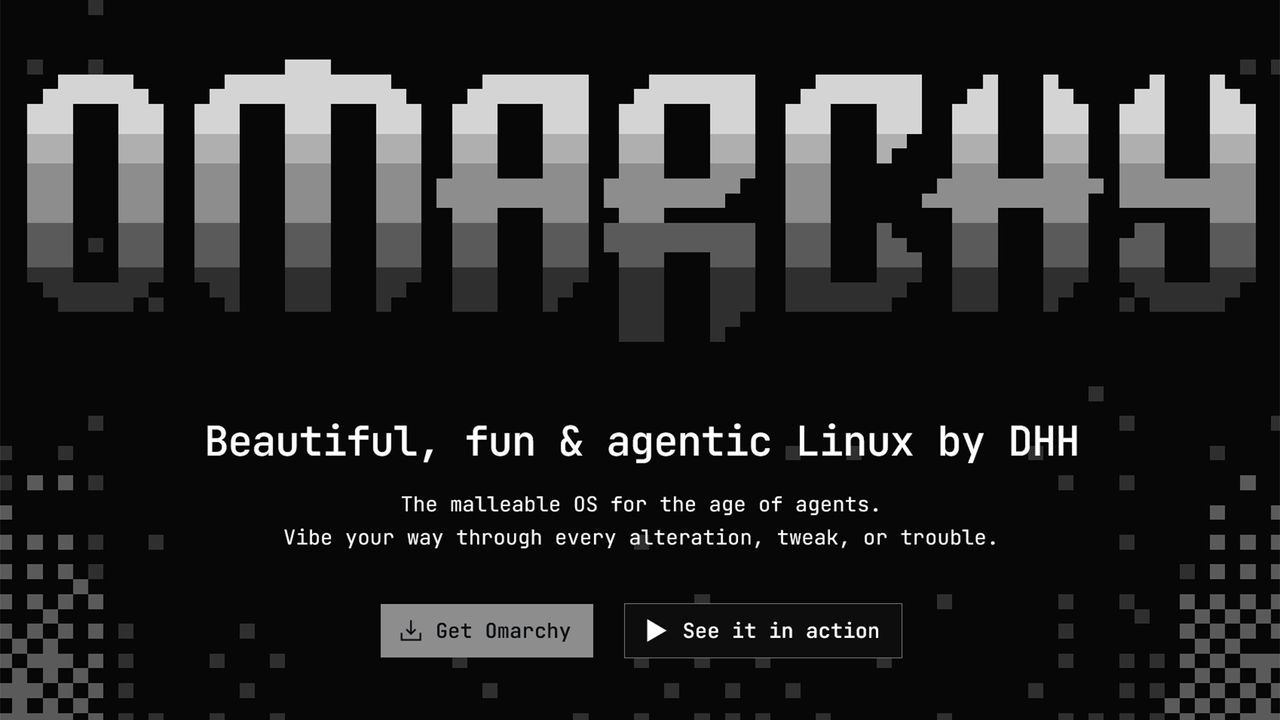
This wasn’t just a visual gimmick; it was a deep dive into the intersection of hardware, software, and AI. Omarchy itself is a Linux distribution specifically tailored for the “age of agents”—a framework perfect for programming agents like Claude Code that require precise interaction with their environment. By using visual feedback, Schroeder and his team were able to refine Radeon hardware support and ensure optimal performance for AI-driven coding agents.
The resulting setup is a masterclass in making technology delightfully unconventional. It highlights how specialized operating systems and smart visual tools can empower users to “vibe their way through every alteration, tweak, or trouble.”
Omarchy isn’t limited to cutting-edge machines. The distribution is incredibly versatile, designed to be an accommodating home for a wide range of hardware. It works seamlessly across Apple Silicon Macs, older Intel Macs with AMD GPUs, and even “potato PCs” like older ThinkPads. This broad compatibility, combined with the efficiency of Omarchy’s built-in agents that can debug issues, makes it a uniquely accessible operating system.
The ingenuity of the project drew some humorous reactions. Epic Games executive Tim Sweeney even commented on the use of AI and visual feedback, jokingly comparing the process to the famous line from HAL 9000 from the movie 2001: A Space Odyssey, highlighting the uncanny ability of machines to read and interpret visual cues.
Ultimately, this story is a testament to the power of creative engineering. It proves that cutting-edge performance and sophisticated operating systems don’t have to be confined to the most expensive hardware; they can be achieved through clever, agent-driven solutions and a touch of playful ingenuity.
Buy on Amazon
Credit