AI data center backlash over illegal turbines and massive LNG tank
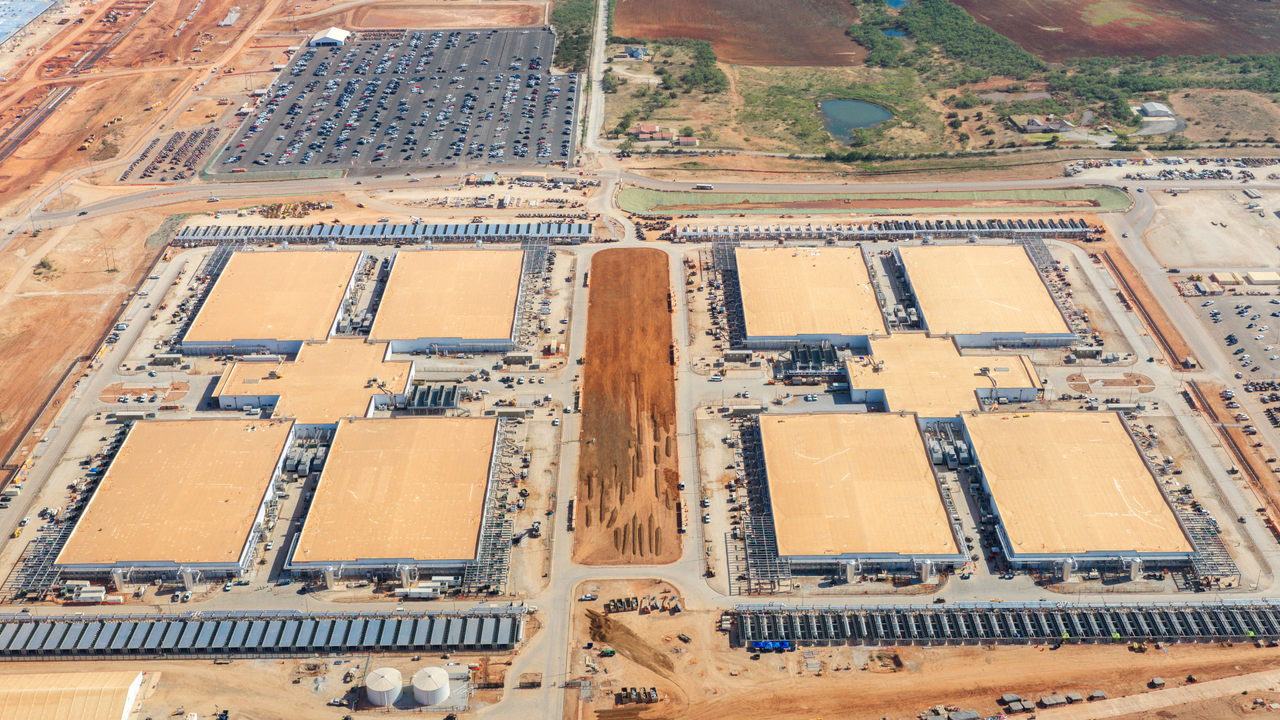
The massive expansion of artificial intelligence infrastructure has brought not only unprecedented technological promises but also a heated debate over community responsibility and environmental compliance. In Vineland, New Jersey, the construction of the DataOne data center has ignited this friction, pitting the demands of global tech giants against the quality of life of local residents.
The project, which began construction in 2025, quickly became embroiled in serious complaints from the community. Allegations surfaced that the development was operating several unpermitted gas turbines on site, spewing air pollution near local schools. Beyond the air quality concerns, residents raised alarms over the construction of an unpermitted 1.5-million-gallon liquefied natural gas storage tank and excessive noise levels that affected those living within a half-mile radius.
These environmental and operational concerns are not isolated incidents. A subsequent investigation revealed that the site utilized 62 gas turbines, with at least 45 running simultaneously—a practice that drew comparisons to similar projects elsewhere, such as the deployment of unpermitted turbines by SpaceXAI in Memphis.
The issues extended beyond air and noise. A third-party engineering review pointed out serious flaws in the site’s stormwater management system. Experts warned that if these systems are not immediately fixed, the massive 55-acre site risks on-site and off-site flooding. Furthermore, the data center’s operations were found to have underestimated the annual groundwater recharge by at least 20 million gallons per year, raising concerns about potential depletion of local aquifers and water quality for the surrounding community.
This situation took on a broader significance when the project was linked to a massive deal secured by a major tech company for advanced computing resources. The facility was built to deliver dedicated capacity to Microsoft, stemming from a multi-year agreement to secure around 100,000 Nvidia GB300 GPUs. Residents only became fully aware of the data center’s existence after this multi-billion dollar deal was made public.
Questions immediately arose regarding corporate accountability. While the development firm DataOne faced technical scrutiny, critics argued that the larger entity, Microsoft, should bear responsibility. They pointed out that Microsoft contracted Nebius for the computing power, making them a central figure in the project’s execution.
This sequence of events directly contradicted Microsoft’s public commitment made earlier in 2026 to pursue a “community-first” approach and address energy costs and water replenishment. Critics suggest that the development followed a pattern of prioritizing speed over compliance, with some suggesting the large corporations were “doing the damage first and asking for permission later.”
The community is now demanding that the tech giant uphold its promises and address the environmental impact of the Vineland data center. The story serves as a potent reminder that the relentless pursuit of cutting-edge AI infrastructure must be balanced with rigorous environmental stewardship and genuine community engagement.
Buy on Amazon
Credit
