AI data center power mandates new Australian framework
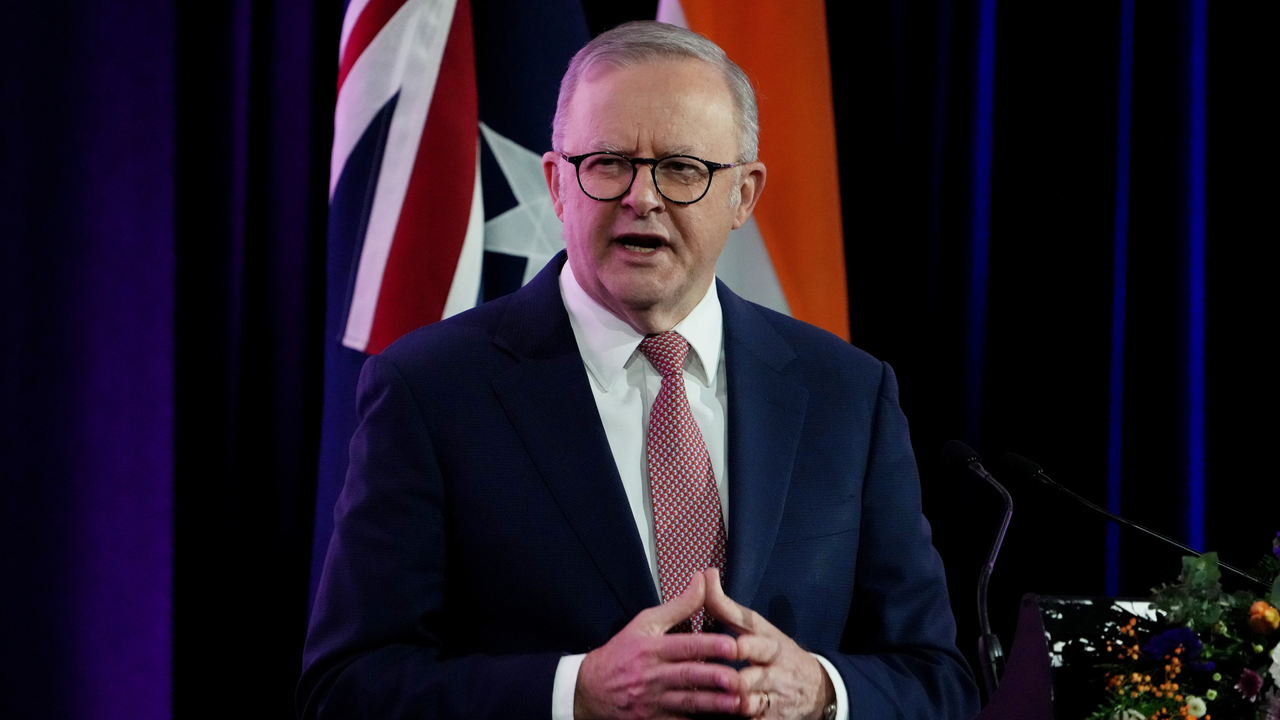
As artificial intelligence companies worldwide look to Australia for its vast lands and abundant renewable energy sources, the nation is positioning itself not just as an attractive location, but as a thoughtful leader in governing the AI revolution. Prime Minister Anthony Albanese has signaled that Canberra intends to get ahead of this technological tide, establishing a national framework designed to ensure that the massive infrastructure supporting AI development aligns with the interests of the public and the environment.
Albanese stated that Australia will be the first country globally to bring these complex issues into a single, national policy structure for artificial intelligence. This initiative aims to manage the inevitable growth of data centers—the physical backbone of AI—making sure their expansion does not create unnecessary burdens on public services or the environment.
Central to this new framework is a legal obligation aimed at managing energy consumption. The government plans to mandate that data centers must produce the same amount of power they consume. This crucial step is designed to prevent these mega-projects from escalating utility costs for ordinary citizens, directly addressing concerns about massive electricity price spikes caused by industrial demand.
Furthermore, recognizing Australia’s status as one of the driest populated continents on Earth, the policy emphasizes sustainable infrastructure. The regulations will also require data center projects to be highly water efficient, ensuring that this demanding sector minimizes its impact on precious groundwater resources.
Beyond environmental and grid concerns, the framework tackles a deeply critical issue: intellectual property. The government has firmly stated that Australian creators—writers, musicians, artists, and journalists—must retain control over the price and value of their work when it is used for training AI models. In this regard, the Prime Minister asserted that using creative works without proper compensation constitutes theft, arguing that no other country currently has these protections in place.
While this vision addresses significant public concerns about infrastructure management and creator rights, the road to implementation requires careful navigation. Some business groups have expressed support for the government’s goals but remain cautious, worrying that extensive regulation could stifle the economic opportunities that AI data centers promise. Experts acknowledge the policy direction is sound, though they remind officials that the successful execution of this plan will depend entirely on meticulous attention to the fine details.
Buy on Amazon
Credit