AI Data Centers Spark Death Threats and Gunfire Over Builds
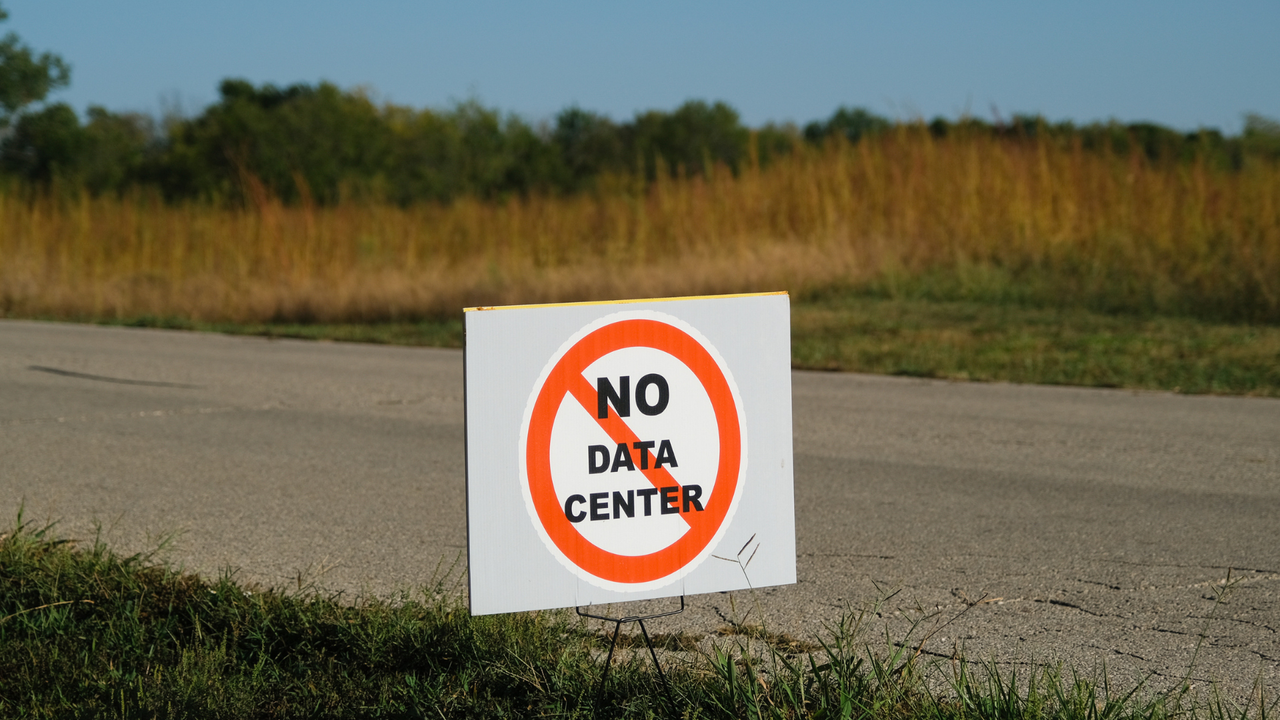
The Infrastructure Dilemma: When Data Centers Trigger Death Threats Across America
The push for massive data center development, often framed as essential to the digital economy, is increasingly colliding with local democracy and public safety. Across the country, officials are finding themselves grappling with a new and alarming reality: facing credible death threats simply for attempting to manage local growth and infrastructure projects.
This escalating tension is not an isolated incident; it is a widespread national phenomenon. In Marshall, Michigan, local officials took a bold step, passing a moratorium on new electrical infrastructure projects—a move backed by major university and national laboratory interests. Ten days later, the situation took a sharp turn when police informed city council members they were the subject of a death threat tied directly to the development.
This pattern of fear is playing out simultaneously in dozens of communities. In Salix, Iowa, a town of 300 residents postponed a moratorium vote after social media posts put their government squarely in the crosshairs. In Box Elder County, Utah, a commissioner who had approved a major project faced threats while overseeing the process. These local disputes quickly escalated into national political flashpoints, demonstrating how large-scale infrastructure debates can quickly morph into matters of life and death.
The situation has spurred a nationwide reckoning, with reports indicating that city leaders across the country are now receiving death threats over data centers, regardless of their voting decisions. This environment forces local government to balance economic ambition with profound security concerns.
The consequences of this pressure have forced local governments to adapt their methods of public engagement. In Emporia, Kansas, leaders moved commission meetings online and dropped public comment periods after facing threats, illustrating how fear can restrict democratic discourse. Similarly, other municipalities have canceled or restricted public meetings in response to these threats.
This escalation is not new. Previous incidents show that the fear is rooted in a history of friction over development. For instance, in Indianapolis, a councilman faced physical threats after supporting a rezoning effort, and in Michigan, a local treasurer resigned over threats tied to large AI campus projects.
Data gathered from analysts further underscores the seriousness of the issue. A review of threat language found hundreds of posts between 2025 and 2026, with a noticeable surge starting in April. While most threats target infrastructure rather than individuals, they successfully trigger immense public outcry, leading to hundreds of local restrictions nationwide as communities attempt to block big-tech expansion plans.
The tension highlights a critical disconnect: the demands of national economic expansion are often imposed on local communities without sufficient public consultation or security guarantees. As the digital infrastructure boom continues, the challenge for local leaders is to find a way to manage massive development projects while ensuring that the safety and democratic process of their communities remain paramount.
Buy on Amazon
Credit
