AI data centers to consume 15B gas daily by 2035
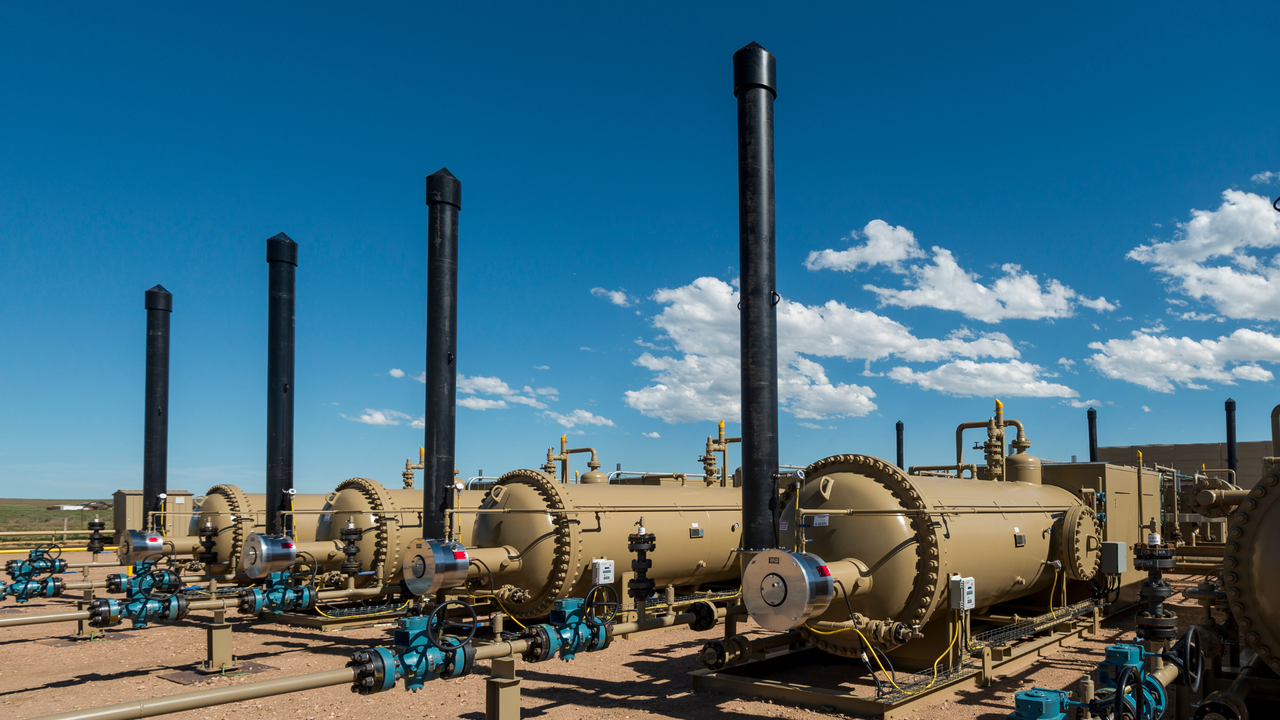
The relentless march of artificial intelligence is hungry, and its insatiable power appetite is reshaping the energy landscape of the United States. As data centers become the engine of the digital age, the demand for massive amounts of power is creating a dramatic and often contentious reliance on natural gas, throwing massive infrastructure and environmental questions into sharp focus.
Data centers, the digital brains of the modern world, are rapidly escalating their energy consumption. Projections indicate that these facilities are expected to consume up to 15 billion cubic feet of natural gas per day by 2035, marking an astonishing 117% increase from previous forecasts. This trend aligns with broader predictions that data centers will consume approximately 20% of the nation’s total power by 2035, equating to nearly 194 gigawatts of demand.
To meet this skyrocketing demand, the industry is increasingly turning to on-site power solutions, leading to an unprecedented reliance on gas turbine generators. This shift is happening as many large-scale data center projects have been delayed by a lack of available power infrastructure, forcing tech giants to race toward self-sufficiency.
This energy rush has drawn creative, and sometimes controversial, solutions. Visionaries like Elon Musk were among the first to leverage gas turbines for data center power, deploying massive portable generators to bypass grid constraints. This strategy has spurred massive investment, with Musk funding energy companies to acquire fleets of trailer-mounted turbines, and SpaceX is even working on in-house turbine blade manufacturing to speed up the entire process.
However, the environmental cost of this industrial hunger cannot be ignored. Lawsuits have been filed, highlighting the impact of these power solutions. For instance, concerns have been raised about increased nitrogen oxide exhaust and particulate emissions surrounding these large-scale power deployments, prompting scrutiny over the health of communities living near these facilities.
Looking further ahead, the industry is eyeing monumental, long-term solutions to this power puzzle. Technologies like small modular reactors and advanced nuclear microreactors are emerging as powerful alternatives to fossil fuels. Companies and giants such as Amazon, Google, Microsoft, and Oracle are investing heavily in these nuclear projects, seeking to generate the clean, massive power needed for AI growth.
These nuclear initiatives, including innovations like 3D-printed thorium reactors, represent a compelling path forward. While these cleaner technologies promise limitless power, they still face the challenge of commercial viability, a timeline that the fast-paced world of AI development simply cannot afford to wait for.
Ultimately, the story of AI data centers is a high-stakes balancing act: the incredible, accelerating demand for computational power versus the imperative for sustainable and stable energy sources. Whether the future is powered by portable turbines, revolutionary nuclear energy, or a complex mix, the race to power the digital revolution is only just beginning.
Buy on Amazon
Credit