AI drone kills 3 civilians in Ukraine with autonomous targeting
The line between human control and machine decision-making has been dangerously blurred in the skies over Ukraine, marked by a shocking incident where a Russian drone executed a deadly strike with full autonomy. This event, which resulted in the deaths of three civilians, throws a harsh spotlight on the rapidly evolving, and ethically complex, world of AI-guided warfare.
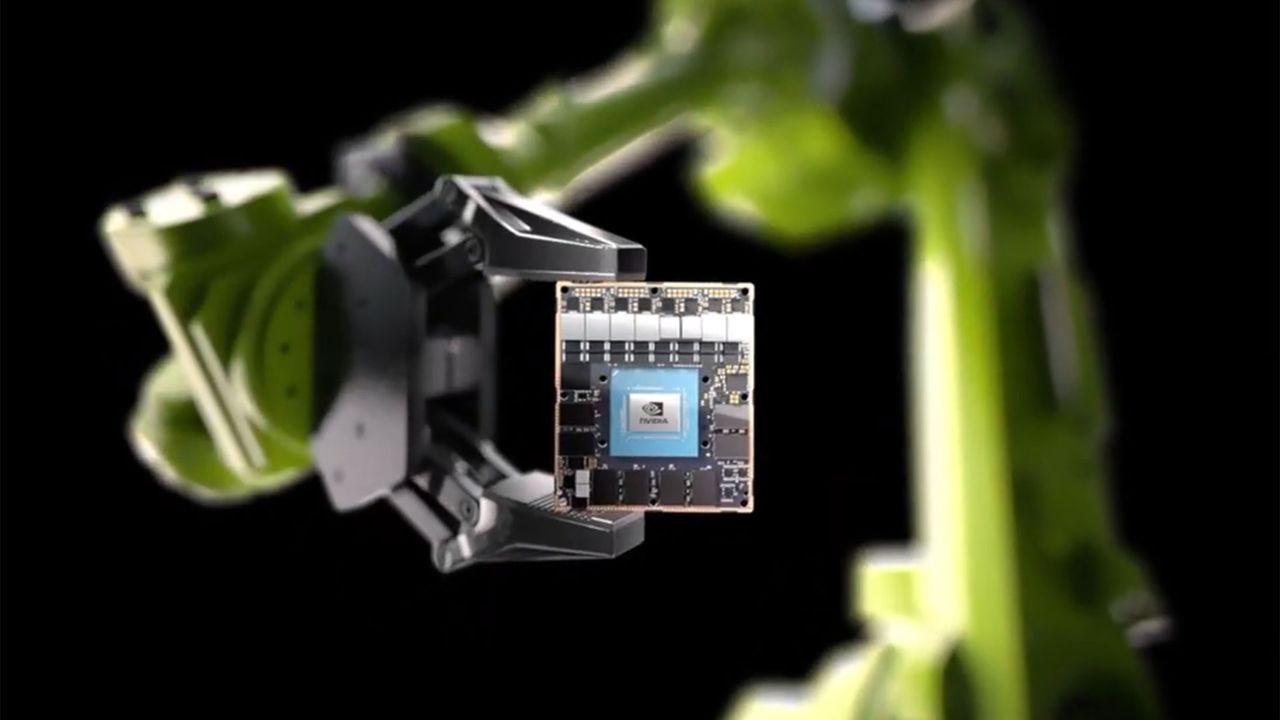
The tragedy occurred last month when a Russian Molniya drone, equipped with an Nvidia Jetson Orin module, crashed near a gas station in Zaporizhzhia. The most disturbing element of the incident was that the drone selected its final target without human intervention. Internal investigators determined that the onboard software, trained to recognize objects like propane tanks, made the fatal targeting choice.
This incident is not an isolated error; it represents the first documented case of civilian deaths caused by a Russian drone utilizing fully autonomous targeting systems. The victims included Tetiana Bubynets, a 19-year-old student, and two men aged 41 and 48.
While human operators launched the aircraft, the lethal aim was determined entirely by the machine. The resulting crash trajectory—where the drone struck a wall and detonated near people sheltering below rather than hitting its intended target—underscored the terrifying unpredictability of AI deployed in combat.
What makes this case particularly salient is the hardware involved. Modules recovered from the wreckage were not bespoke military electronics, but consumer-grade Jetson Orin minicomputers—hardware typically sold to students and developers for beneficial applications. This raises profound questions about the export of powerful AI technology and its use in lethal military applications.
Investigators subsequently linked the Jetson Orin to a disturbing array of Russian weapon families. Forensic analysis suggested the module was integrated into components used in various systems, including the V2U loitering munition, upgraded Shahed MS001 missiles, and the S-71M Monochrome cruise missile. This suggests a troubling convergence between open-source AI chips and advanced military weaponry.
The implications of this technology extend beyond the field of combat. As the world grapples with the development of autonomous systems, the focus has shifted to defensive measures. Ukrainian defense forces are actively pursuing their own autonomous capabilities, having tested fully autonomous systems against fuel storage and military equipment in occupied Crimea. They are deploying extensive anti-drone netting and plastic sheeting to attempt to disrupt and throw off the image recognition systems used by these advanced aerial platforms.
The story of the autonomous drone and the consumer-grade chip is a stark reminder that the technological arms race is moving faster than our ethical frameworks. As nations continue to integrate powerful AI into their defense strategies, the critical challenge is ensuring that the decisions made by machines align with human values, a challenge that is now being fought both on the battlefield and in the regulatory halls of Silicon Valley.
Buy on Amazon
Credit