AI RAM apocalypse: the true cost of memory and hope
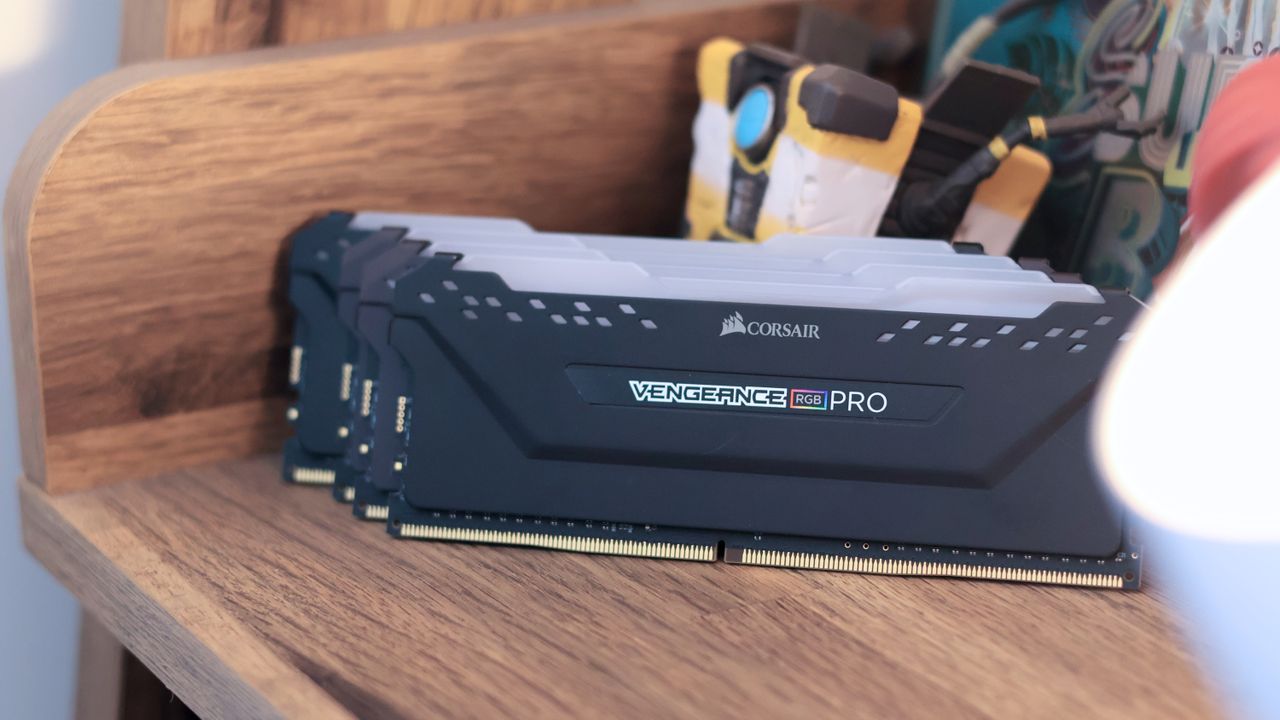
On the eve of August 2026, the dream of building a custom PC feels less like an exciting pursuit and more like navigating a treacherous economic minefield. The recent 12 months have been defined by a relentless price spiral in memory and storage components, all fueled by the massive demand for AI infrastructure. While enthusiasts wrestled with shortages across the board—DDR4, DDR5, SSDs, and GPUs—the RAM market has emerged as one of the most painful arenas of this struggle.
The alarm bells began ringing in July of last year when industry forecasts pointed toward significant price increases. At the time, builders could often find a decent 32GB DDR5 kit and an SSD for whatever system they planned. Now, the landscape has radically shifted. The cost of memory is no longer just a nuisance; it is a defining reality.
The impact of the AI crunch on pricing is stark. Consider a simple example: a popular 32GB DDR5 6000 kit that was once available for a deeply discounted price has seen dramatic escalation. A memory kit that cost $90 during a Prime Day event last year now commands a price of $459. This trend extends to the highly sought-after G.Skill Trident Z5 Neo RGB DDR5-6000 kit, which saw its price jump from $179 in 2023 to nearly $600 by August 2026—a clear indication of a hefty late adopter tax.
This inflation is compounded by supply chain shifts. One significant drama has been the exit of major memory players. Micron, recognizing the lucrative focus on high-bandwidth memory (HBM) and enterprise solutions for AI, made the difficult decision to wind down its consumer memory and SSD offerings, pivoting all resources toward larger, strategic customers. This means that many trusted brands have faded from the consumer market, leaving builders scrambling for remaining stock.
The scarcity extends beyond specific brands. Large capacity kits, like multi-module options, have become astronomical. For instance, a 192GB kit, offering flexibility, now costs upwards of $2,600—more than many pre-built gaming desktops cost. Even smaller amounts are priced steeply; 16GB of DDR5 6000 memory now easily exceeds $200, nearly doubling the price for half the capacity compared to a year ago.
Furthermore, the memory landscape is experiencing a platform shift. While DDR5 remains the standard for new builds, there are murmurs that the gap between DDR4 and DDR5 is widening. Intel and AMD are exploring returns to DDR4 platforms in certain segments, with some focusing on longevity, even as DDR4 prices have also skyrocketed. For example, while some gaming CPUs based on DDR4 can still offer excellent value, the cost of memory itself makes the choice a complex equation.
For those who want to navigate this environment without entering the realm of pure speculation, bundling remains a smart strategy. Pairing RAM with compatible motherboards and CPUs often yields better value. Bundles, such as Newegg combinations, can offer RAM for around $200 when purchased alongside other key components, providing transparency on the true cost of a build.
Ultimately, if the dream is to build a PC right now, the options are narrower but not impossible. While custom building has become significantly more expensive, pre-built systems and specialized offerings offer a compelling alternative. The math points toward pre-builts providing better overall value today, as the steep price increases in RAM, SSDs, and GPUs have been less severe across complete systems.
For those determined to enter the DIY arena with new memory, the going rate for 16GB of DDR5 is around $209. While high capacities are ludicrously expensive, a smart approach involves waiting for market stabilization while leveraging component bundles to secure the best possible deal.
Credit
