AI Reshapes Patch Tuesday in Windows 11 Update
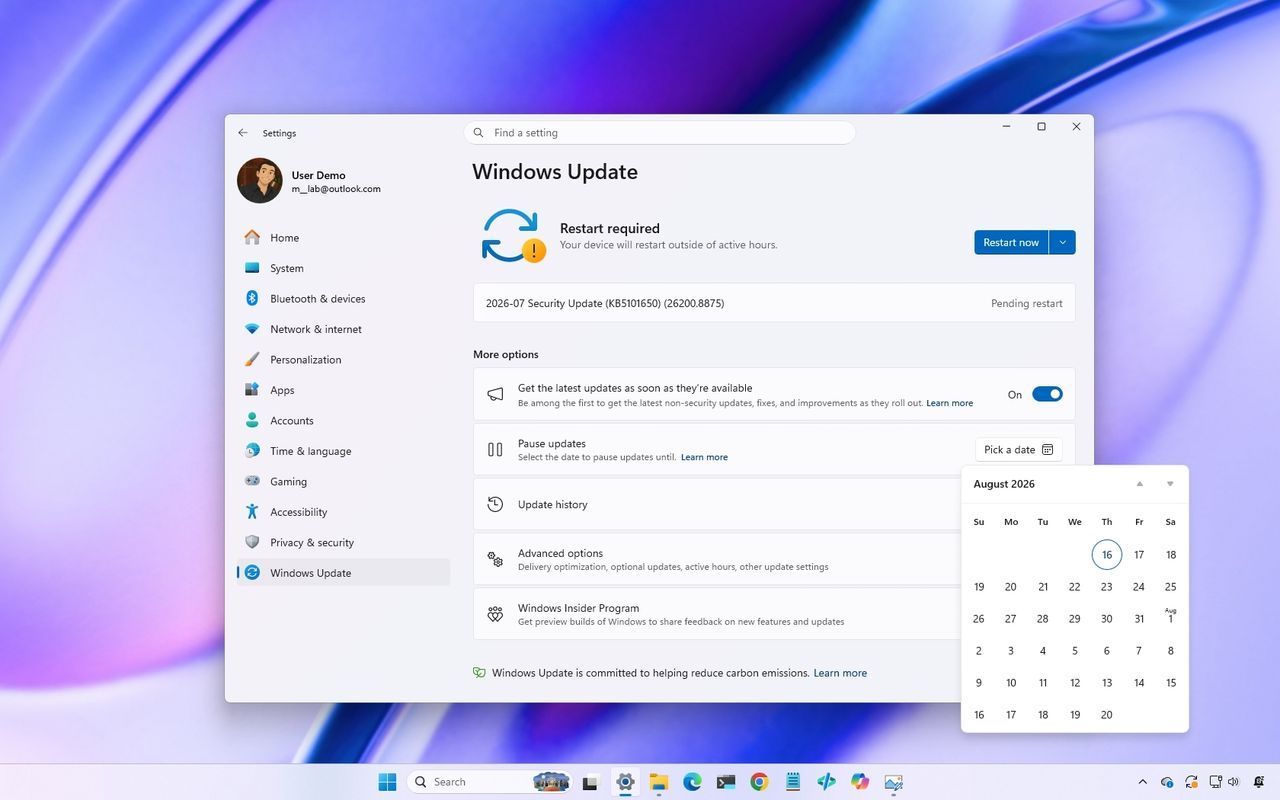
The AI Revolution in Patch Tuesday: How Microsoft is Fighting Cyber Threats with Bigger Updates
Microsoft’s recent security release wasn’t just a routine update; it was a monumental effort. In the July 2026 Patch Tuesday, the company addressed an astonishing 570 vulnerabilities across its products, setting a new benchmark for how quickly and comprehensively critical fixes can be deployed.
This massive overhaul involved bringing Windows 11 to build 26200.8875 and Windows 11 version 24H2 to build 26100.8875, addressing flaws deep within the operating system’s core components, including the Kernel, NTFS, Remote Desktop, and BitLocker.
What makes this release truly significant is not just the sheer volume of fixes, but the underlying shift in how Microsoft is discovering these weaknesses. This scale demonstrates a fundamental change: artificial intelligence is now playing a pivotal role in vulnerability discovery, leading to larger, more proactive security updates.
The reality is that as AI assists security researchers, the number of identified issues is exploding. This means that future Patch Tuesdays are expected to contain a higher volume of fixes than ever before. Instead of viewing this trend with alarm, it signals that Microsoft is actively finding and neutralizing threats at a much greater scale before they can be exploited by malicious actors.
The AI-Powered Discovery Engine
At the heart of this enhanced security strategy is the integration of advanced artificial intelligence tools. Microsoft has invested heavily in systems designed to accelerate the process of identifying, analyzing, and validating complex software flaws.
One key tool is MDASH, Microsoft‘s multi-model agentic security scanning harness. This system utilizes multiple AI models and over 100 specialized agents to analyze code, debate findings, and validate whether a potential vulnerability is real. Unlike traditional scanners that simply flag possibilities, MDASH employs multi-stage analysis to drastically reduce false positives.
These sophisticated systems have already proven their value, helping security researchers uncover numerous complex flaws in networking and authentication components on Windows 11, including critical remote code execution vulnerabilities in areas like the TCP/IP stack and IKEv2 service. This capability shows how AI can illuminate security blind spots that human analysis alone might miss.
This process of integrating AI is not just about finding bugs; it’s about optimizing the entire vulnerability management lifecycle. The goal is to shorten the gap between when a flaw is discovered and when customers are protected from it, all while maintaining the quality and stability of the updates.
Why Timeliness Matters
With security fixes growing larger, the pressure on users and organizations to install them quickly intensifies. Attackers are also leveraging AI to exploit newly discovered vulnerabilities with unprecedented speed, meaning delays in patching can leave systems unnecessarily exposed.
While some updates contain non-security improvements—such as enhanced Point-in-time restore features, improved Bluetooth reliability, and File Explorer enhancements—the security changes remain the primary reason for prioritizing these releases. The larger security payload ensures that the most pressing threats are addressed immediately.
Ultimately, this evolution suggests a new standard for software security. If Microsoft can consistently deliver both faster discovery through AI and reliable, stable updates, it positions itself to provide an increasingly robust defense for users worldwide.
Buy on Amazon
Credit
