AI video game music your thoughts
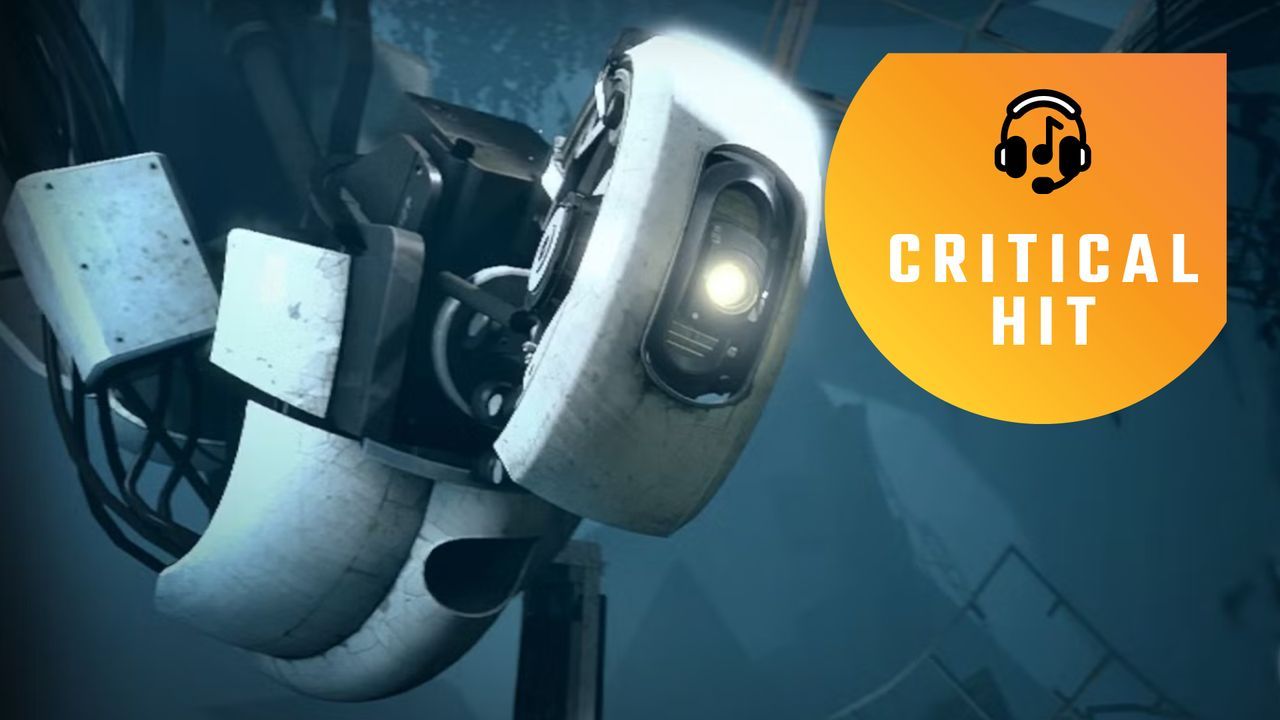
Generative AI has rapidly infiltrated the world of game development, transforming everything from simple assets like thumbnails and textures to the broader concept of how games are conceived. This rapid evolution has sparked a significant cultural debate: are we celebrating this new wave of creation, or are we watching the willing dismantling of human creativity?
The shift is evident across the industry. While some view these AI-generated elements as exciting tools, others view them with genuine apprehension about the erosion of artistic integrity. This tension is most palpable when considering the role of music in gaming.
Music, often the emotional core of a game, is no exception. Although full compositions still largely resist being replaced by generative AI, the technology has already begun making waves through “rearrangements” and new scores circulating on platforms like YouTube, created entirely by large language models. Meanwhile, major music streaming services are grappling with the flood of AI-generated tracks, leading to scrutiny over whether they are allowing artificial content to populate official playlists.
This situation raises a fundamental question for consumers: does knowing that a game’s soundtrack was generated by an algorithm change how we perceive the experience? Do we notice the difference, or is enjoyment of the gameplay enough?
For those who hold music as a deeply cherished art form, the issue shifts from mere novelty to genuine artistic concern. The magic of video game composition lies in the composer’s intent—the nuanced decisions made about melody, instrumentation, and layering that respond dynamically to the in-game situation. This level of intentionality is fundamentally different from content created by an AI that simply scans and regurgitates existing data.
When art is involved, surrendering it to something purely artificial can feel like a profound disappointment. While AI offers powerful new tools for efficiency, the concern remains that generative systems risk cheapening the unique spirit behind a piece of creative work. Ultimately, the conversation requires us to weigh the convenience of automation against the irreplaceable value of human artistry.
Buy on Amazon
Credit
