AI’s test for human stories Dwarf Fortress creator warns
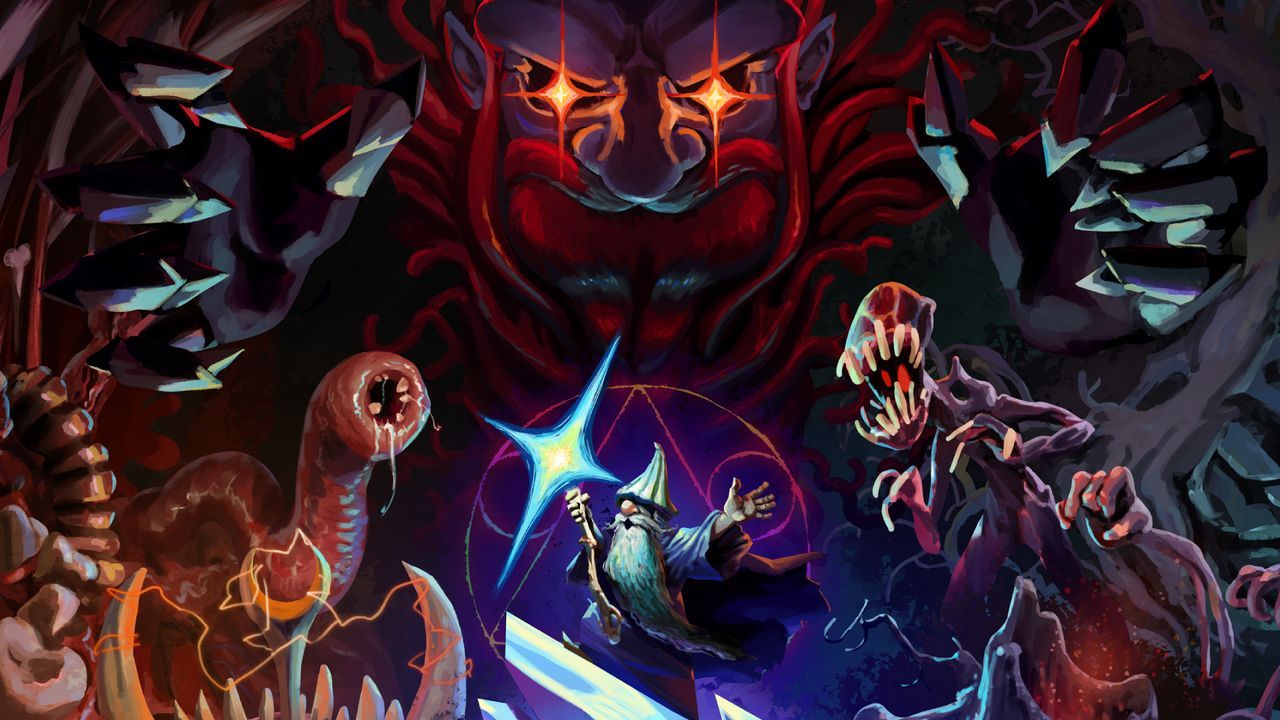
Games like Dwarf Fortress possess an infinite capacity for weaving narratives, demonstrating how procedural generation can create infinitely varied and compelling stories about a gaggle of miners.
Consider the absurdity of a recent discovery: Dwarf Fortress forensic specialists blamed a mysterious case of spontaneous human combustion on a historical artifact that suddenly remembered it was four times hotter than the surface of the sun. This kind of emergent narrative, built purely on complex mechanics, highlights a fascinating point about storytelling.
It begs the question of whether generative AI will be the first advent of infinite storytelling. The answer, perhaps, lies not in the finished product itself, but in providing the tools that allow us to create them.
Co-creator Tarn Adams suggests that the value of a simulation lies in the narrative threads it helps form. If a player experiences a simulation deeply enough—feeling a certain beat or observing a narrative starting to form—they recognize its potential.
When asked why these mechanics-based stories resonate so strongly, Adams points to the fundamental human connection. People connect with stories because they share a basic human experience. The connection is less about pure logic and more about recognizing the “human spark” in the narrative.
This raises a compelling thought regarding the Turing Test. It stops being a simple measure of a computer’s intelligence versus a human’s. Instead, it becomes a test of whether a system can replicate that unique human spark—the worldview, the hopes, and the tastes that define us.
For many, the interest in art, whether visual or written, stems from the feeling that a person has crafted it. The experience of watching someone create something, filled with their personal history, makes the story infinitely more interesting than simply rattling off a list of events.
The humor and wonder of procedural narratives like Dwarf Fortress derive from this very human touch. When random events are framed with intentional, evocative language, they create a shared experience, proving that the deepest stories are rooted in empathy and shared human reality.
Buy on Amazon
Credit