Alcoholic mutants conquer Florida in Afterworld
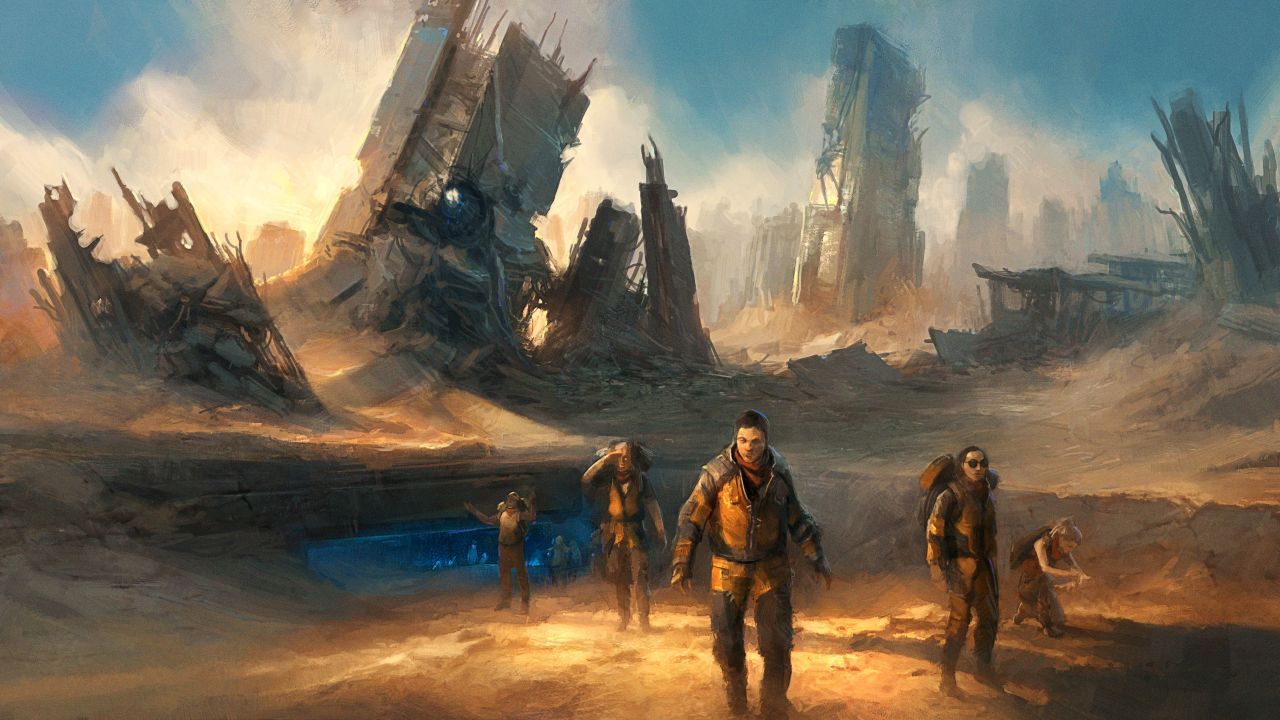
When Paradox Development Studio decided to tackle the post-apocalypse, they didn’t just offer another grim setting; they gave us a grand, ludicrous sandbox. With Afterworld/” target=”blank“>Afterworld transforms the end times into an elaborate playground where you can forge any apocalypse you desire—whether that means leading a band of mutant cannibals or carving out a new American empire.
Playing this ambitious behemoth has been less about surviving and more about sheer, unadulterated chaos. From making a crew of alcoholic road warriors and conquering Florida to embracing the religion of the highway, the possibilities are endless. This is a game where the rules are flexible, and the results are gloriously unpredictable.
The game immediately throws you into the thick of the North American wasteland as a band of survivors. Unlike some grand strategy titles, Afterworld/” target=”blank“>Afterworld lets you define your origins, perhaps starting as desperate vault dwellers, where your survival hinges on how your group handles food riots and determines whether you aim to rebuild America or simply dominate what remains.
But the true brilliance of the sandbox lies in the complexity of the mechanics. Warfare isn’t just about brute force; it’s about logistics. You must manage manufacturing supply chains, build vehicles, and constantly hunt for fuel and ammunition. This evolution of the Hearts of Iron 4 model means that building and maintaining a powerful force feels like a genuine achievement, rewarding players who master the economics of war.
Beyond the battlefield, managing your tribe becomes a fascinating layer of complexity. You are not just a single group; you are a collection of independent bands, each with unique characters, beliefs, and skills. You must juggle population management, assigning roles and territory, deciding where to place a green-thumbed farmer, and navigating the delicate friction caused by diverse faith systems within your community.
The political drama intensifies when you clash with powerful dominions, ruled by immortal figures who simply want to rebuild. When you refuse to bow down to the local authority, war is inevitable. This often spirals into epic civil wars, where you decide whether to fight or merely steamroll your foes with mechanized armies. It’s a chaotic dance of power, where you can be a ruthless tyrant or a clever manipulator.
What makes Afterworld/” target=”blank“>Afterworld stand out is its pace. You can go from a struggling tribe to a burgeoning empire in a weekend. This rapid pacing, combined with the randomness of exploration, means that your tribe’s warriors can suddenly be equipped with plasma guns and mechs while you are still figuring out the game’s basics. It’s a wonderful sense of emergent storytelling.
While the interface and onboarding are still evolving—leaving room for growth—the underlying systems, particularly the dynamic tech tree driven by exploration, prove incredibly exciting. Discovering new ideas by encountering rivers or other tribes makes learning the game an organic, organic process. Afterworld/” target=”blank“>Afterworld offers a stunningly ambitious approach to grand strategy, proving that when you mix deep logistics with limitless freedom, the resulting experience is anything but boring.
Buy on Amazon
Credit